
A custom protein powder can help a supplement brand create a product that fits a specific market, nutritional target or flavor concept. However, a formula must balance ingredient specifications, taste, mixability, packaging and commercial cost.
The most efficient approach is to turn the product idea into a structured development brief before sampling.
1. Define the product objective
Start with the basic requirements:
- Target consumer and destination market
- Protein source
- Protein grams per serving
- Serving size and net weight
- Flavor and sweetness preference
- Packaging format
- Target cost and estimated order quantity
These details help determine whether the project should use an existing formula, a formula adjustment or custom development.
2. Select the protein source
Common options include whey protein concentrate, whey protein isolate, hydrolyzed whey, milk protein, casein and plant-based proteins such as pea, rice or soy.
Each ingredient has its own protein content, amino acid profile, taste, solubility, allergen considerations and cost. Request current technical data before choosing.
3. Set a realistic protein target
Specify protein per serving and protein per 100 g. The finished-product percentage depends on the purity and proportion of protein ingredients as well as the amount of flavoring, sweeteners, cocoa and other non-protein ingredients.
A theoretical calculation is useful during development, but the final nutrition declaration should be supported by an appropriate finished-product analysis.
4. Develop flavor and sweetness
Chocolate, vanilla, strawberry, banana, coffee and cookies-and-cream are common flavor directions. The right flavor system depends on the protein base.
Sweetener options may include sucralose, stevia, monk fruit or other ingredients permitted in the destination market. Each option has a different sweetness profile and potential aftertaste.
Evaluate the flavor in the complete formula rather than judging the flavor ingredient on its own.
5. Optimize texture and mixability
A protein powder should be evaluated for:
- Dispersibility in the recommended liquid
- Foam formation
- Clumping
- Viscosity
- Mouthfeel
- Powder flow and handling
Ingredient particle size, instantization, emulsifiers and the overall formula can influence these properties. Any processing aid or additive must be suitable for the product and market.
6. Use a controlled sample process
A useful sample workflow is:
- Confirm raw material specifications.
- Prepare a preliminary formula.
- Produce a laboratory or pilot sample where feasible.
- Test the intended serving size and preparation method.
- Record sensory and mixability feedback.
- Adjust one or more variables at a time.
- Confirm the final formula and specification.
Keep version numbers and sample records so that the approved formula can be reproduced.
7. Plan packaging and storage
Protein powders can be sensitive to moisture. Packaging should be selected with attention to barrier properties, closure, seal integrity, storage conditions and shipping.
Tubs, pouches and sachets each have different commercial and operational considerations.
8. Verify the finished product
The quality plan should be agreed before production. Depending on the formula and destination market, it may include identity, protein content, moisture, microbiological parameters, allergen information and other risk-based tests.
Confirm which tests are performed on raw materials and which are performed on finished goods.
9. Prepare your development brief
For a useful first discussion, send the target protein source, protein grams per serving, flavor, serving size, packaging, market and estimated order quantity.
Start a custom protein powder project
Silkroad Lanting Biotech supports supplement product development, OEM/ODM cooperation and customized packaging discussions for overseas brands.
Explore our Whey Protein Powder OEM/ODM page or request a product development discussion.
*Formula feasibility, ingredient sourcing, testing and labeling must be confirmed for each individual project.*
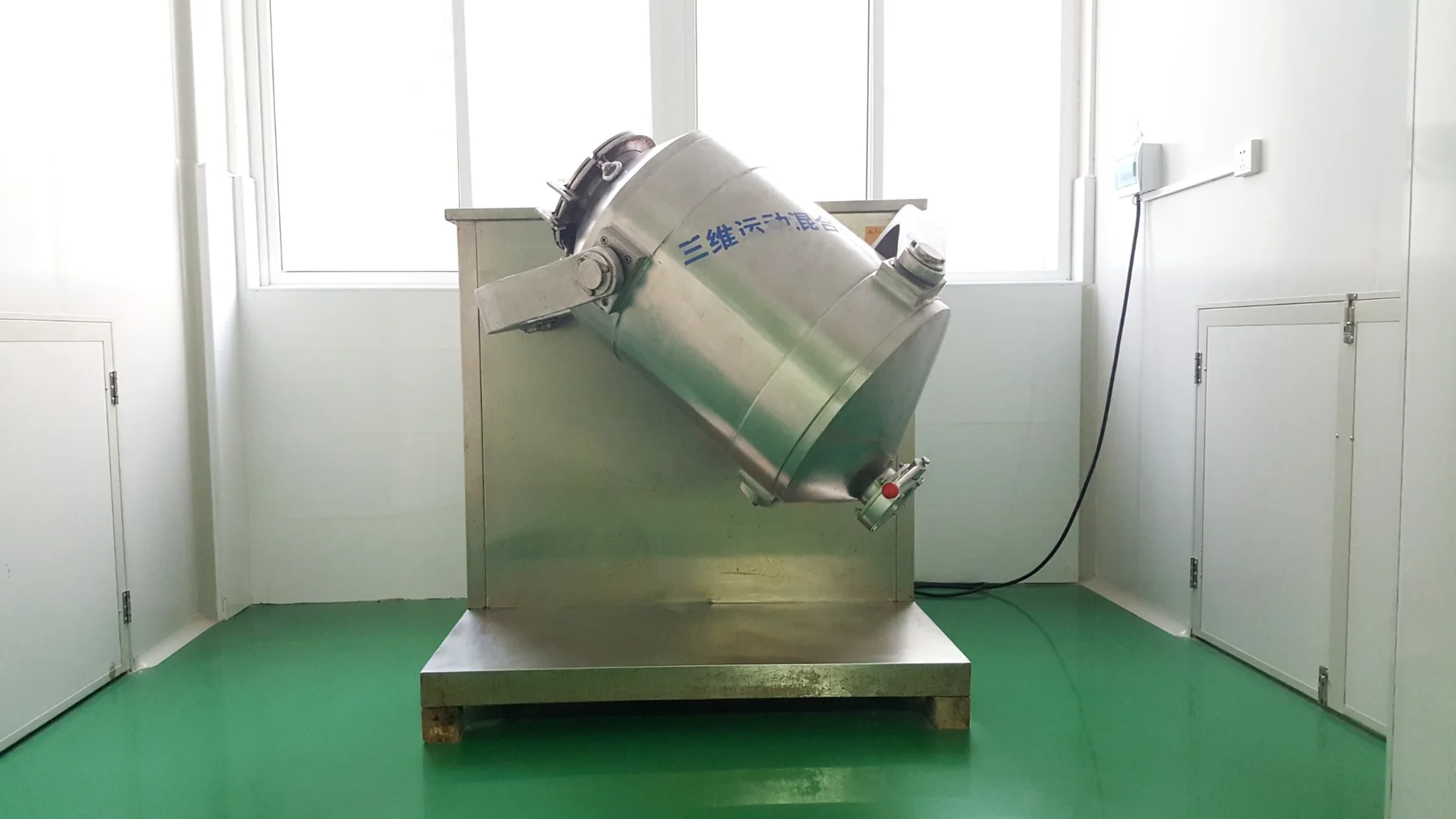
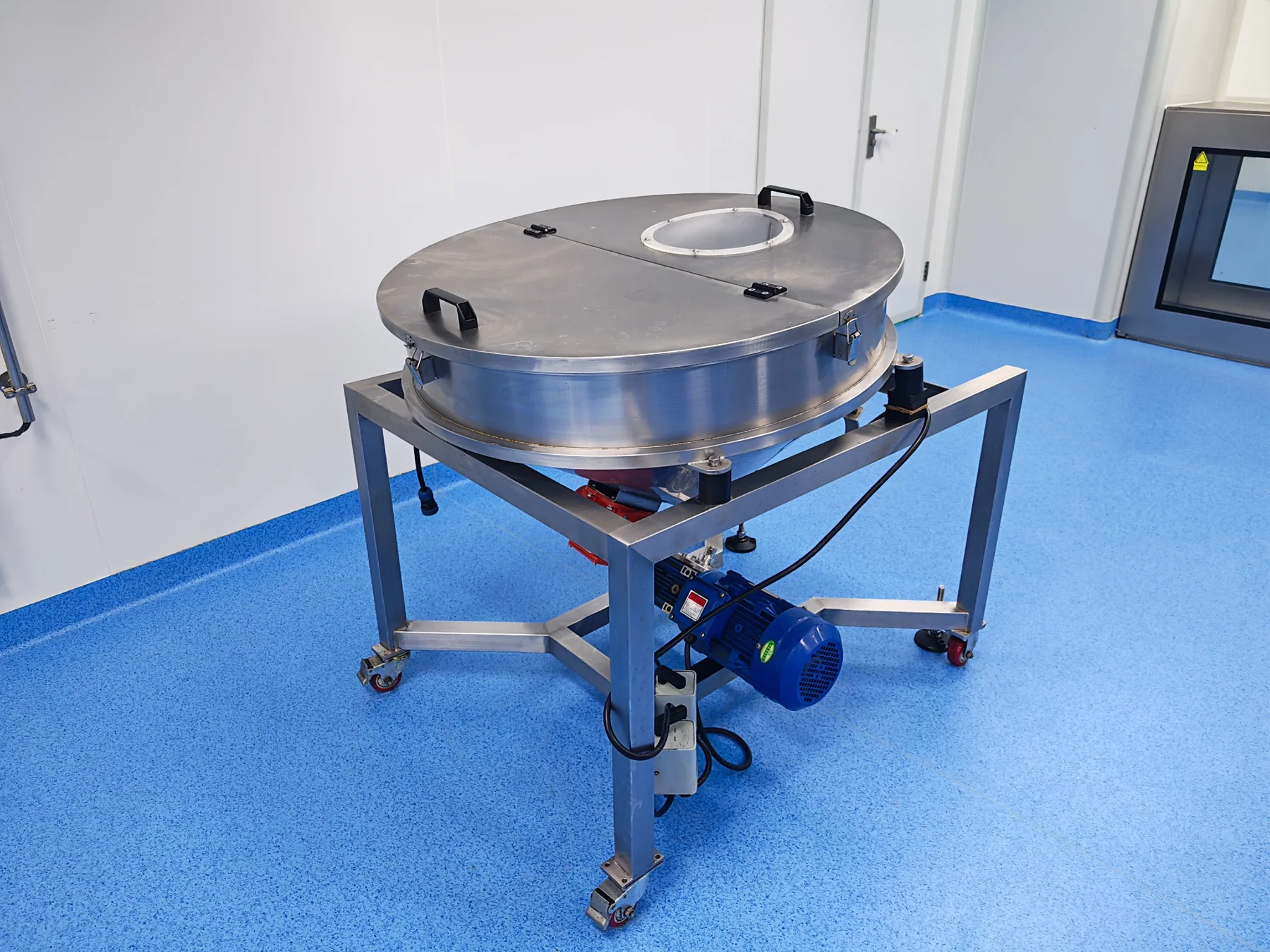
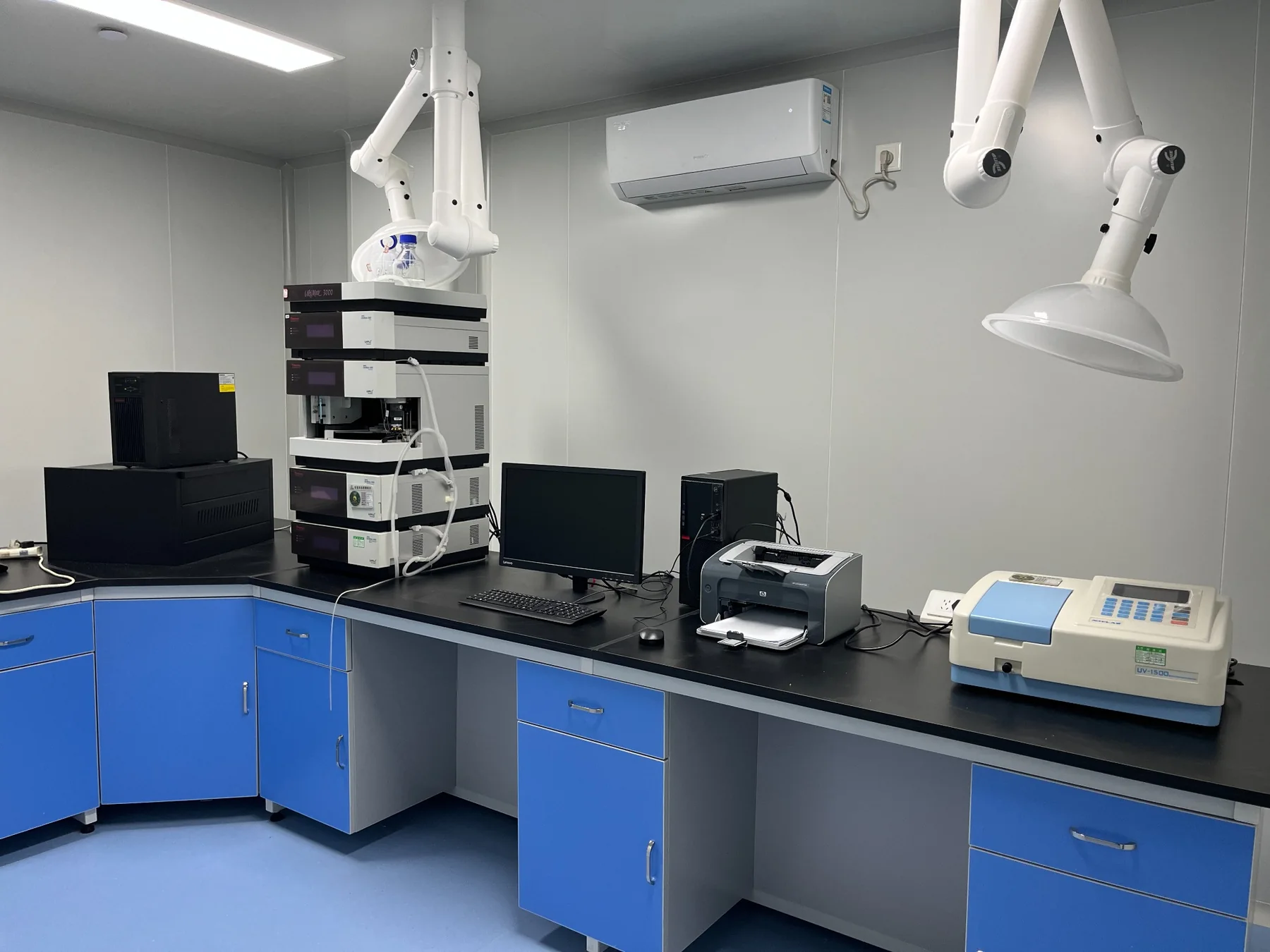
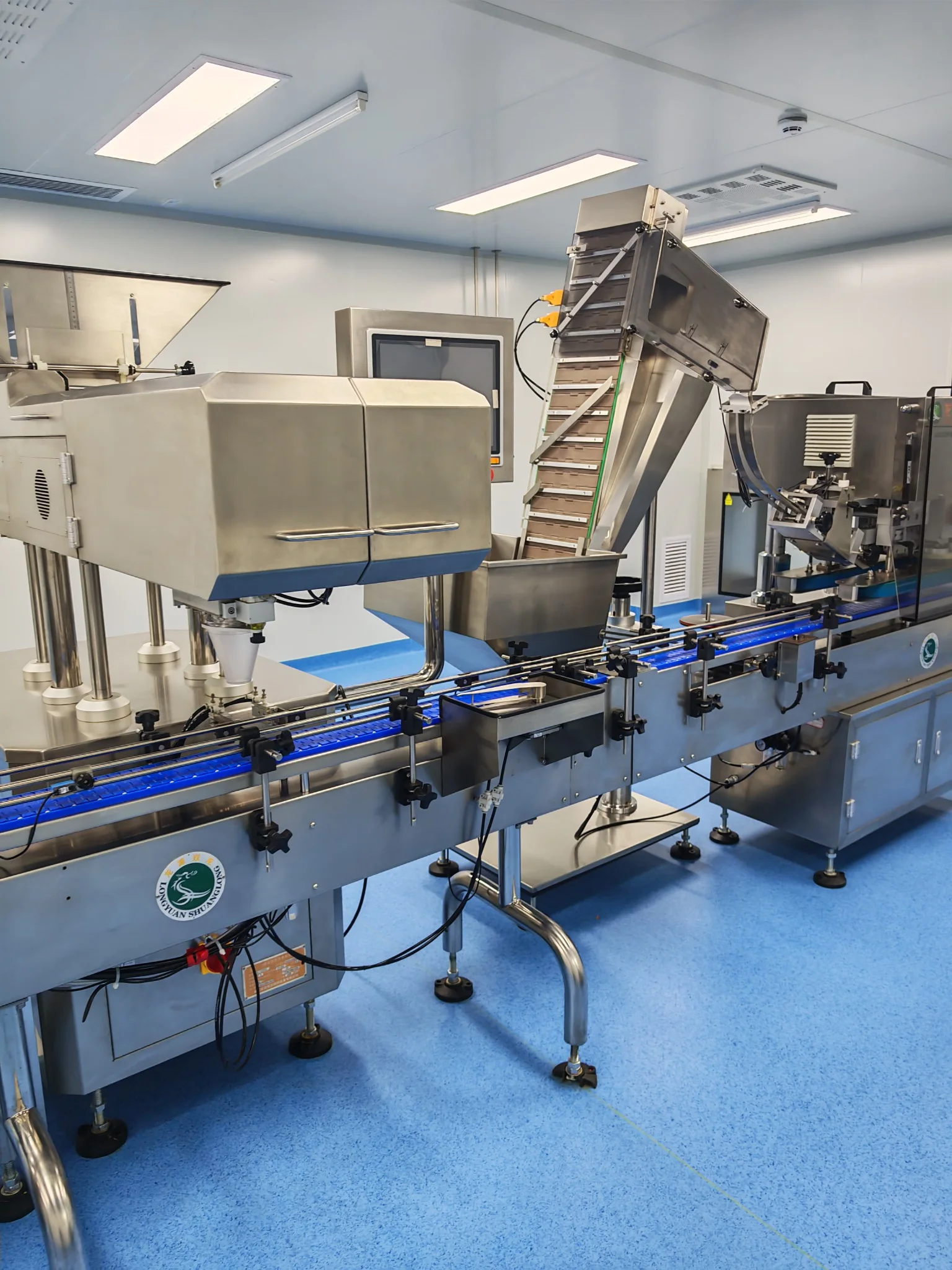
Manufacturing backed by a real production team.
These photos were supplied by SILKROAD LANTING and show our real factory environment. We use real facility evidence so buyers can verify the manufacturing team behind the product-development discussion.
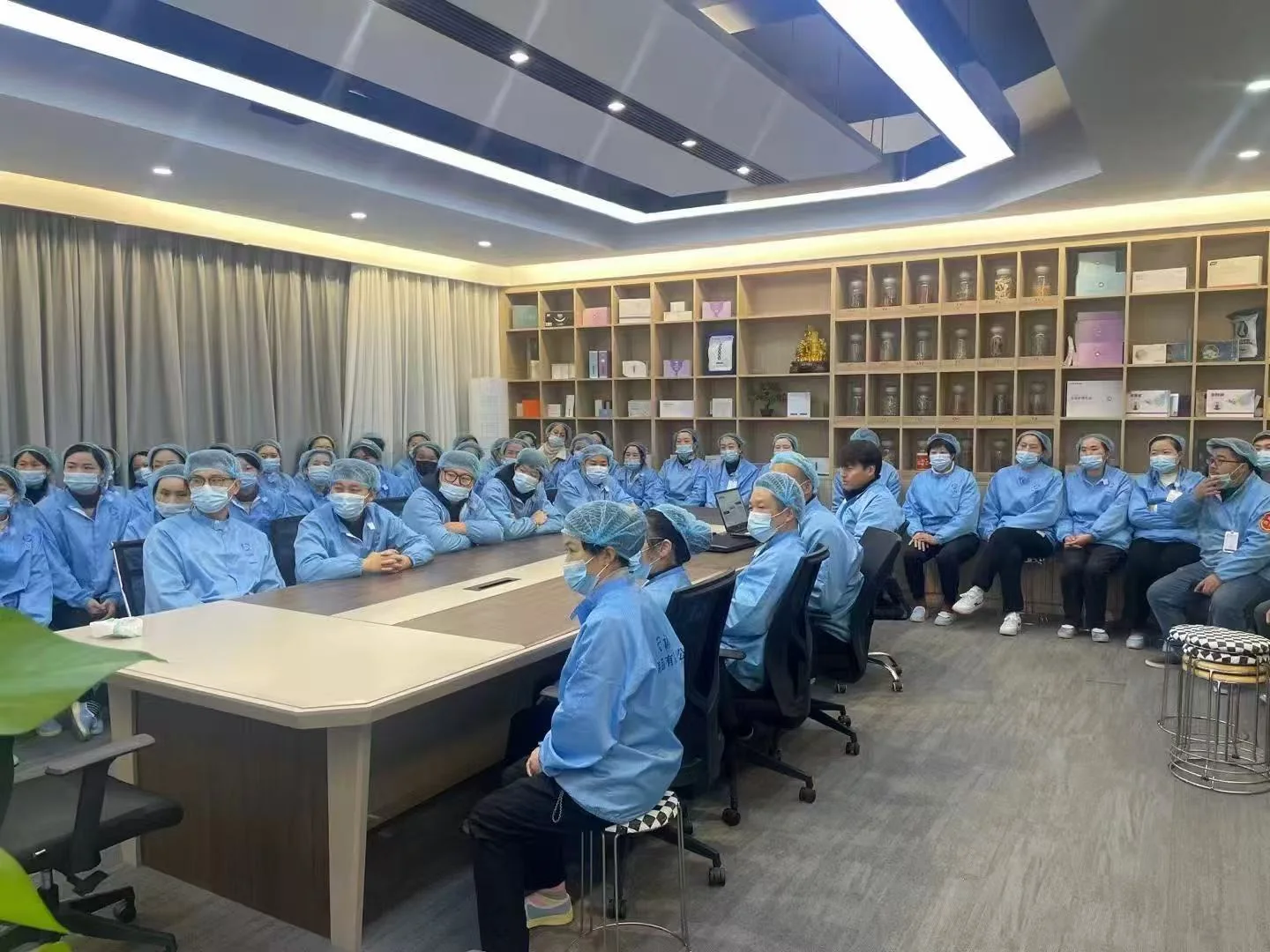
Start from a real product, then customize if needed.
Our published catalog contains current products for sampling and private-label discussions. Open a product to review the dosage form, health direction and B2B options.
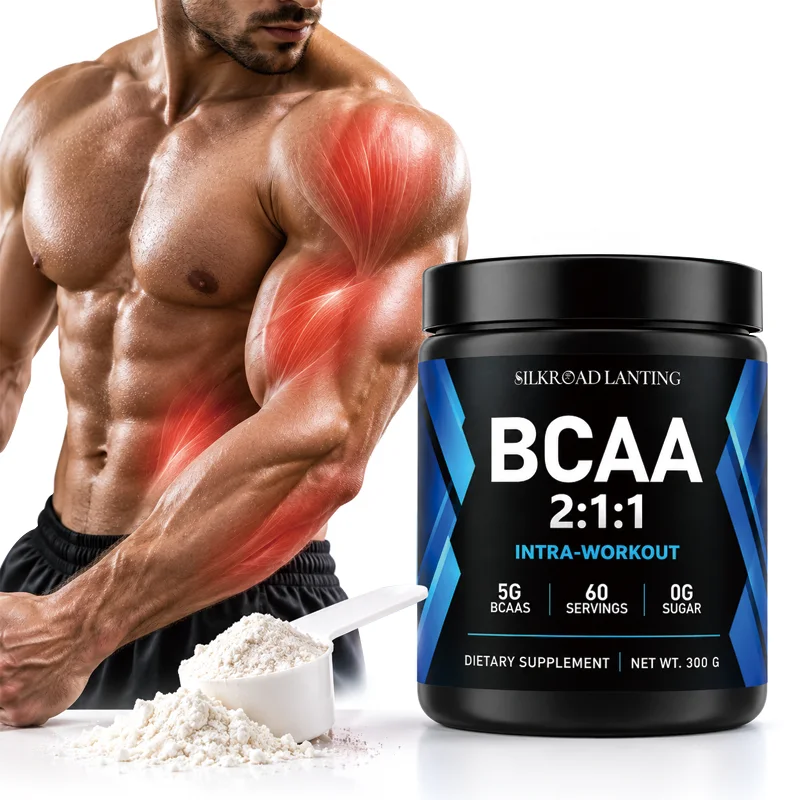
BCAA 2:1:1 Intra-Workout
View product →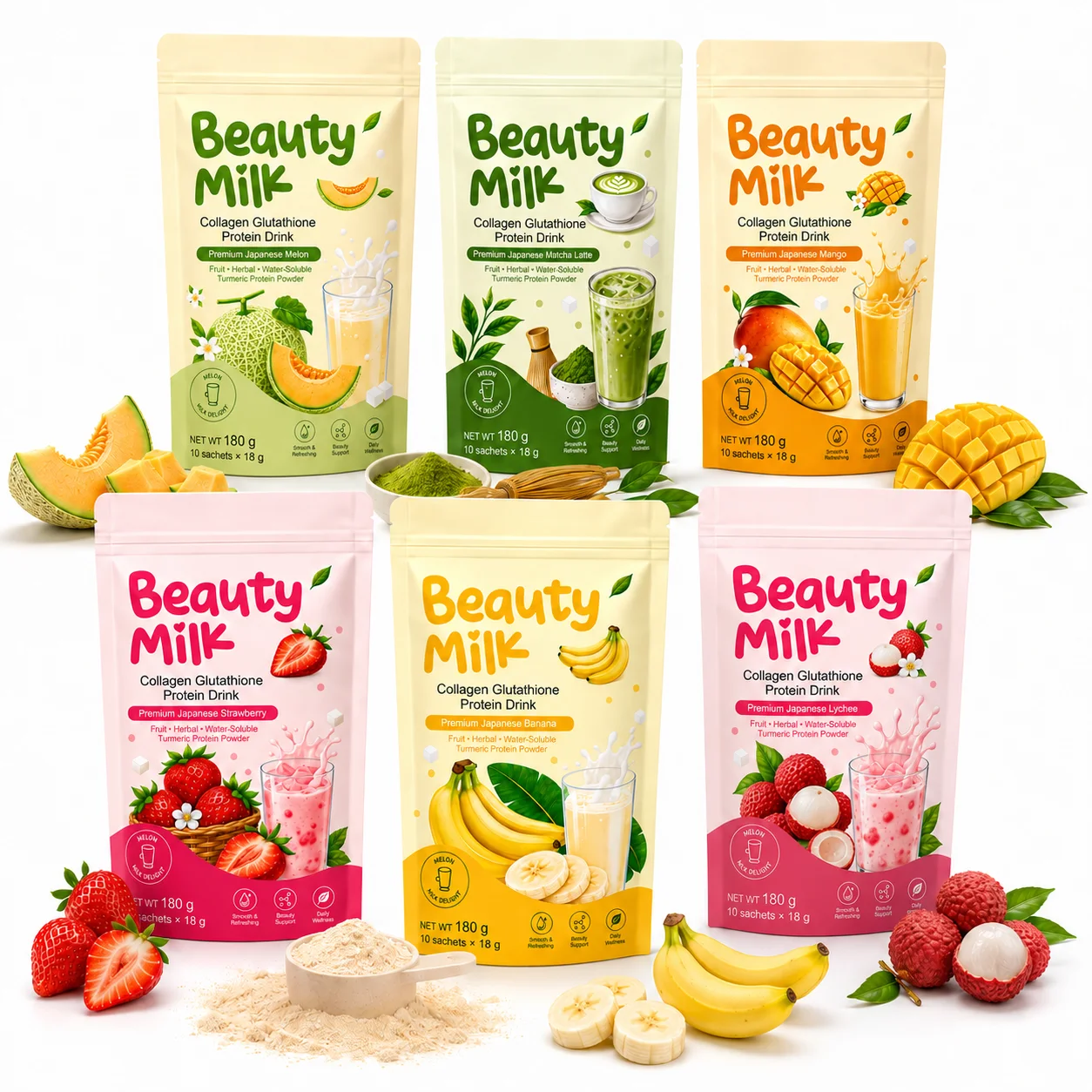
Beauty Milkshake Powder
Multi-Flavor Beauty Milkshake Powder offers a smooth and enjoyable milkshake experience for breakfast, afternoon refreshment, or everyday self-care routines.
View product →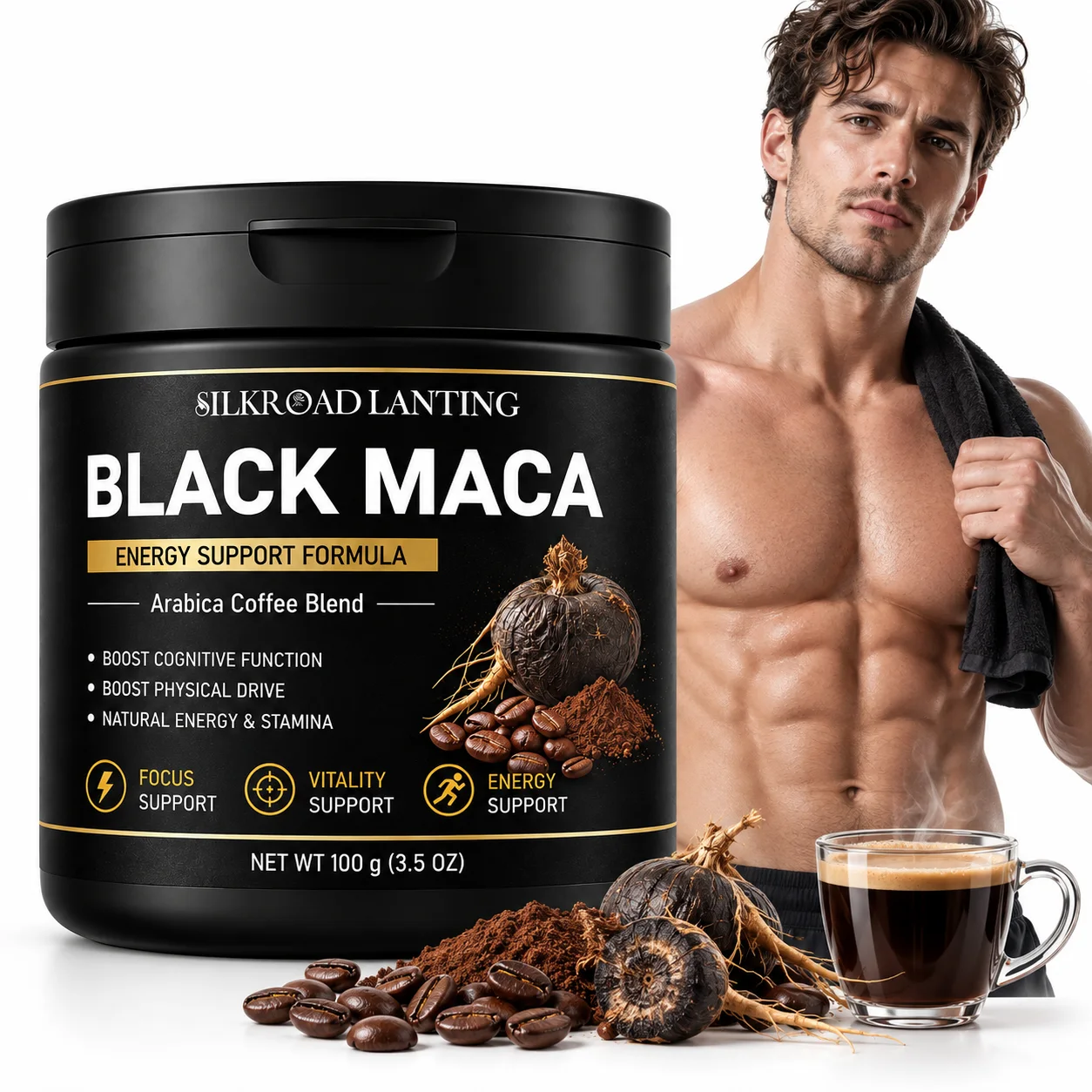
Black Maca Energy Coffee Powder
A functional coffee powder concept combining beverage positioning with botanicals.
View product →Request a sample and calculate your product cost.
Send the product name or reference, target market, estimated quantity and packaging idea. We can discuss a stock formula, formula adjustment or custom R&D route, then confirm sampling and manufacturing cost.