
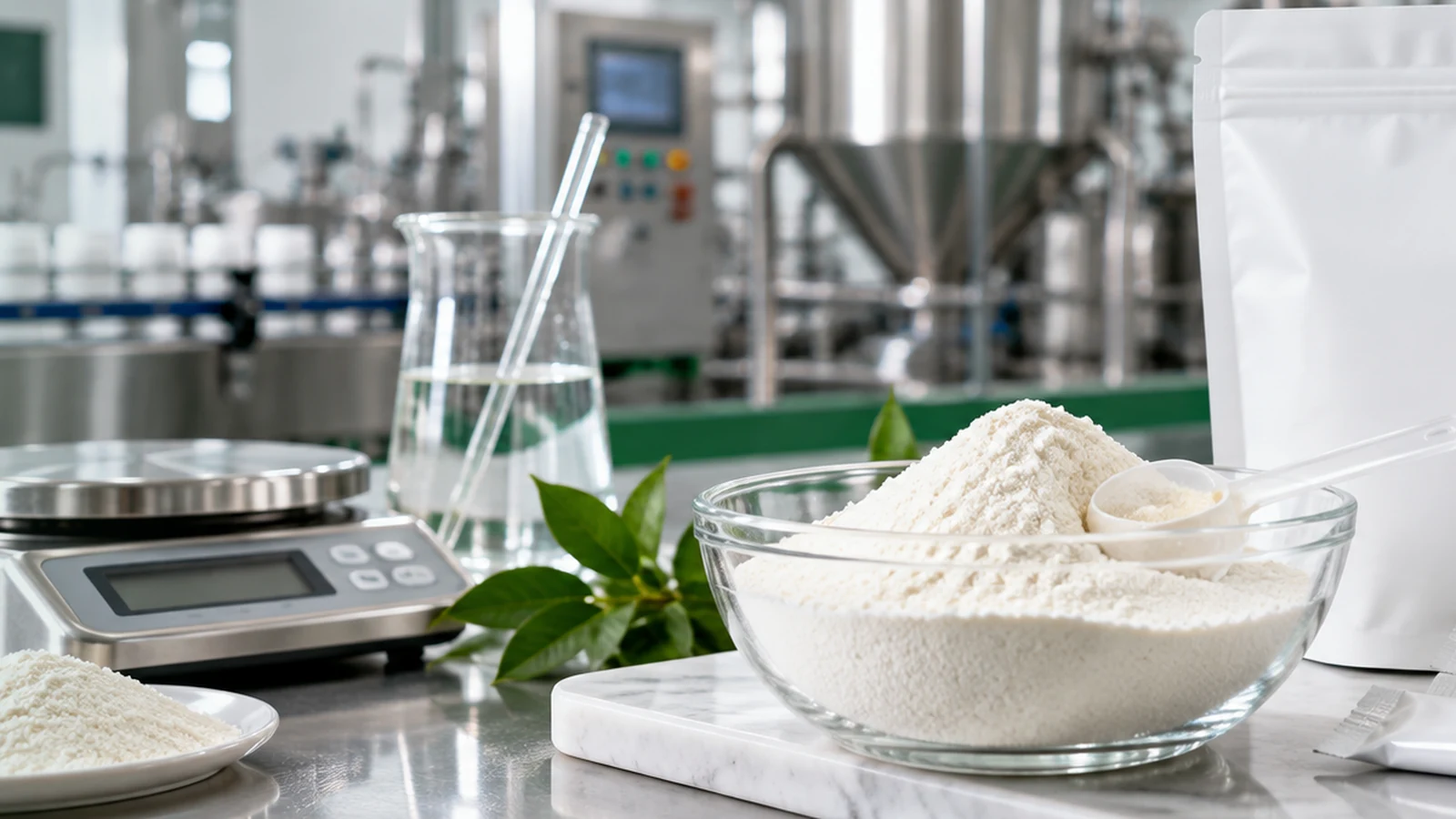
A supplement formula should begin with a customer and use case, not a random list of popular ingredients.
The R&D process turns the commercial idea into a formula that can fit the dosage form, serving size, cost target and production process.
Step 1: define the target consumer
Start with:
- Who is the product for?
- What routine will it fit into?
- What dosage form will they accept?
- What is the target retail price?
- Which market will the product enter?
These questions shape the formula.
Step 2: define the product objective carefully
The formula direction should support the intended positioning without relying on inappropriate medical claims.
For U.S. dietary supplements, FDA distinguishes structure/function claims from disease claims. FDA structure/function claims
The formula and marketing plan should be reviewed together.
Step 3: choose dosage form
The same ingredients can behave very differently in:
- Capsules
- Tablets
- Gummies
- Powders
- Softgels
- Liquids
- Tea
- Specialty formats
The dosage form creates physical limits for ingredient load, serving size and sensory properties.
Step 4: build the formula architecture
The R&D team reviews:
- Primary active ingredients
- Supporting ingredients
- Serving size
- Compatibility
- Physical fit
- Flavor or sensory needs
- Cost
The goal is a coherent formula, not the longest ingredient list.
Step 5: check manufacturing feasibility
A formula has to work with real equipment and materials.
Questions include:
- Will the powder flow?
- Will the capsule fill volume work?
- Is the tablet too large?
- Is the gummy active load realistic?
- Will the drink taste acceptable?
- Does the serving fit the package?
These questions are easier to solve before sampling.
Step 6: make a lab sample
The sample allows the buyer to evaluate the physical product.
Qualified B2B projects can discuss free sample support with our team.
Feedback may cover taste, texture, color, size, aroma or mixability.
Step 7: cost engineering
Formula development should stay connected to the commercial target.
If cost is too high, options may include:
- Adjust serving size
- Simplify ingredient system
- Use a different dosage form
- Change packaging
- Start from an existing formula
The goal is to protect the product concept while making the project commercially realistic.
Step 8: testing and documentation
Testing requirements are defined according to product and destination market. Additional third-party testing can be coordinated when needed.
Step 9: lock the production specification
Before manufacturing, confirm:
- Formula
- Serving size
- Dosage form
- Pack size
- Packaging
- Artwork
- Quantity
- Testing scope
This becomes the manufacturing reference.
Formula library + custom development
We maintain formula references across multiple product categories. That means a buyer can start from an existing direction rather than always beginning from zero.
Sometimes the smartest “custom formula” is a well-chosen existing platform with targeted adjustments.
See our R&D and sample development page.
Send your product idea to Nina@siroad.net or WhatsApp.
Start from a real product, then customize if needed.
Our published catalog contains current products for sampling and private-label discussions. Open a product to review the dosage form, health direction and B2B options.
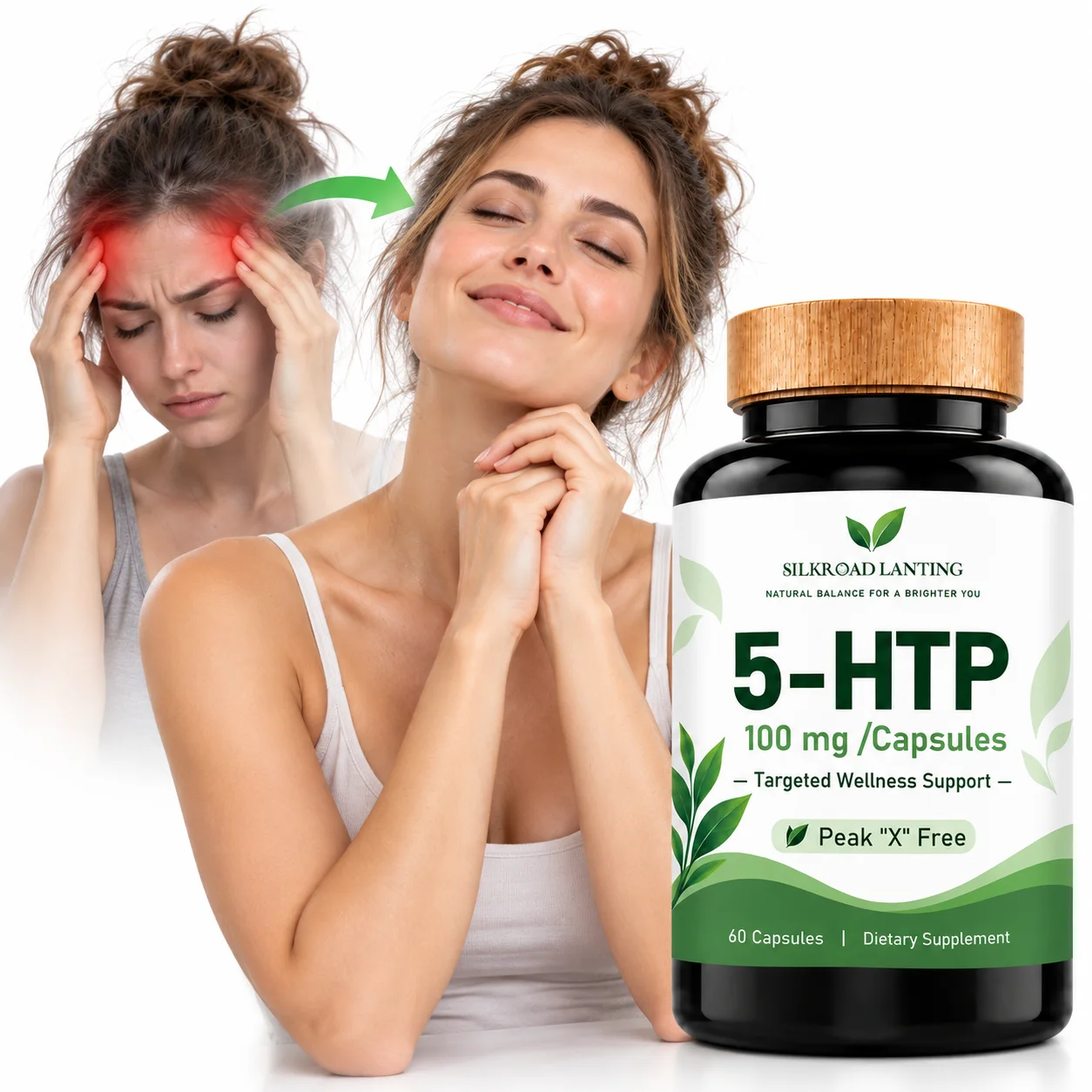
5-Hydroxytryptophan Capsules
5-HTP (5-Hydroxytryptophan) Capsules feature a plant-based formula labeled with 100 mg of 5-HTP per capsule, supporting everyday mood balance, relaxation, and sleep wellness.
View product →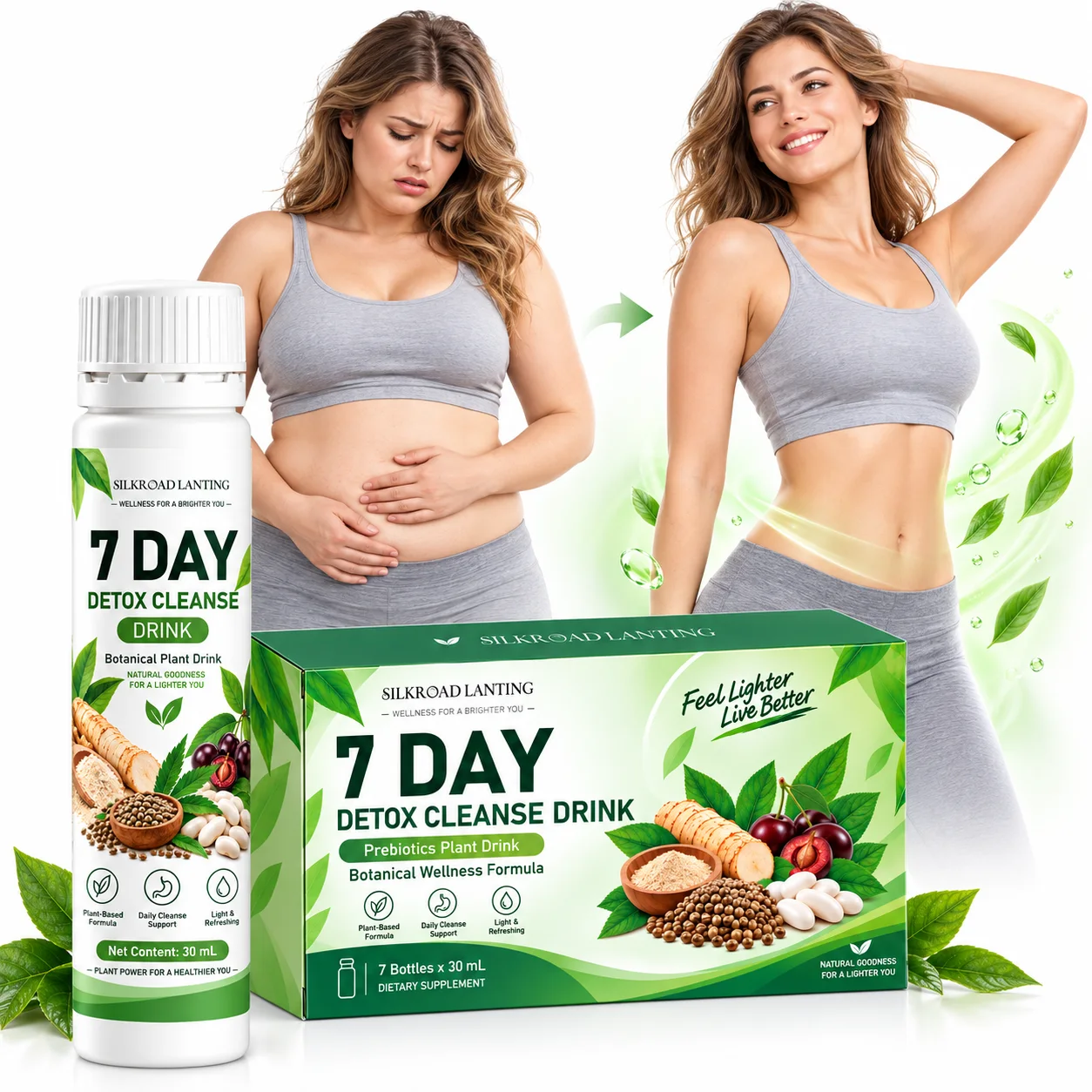
7-Day Botanical Wellness Drink
A multi-day botanical beverage concept for custom wellness projects.
View product →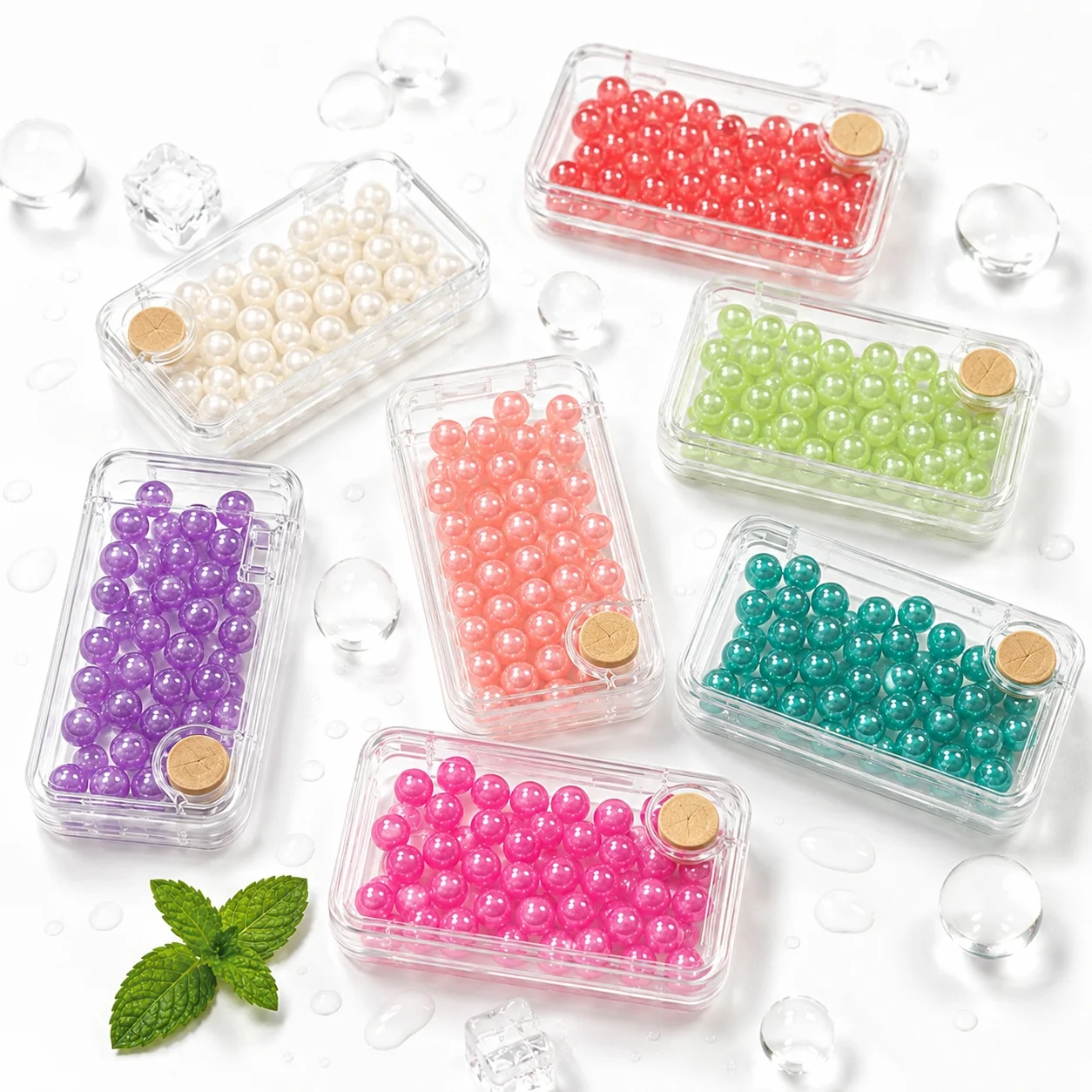
7-Flavor Burst Gum Collection
Enjoy a refreshing chew with a flavorful burst in every piece. With seven colorful varieties to explore, this portable gum collection adds fun to everyday moments.
View product →Request a sample and calculate your product cost.
Send the product name or reference, target market, estimated quantity and packaging idea. We can discuss a stock formula, formula adjustment or custom R&D route, then confirm sampling and manufacturing cost.