
A custom supplement project begins before the production line. The first job is to turn a commercial idea into a specification that can actually be manufactured.
That requires cooperation between product development, R&D, sourcing, packaging and manufacturing.
Start with the commercial brief
A buyer does not need a complete formula to begin.
A useful brief can be as simple as:
- Target consumer
- Target market
- Health direction
- Preferred dosage form
- Ingredient ideas
- Reference product
- Estimated quantity
- Target price
- Packaging concept
The manufacturer can then identify what is already defined and what requires development.
Formula development is a series of decisions
A custom formula is not only an ingredient list.
The R&D discussion may include:
- Serving size
- Active ingredient level
- Supporting ingredients
- Capsule or tablet size
- Powder flavor and sweetness
- Liquid or gummy sensory profile
- Ingredient compatibility
- Manufacturing feasibility
A formula that looks attractive in marketing copy still has to fit a practical dosage form and pack size.
Dosage form should be selected early
Capsules, tablets, gummies, powders, softgels, liquids and specialty formats have different technical limits.
For example, a high ingredient load may not fit comfortably into one capsule. A powder may need flavor work. A gummy may have limits on how much active material can be loaded without affecting texture.
Choosing format early prevents unnecessary reformulation later.
Lab and R&D support before production
SILKROAD LANTING uses lab and R&D support to review formula direction and prepare development samples before larger-scale production.
The goal is to identify problems when they are still inexpensive to change.
See our R&D and sampling process.
Sample development
The sample stage turns the formula into something the buyer can review.
Depending on the product, sample feedback may cover:
- Flavor
- Color
- Aroma
- Texture
- Tablet/capsule size
- Powder mixability
- Fill volume
- Packaging fit
Qualified B2B projects can discuss free sample support before production.
Cost engineering
Custom does not mean cost is ignored.
The development team should evaluate how formula decisions affect:
- Raw material cost
- Serving size
- Dosage-form processing
- Packaging
- Testing
- MOQ
- Freight weight
If the first concept is too expensive, the formula or packaging can be adjusted before production.
Testing and documentation
Testing scope depends on product type and destination market.
For U.S. dietary supplements, FDA’s CGMP framework includes requirements relating to specifications, quality control and documentation. FDA dietary supplement CGMP guide
Additional third-party testing can be coordinated when required by the customer, retailer, market or product specification.
Packaging comes before final cost approval
Bottle, pouch, stick pack, sachet and carton choices can materially change project cost and MOQ.
A custom formula should not be approved in isolation from the packaging route.
Production handoff
Before production, the final handoff should confirm:
- Formula
- Dosage form
- Serving size
- Pack count
- Packaging
- Artwork
- Quantity
- Testing scope
- Delivery requirements
This reduces ambiguity once production begins.
From idea to production partner
A useful custom manufacturer does more than execute a recipe. It helps the buyer make decisions in the right order.
SILKROAD LANTING supports formula discussion, sampling, cost calculation, packaging and OEM/ODM manufacturing.
Send us your reference product or product idea and we can recommend the next development step.
Contact Nina@siroad.net or WhatsApp +86 132 0185 2373.
Start from a real product, then customize if needed.
Our published catalog contains current products for sampling and private-label discussions. Open a product to review the dosage form, health direction and B2B options.
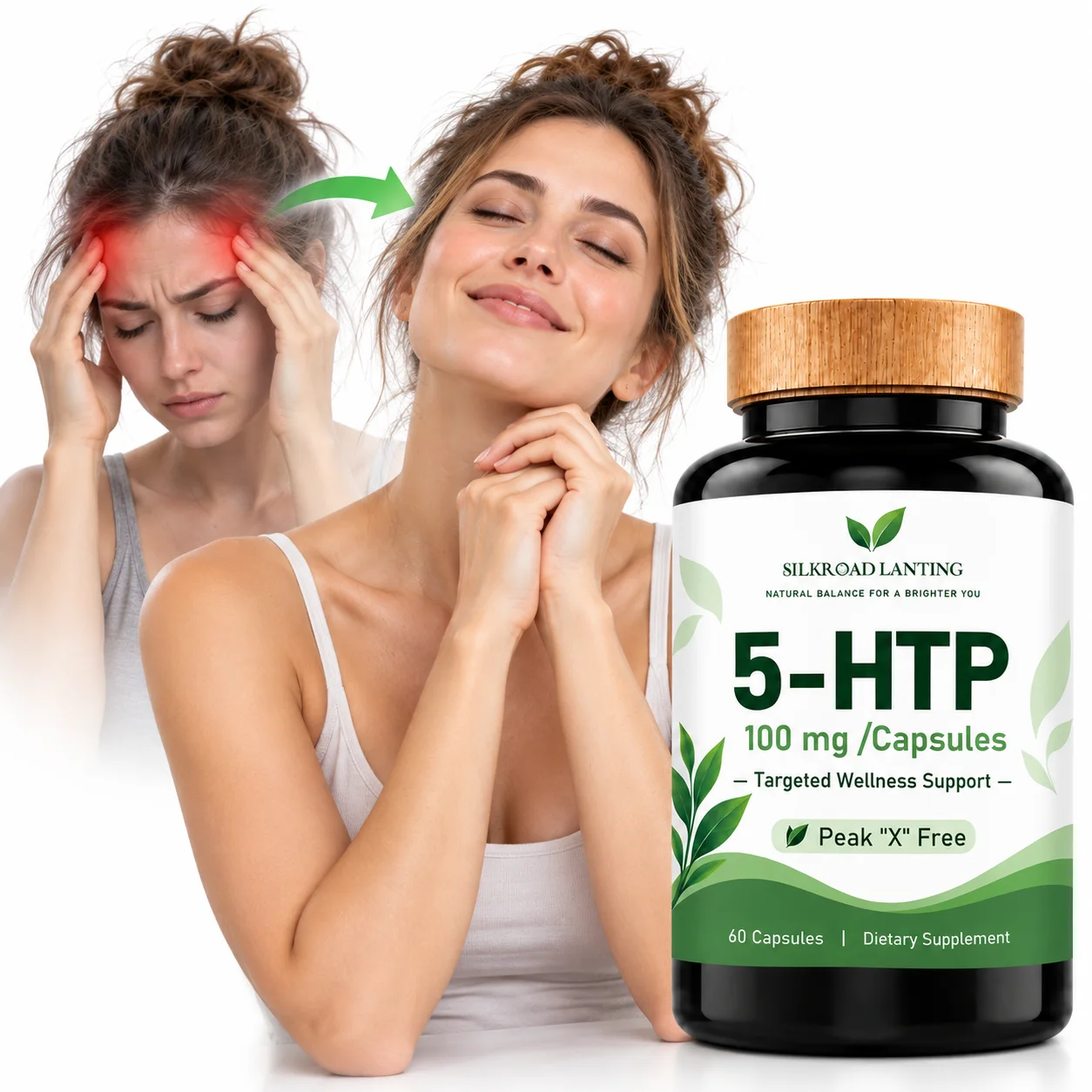
5-Hydroxytryptophan Capsules
5-HTP (5-Hydroxytryptophan) Capsules feature a plant-based formula labeled with 100 mg of 5-HTP per capsule, supporting everyday mood balance, relaxation, and sleep wellness.
View product →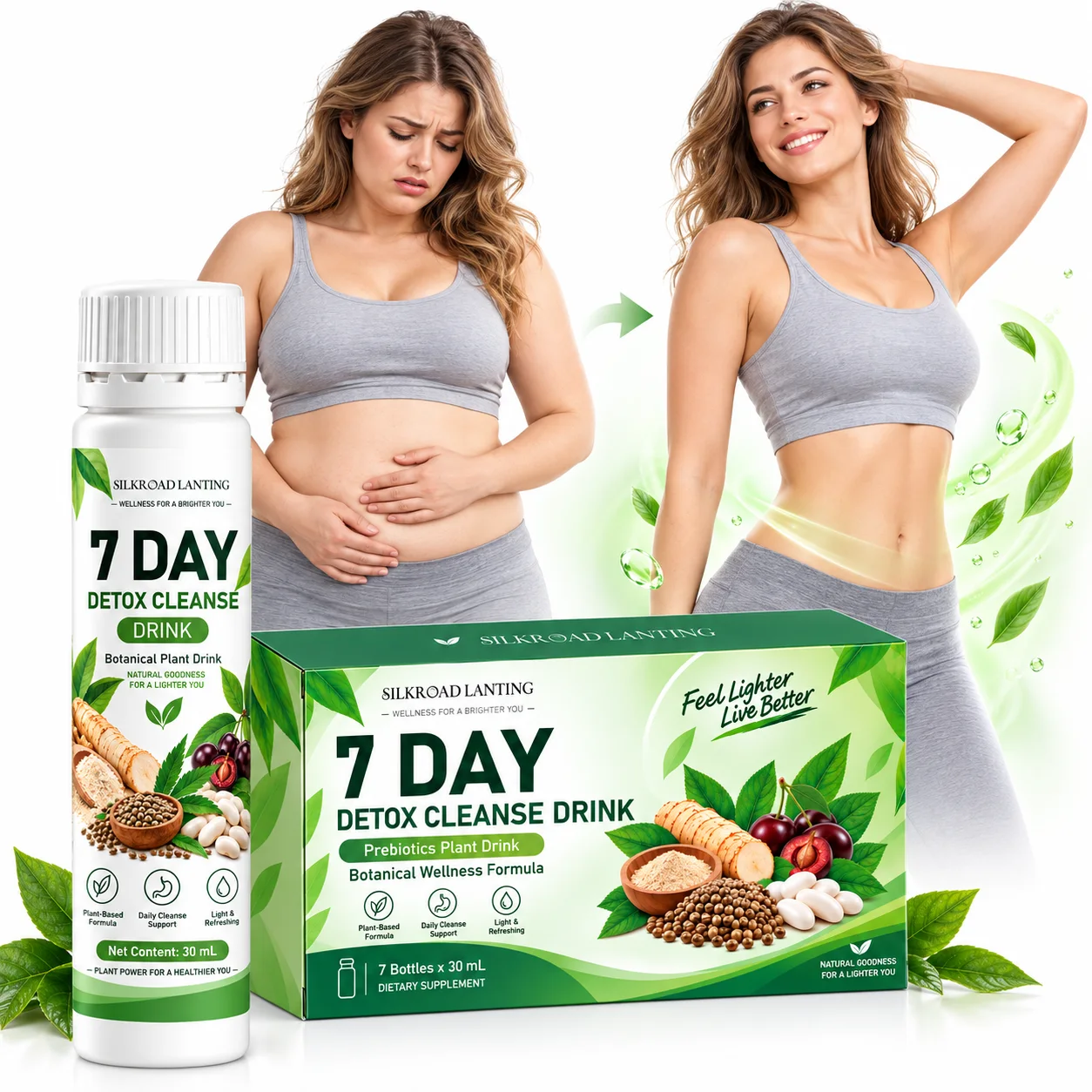
7-Day Botanical Wellness Drink
A multi-day botanical beverage concept for custom wellness projects.
View product →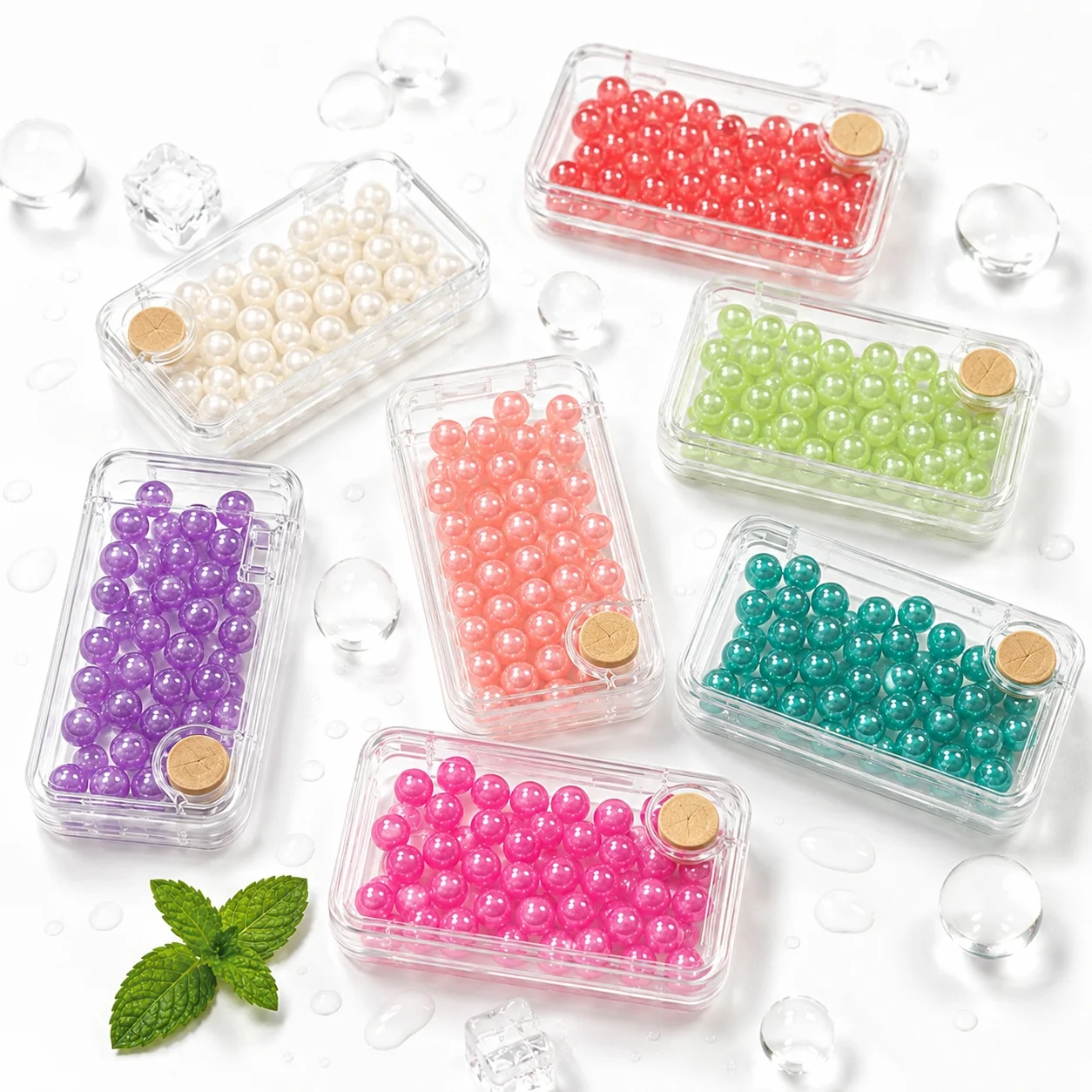
7-Flavor Burst Gum Collection
Enjoy a refreshing chew with a flavorful burst in every piece. With seven colorful varieties to explore, this portable gum collection adds fun to everyday moments.
View product →Request a sample and calculate your product cost.
Send the product name or reference, target market, estimated quantity and packaging idea. We can discuss a stock formula, formula adjustment or custom R&D route, then confirm sampling and manufacturing cost.