

GLP-1 therapies are changing the weight-management landscape and creating a new product-development question for nutrition brands: how should a wellness portfolio respond when consumers are eating differently?
This is not a question about replacing medication or treating medication side effects with supplements. It is a question about designing practical nutrition products around changing consumer routines.
A 2025 joint advisory from major nutrition, lifestyle medicine and obesity organizations highlighted nutrition priorities during GLP-1 therapy, including preventing nutrient deficiencies and supporting muscle and bone through appropriate diet and lifestyle. PubMed: Nutritional priorities to support GLP-1 therapy
Start with nutrition density
When total food intake changes, product developers should think carefully about nutrition density rather than simply adding more “weight management” ingredients.
A commercially useful portfolio may consider several distinct needs:
- Protein and amino-acid nutrition
- Hydration and electrolytes
- Fiber and digestive wellness
- Daily micronutrient coverage
- Convenient small-serving formats
These are separate product-development directions, not a single formula.
Protein-focused formats
Protein powders, clear protein beverages and single-serve stick packs can fit consumers who want to add protein without a large meal format.
For a B2B project, decisions include protein source, serving size, flavor, texture, sweetener system and packaging.
The product should be positioned as nutritional support rather than as a claim to preserve muscle in every GLP-1 user.
Hydration and electrolyte products
Hydration can be developed through powders, stick packs, effervescent tablets or ready-to-drink formats.
Commercial differentiation may come from flavor profile, serving size, sugar system, mineral balance and portability.
Any claim language should be reviewed for the target market.
Fiber and digestive wellness
Fiber powders, capsules and selected gummy formats can be considered as part of a broader digestive wellness portfolio.
Product developers should evaluate ingredient tolerance, serving size and consumer routine. High-fiber formulas may not fit every dosage form.
Micronutrient support
A daily micronutrient product can be developed in capsules, tablets, gummies, powders or liquids depending on the target user and formula.
The formulation should be based on the intended product concept, not on an assumption that every GLP-1 user has the same deficiency.
Smaller serving formats may matter more
A useful design principle for this consumer group may be convenience and manageable serving size.
This can make formats such as stick packs, small powders, capsules, liquids or compact daily packs commercially interesting.
Build a system instead of one “GLP-1 supplement”
From a brand-development perspective, the stronger opportunity may be a small product system rather than one product attempting to solve every need.
For example:
- Daily nutrition product
- Protein or amino-acid product
- Hydration product
- Fiber or digestive wellness product
Each SKU can have a clear purpose and format.
Claims require extra care
GLP-1 is closely associated with prescription therapies, so supplement marketing needs careful legal and regulatory review. FDA guidance explains that dietary supplement claims cannot state or imply that a supplement diagnoses, treats, cures or prevents disease, and claims that imply augmentation of a drug therapy can create disease-claim concerns. FDA structure/function claims guidance
For this reason, the product-development conversation should focus on nutritional positioning, format and consumer routine—not promises about medication outcomes.
The B2B opportunity is a health solution
The strategic value of this category is not simply adding “GLP-1” to a label. It is understanding a changing consumer context and building a coordinated nutrition portfolio around it.
SILKROAD LANTING can support this type of project through product selection, dosage-form planning, custom formulation, packaging and OEM/ODM manufacturing. Final formulas and claims should always be reviewed for the destination market.
Start from a real product, then customize if needed.
Our published catalog contains current products for sampling and private-label discussions. Open a product to review the dosage form, health direction and B2B options.
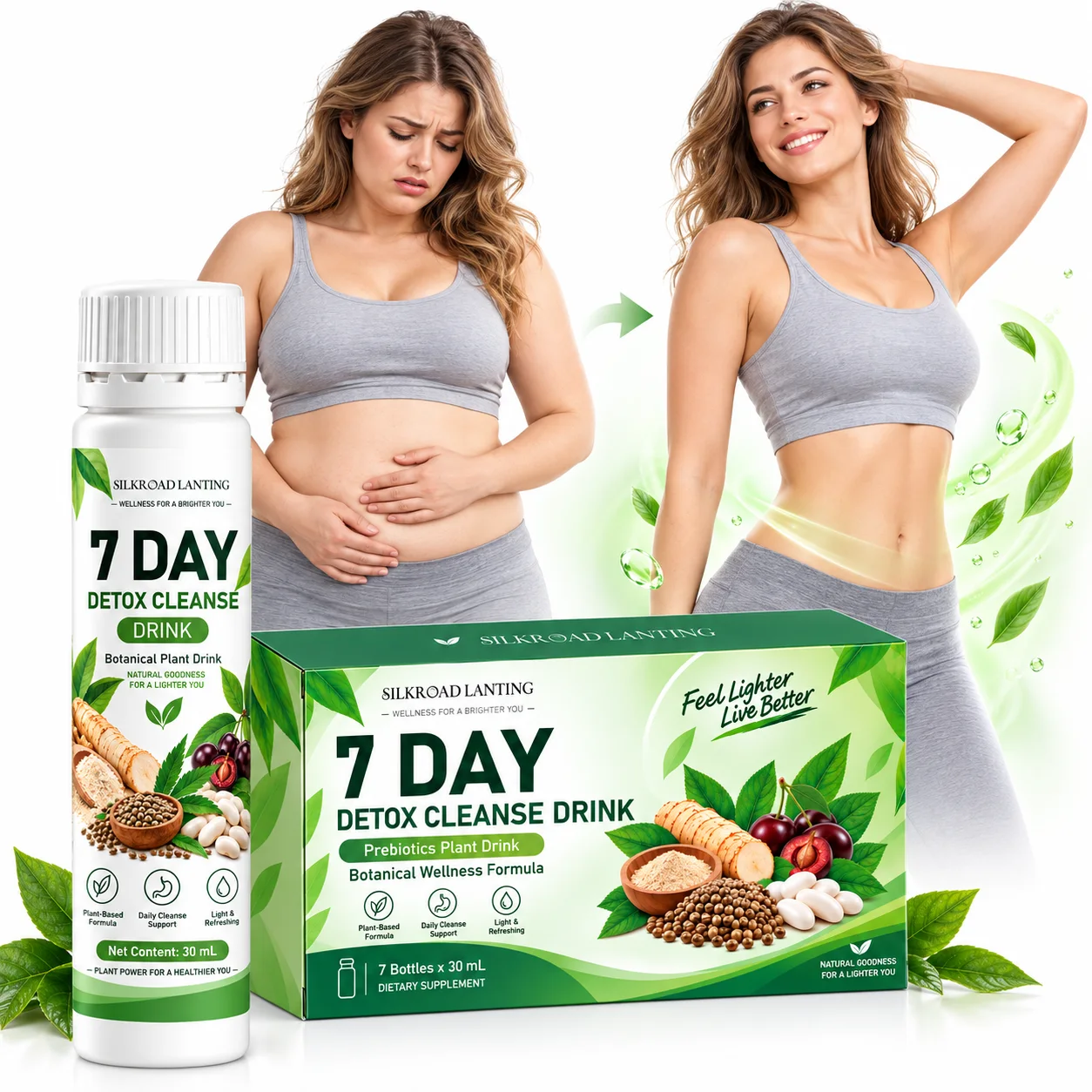
7-Day Botanical Wellness Drink
A multi-day botanical beverage concept for custom wellness projects.
View product →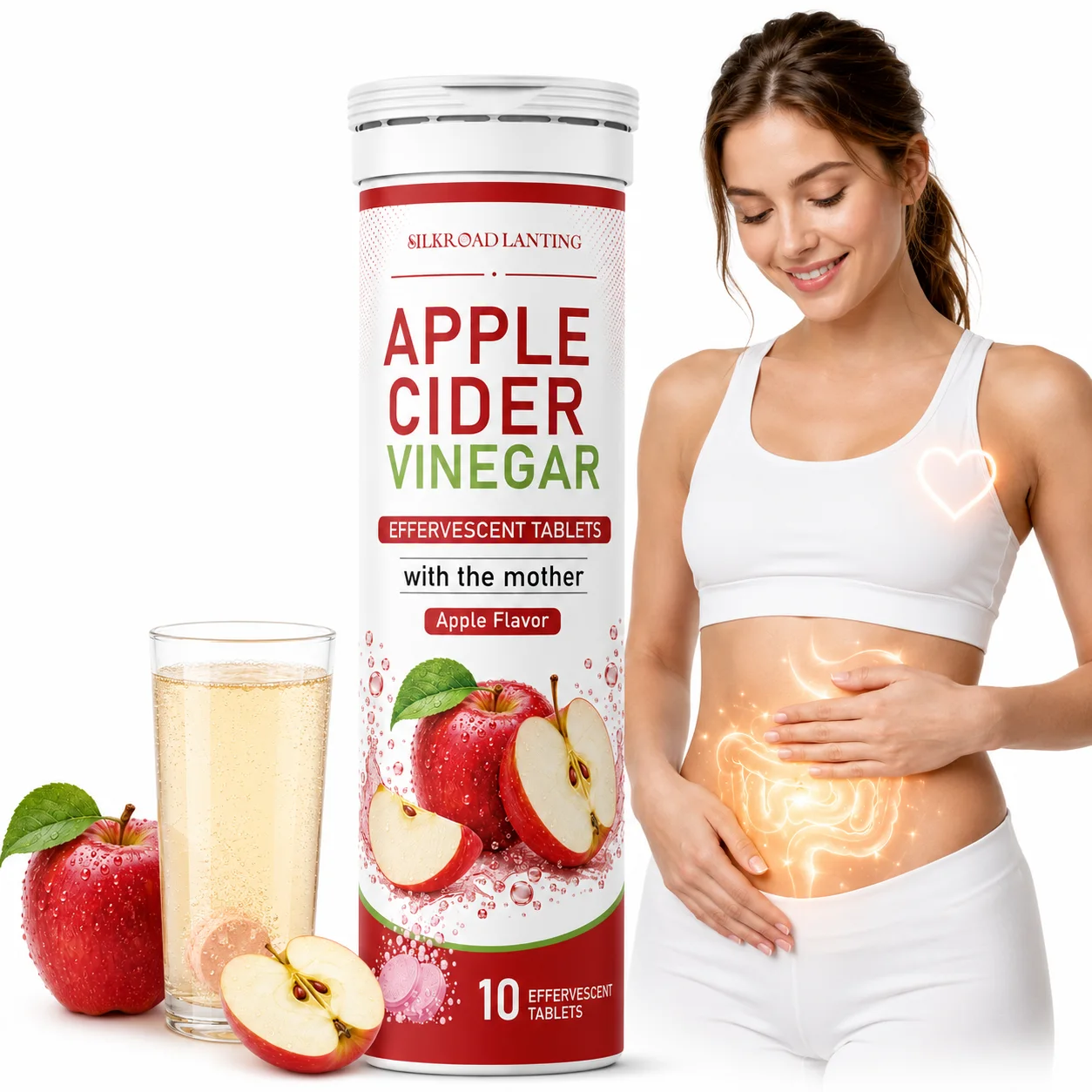
Apple Cider Vinegar
A convenient effervescent way to enjoy apple cider vinegar, designed for people looking to support their everyday nutrition, wellness lifestyle, and weight-management routine
View product →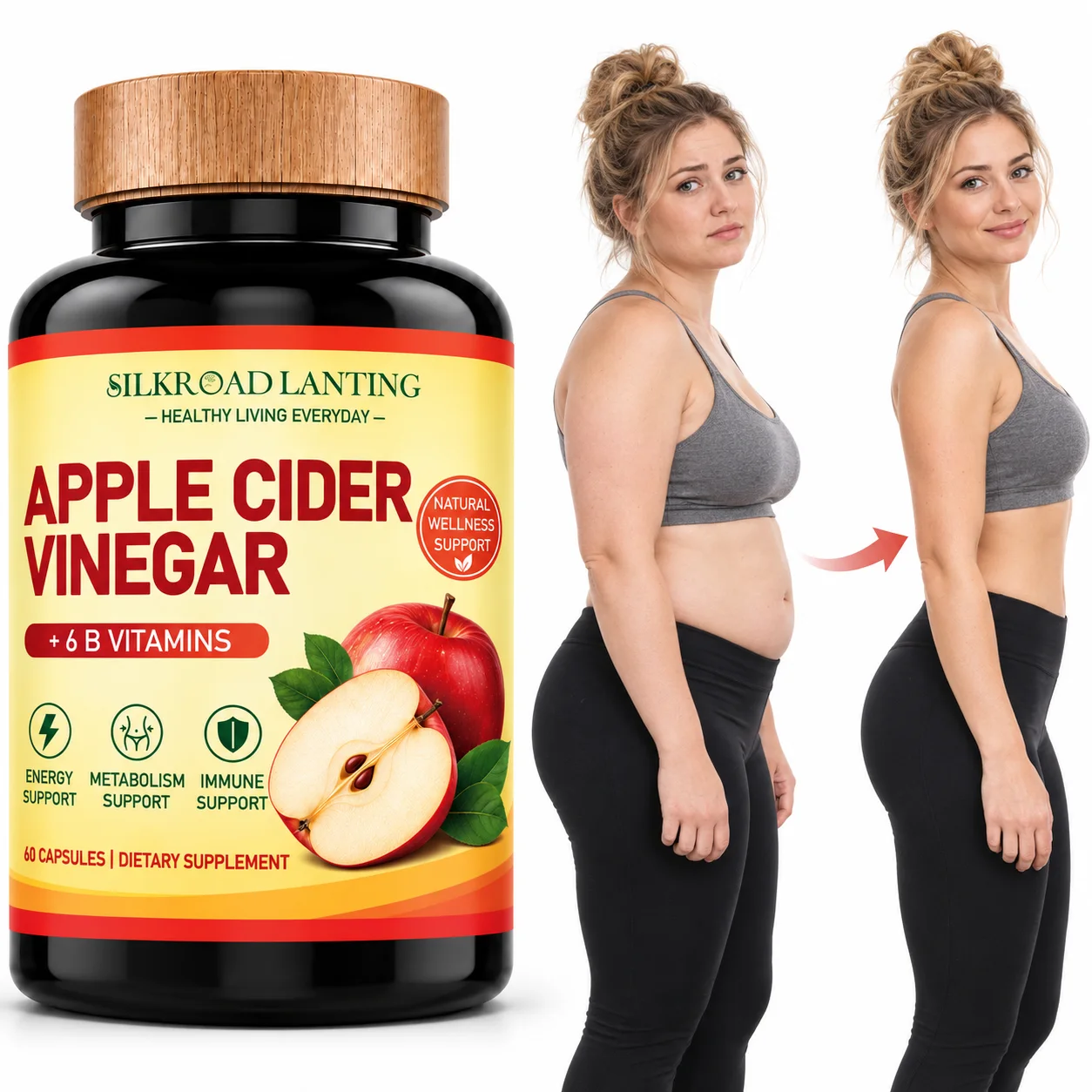
Apple Cider Vinegar Capsules
ACV capsules have the most credible support for **post-meal blood sugar smoothing** and **modest weight loss as part of a calorie-controlled diet**. Benefits are real but small, and capsule dosing may underdeliver vs. the liquid doses studied. If you have diabetes or take medication, consult your doctor before starting.
View product →Request a sample and calculate your product cost.
Send the product name or reference, target market, estimated quantity and packaging idea. We can discuss a stock formula, formula adjustment or custom R&D route, then confirm sampling and manufacturing cost.