
Gummies are attractive because they combine supplementation with a familiar consumer format. They are also more formulation-sensitive than many buyers expect.
A successful gummy project has to balance active ingredients, taste, texture, stability, serving size and manufacturing feasibility.
Active load is the first constraint
A gummy has limited physical space.
The desired active level affects:
- Gummy size
- Gummies per serving
- Texture
- Flavor
- Processing
- Cost
A formula designed for capsules cannot always be transferred directly into gummies.
Pectin or gelatin?
Different gummy systems create different textures and commercial positioning.
The choice may depend on:
- Vegan positioning
- Texture preference
- Formula compatibility
- Processing route
- Shelf behavior
This decision should be made with the formula rather than after it.
Flavor development matters
Many active ingredients have their own taste or aroma.
Flavor work may involve:
- Fruit flavor
- Sweetness level
- Acid balance
- Color
- Masking undesirable notes
The goal is not simply to make the gummy sweet. It is to make the full serving acceptable to the target customer.
Sugar and sugar-reduced positioning
Sweetener systems affect taste, texture and processing.
A buyer should discuss the desired consumer positioning early because changing the sweetener system later can require new sample work.
Why gummy MOQ can be higher
Gummy projects may involve:
- Formula-specific cooking
- Molding
- Drying/conditioning
- Flavor/color setup
- Packaging
- Production yield
This can create higher practical minimums than simple capsule projects.
The manufacturer should explain the production route rather than only quoting a number.
Sample before production
A gummy sample is essential because the buyer must review sensory qualities.
Feedback should cover:
- Flavor
- Sweetness
- Texture
- Chew
- Color
- Size
- Aroma
- Serving count
Qualified B2B projects can discuss sample development with our R&D team.
Packaging
Gummies often require packaging that protects texture and presentation.
Common routes include:
- Bottles
- Jars
- Pouches
- Desiccant where appropriate
- Labels
- Cartons
Packaging should be discussed with shelf life and destination conditions in mind.
Cost drivers
Gummy cost may be affected by:
- Active ingredients
- Gummy base system
- Flavor/color
- Serving count
- Packaging
- Batch size
- Testing
- Production yield
A clear product brief is necessary for a useful quotation.
Claims and market positioning
Product claims should be reviewed for the destination market. In the United States, FDA distinguishes structure/function claims from disease claims. FDA structure/function claims
Next step
Send us your target active ingredients, flavor, gummies per serving, bottle count and first-order quantity. We can discuss formula feasibility, sample development and cost.
Contact Nina@siroad.net or WhatsApp.
Start from a real product, then customize if needed.
Our published catalog contains current products for sampling and private-label discussions. Open a product to review the dosage form, health direction and B2B options.
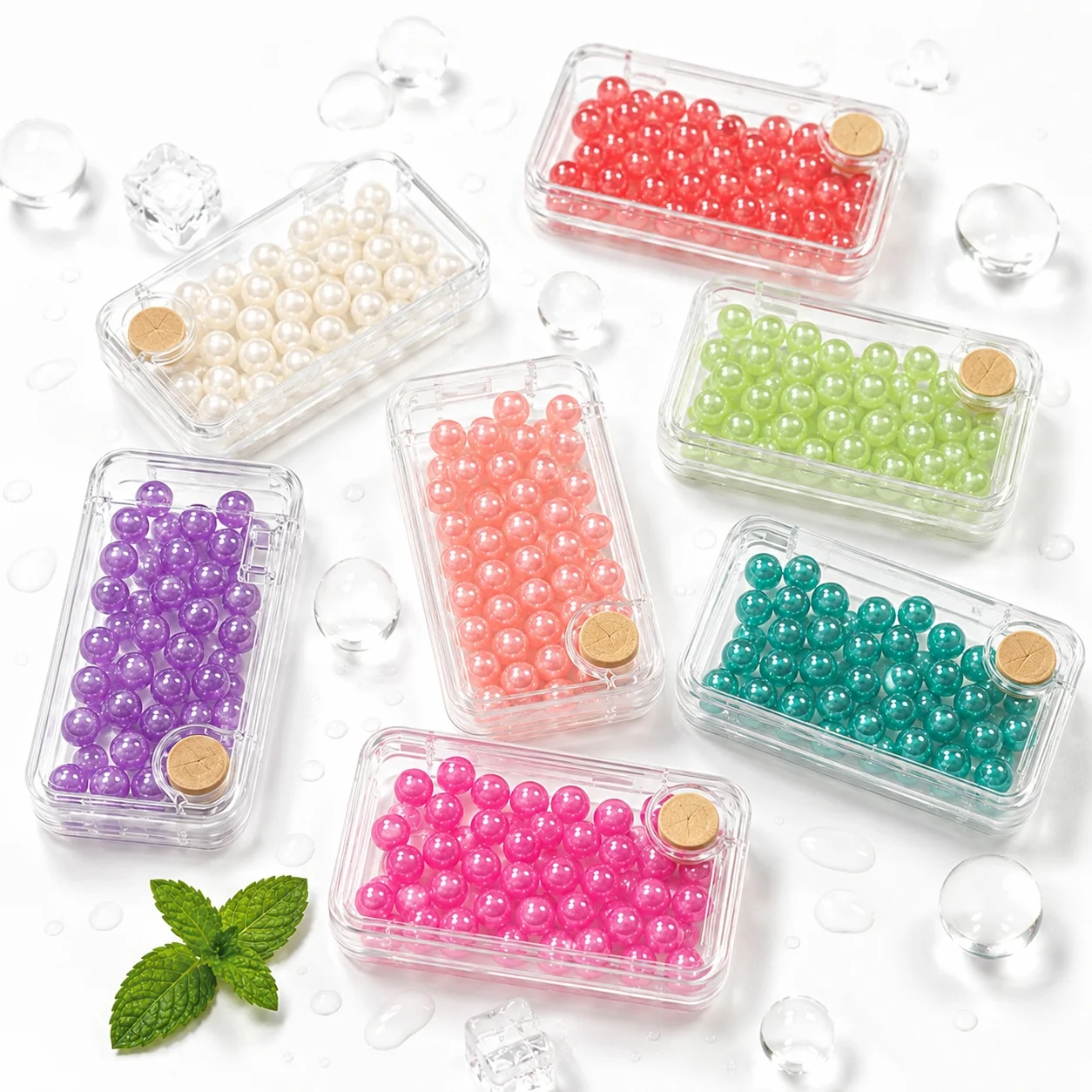
7-Flavor Burst Gum Collection
Enjoy a refreshing chew with a flavorful burst in every piece. With seven colorful varieties to explore, this portable gum collection adds fun to everyday moments.
View product →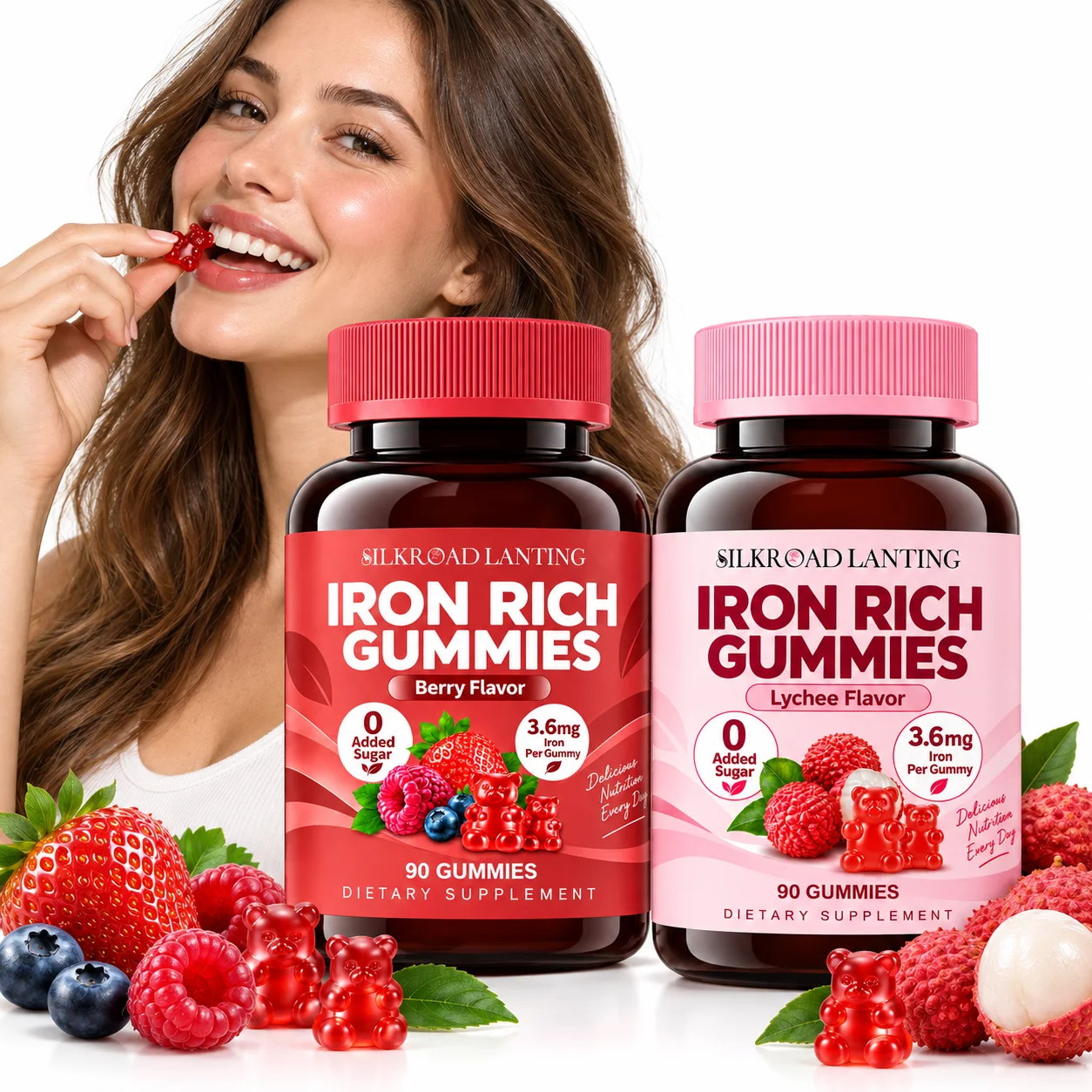
Iron-Rich Gummies
Iron-Rich Berry Gummies feature a soft, chewy berry-flavored formula that provides convenient support for daily iron nutrition and wellness routines.
View product →Request a sample and calculate your product cost.
Send the product name or reference, target market, estimated quantity and packaging idea. We can discuss a stock formula, formula adjustment or custom R&D route, then confirm sampling and manufacturing cost.