
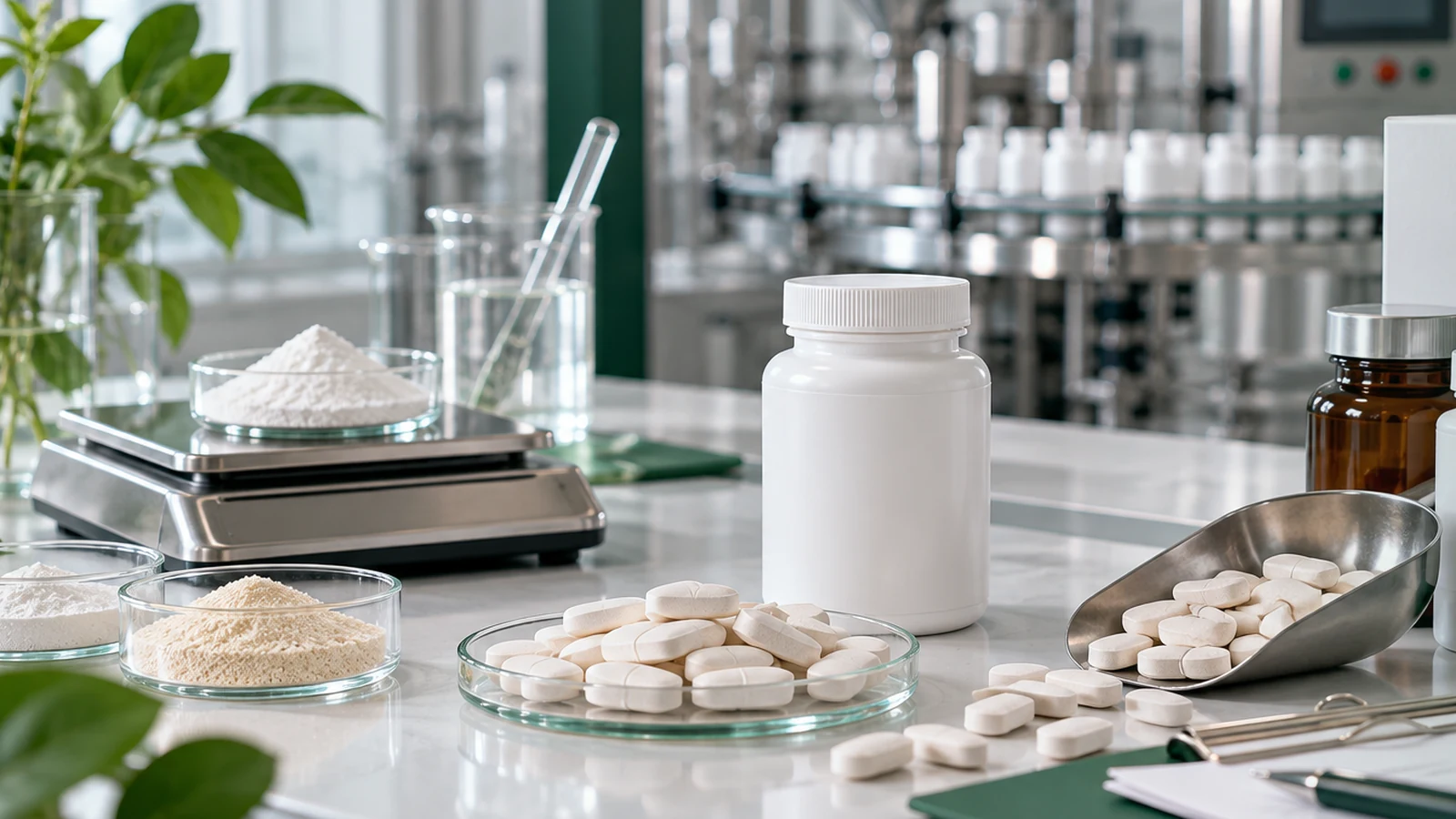
Herbal tea manufacturing is a product-development process, not only ingredient mixing.
Appearance, aroma, ingredient cut size, brew color, flavor and packaging all influence customer perception.
Tea bag or loose leaf?
The first decision is the format.
Tea bags
Convenient, controlled serving and familiar to consumers.
Pyramid tea bags
Can display larger botanical pieces and create a premium visual presentation.
Loose leaf
Allows visible botanicals and flexible serving, but requires the customer to measure or scoop the tea.
The blend should be designed for the format.
Ingredient cut size matters
Large leaves, roots, flowers and fruit pieces behave differently in blending and filling.
Cut size can affect:
- Blend uniformity
- Tea-bag filling
- Brew extraction
- Appearance
- Sedimentation
- Packaging volume
A beautiful ingredient may still need processing to work in the final format.
Formula development
A custom herbal blend can be built around:
- Target consumer
- Flavor direction
- Botanical positioning
- Daily routine
- Brew color
- Aroma
- Serving size
Claims should be reviewed separately for the destination market.
Sensory sampling
A tea sample should be brewed under realistic conditions.
Review:
- Aroma before brewing
- Brew aroma
- Color
- Flavor
- Bitterness
- Sweetness
- Mouthfeel
- Ingredient appearance
For qualified B2B projects, sample support can be discussed before larger production.
Packaging
Herbal tea packaging can include:
- Individual sachets
- Tea bags in pouches
- Boxes
- Resealable pouches
- Tins
- Gift sets
Packaging affects both MOQ and shelf presentation.
Private label or custom blend?
A private-label stock blend can move faster.
A custom blend is useful when the brand needs a different botanical direction, taste profile or product story.
Our formula library and R&D team can help compare the two routes.
Read our private label herbal tea guide.
MOQ
Tea MOQ is affected by:
- Ingredient purchasing
- Number of ingredients
- Tea-bag format
- Net weight
- Printed packaging
- Cartons
- Production setup
Standard packaging components can help keep the first project simpler.
Label claims
For U.S. products, label claims require careful review. FDA distinguishes health claims, nutrient-content claims and structure/function claims. FDA label claims guidance
Start with the target customer
Send us the target consumer, formula reference, tea format, pack size and order quantity. We can discuss stock blend, formula adjustment or custom development.
Contact Nina@siroad.net or WhatsApp.
Start from a real product, then customize if needed.
Our published catalog contains current products for sampling and private-label discussions. Open a product to review the dosage form, health direction and B2B options.
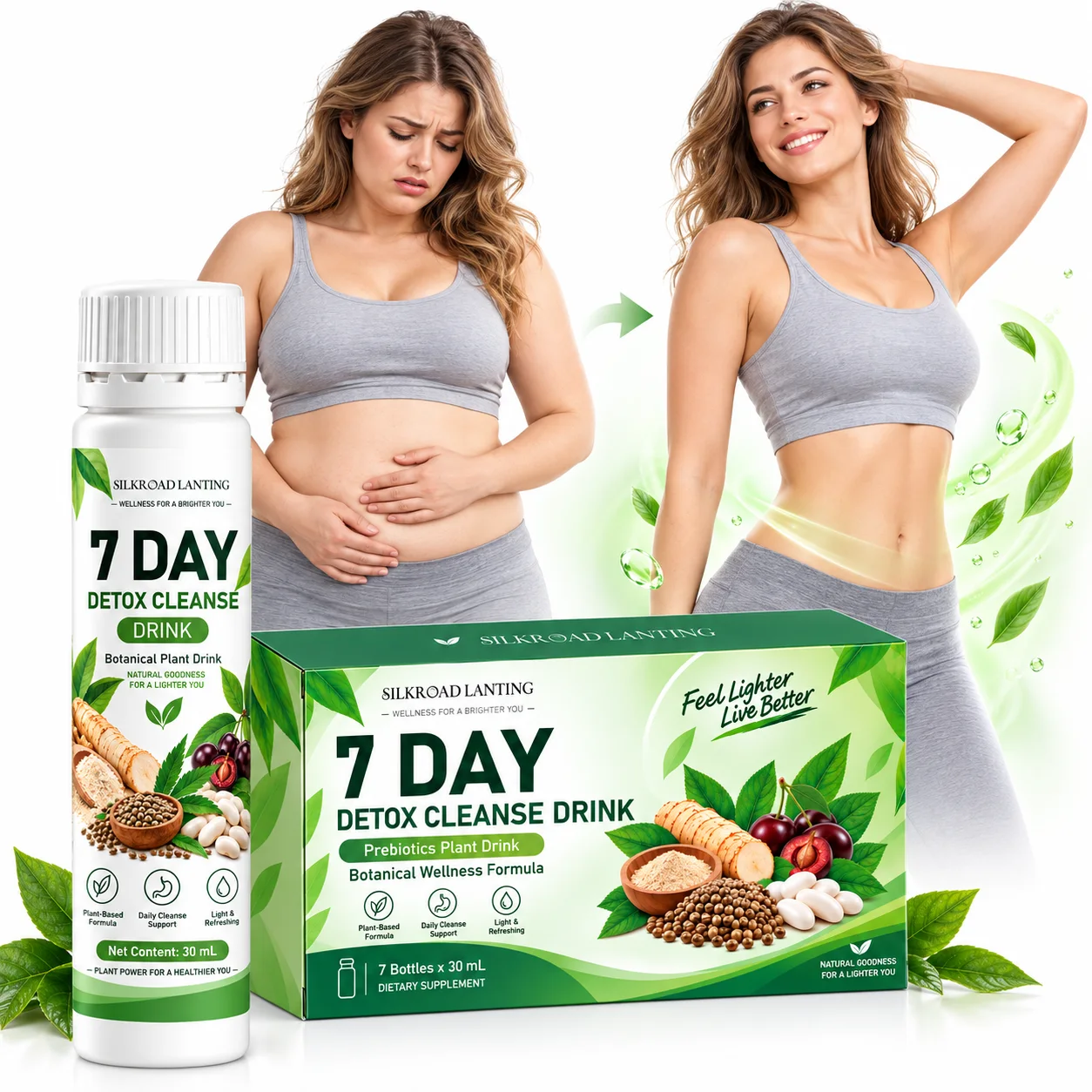
7-Day Botanical Wellness Drink
A multi-day botanical beverage concept for custom wellness projects.
View product →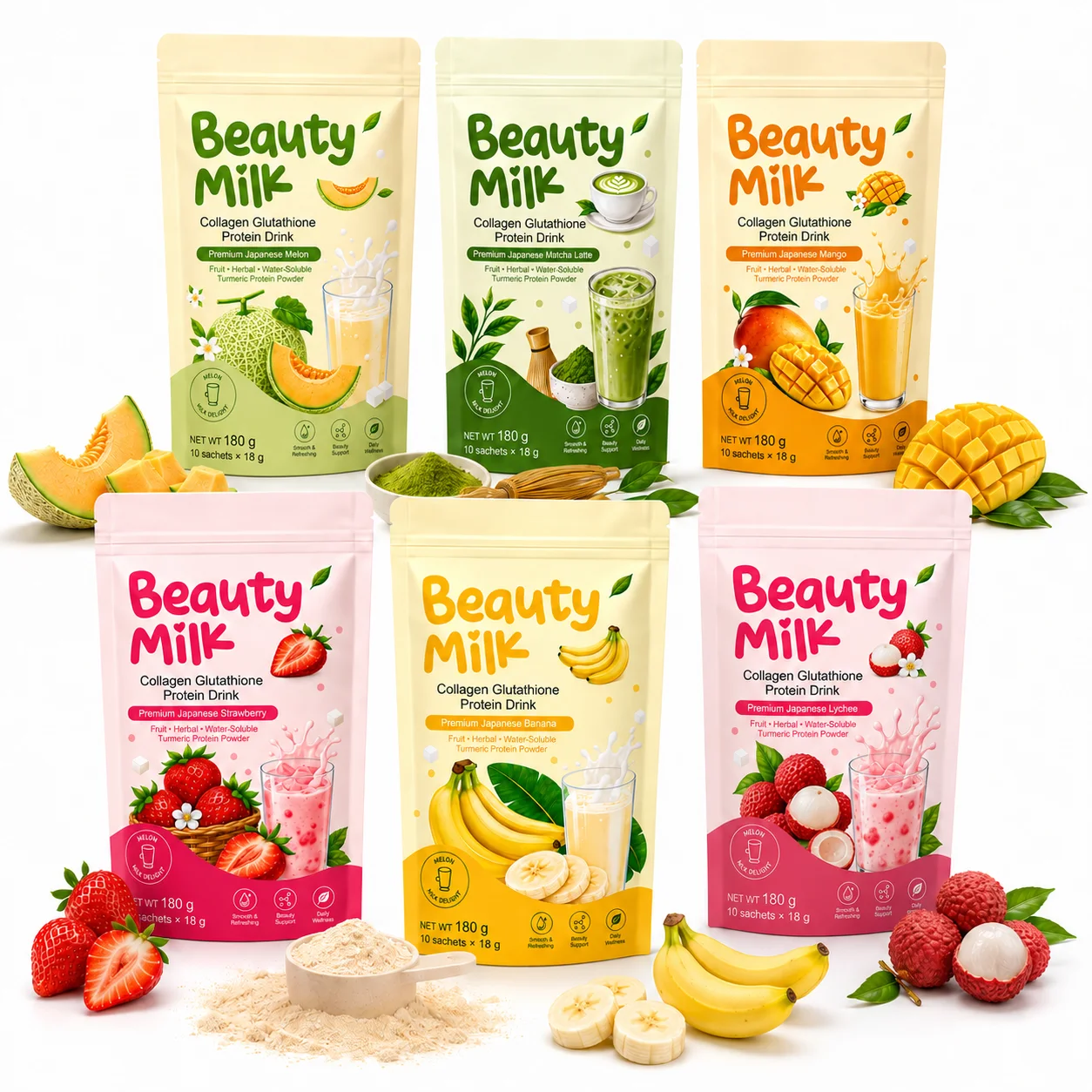
Beauty Milkshake Powder
Multi-Flavor Beauty Milkshake Powder offers a smooth and enjoyable milkshake experience for breakfast, afternoon refreshment, or everyday self-care routines.
View product →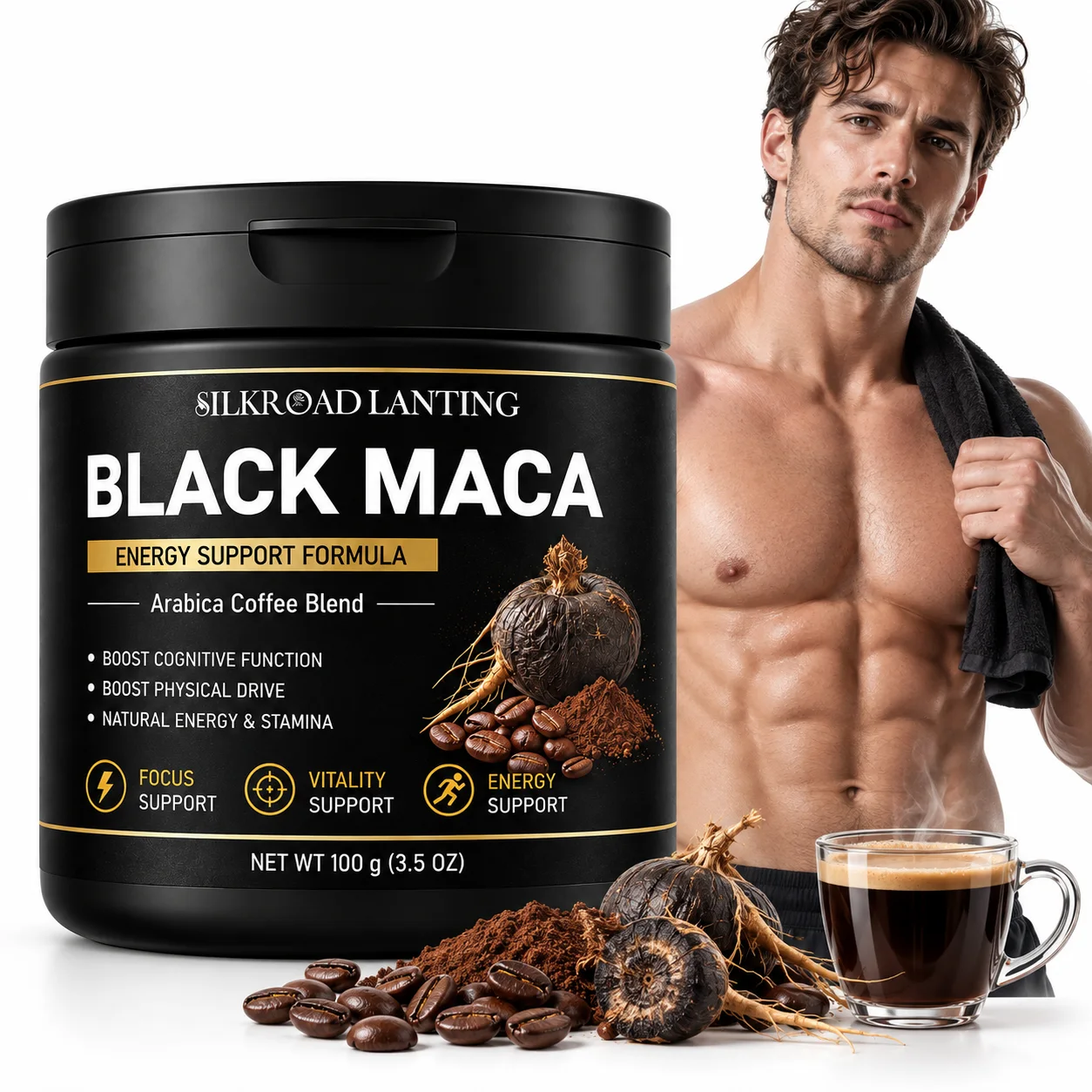
Black Maca Energy Coffee Powder
A functional coffee powder concept combining beverage positioning with botanicals.
View product →Request a sample and calculate your product cost.
Send the product name or reference, target market, estimated quantity and packaging idea. We can discuss a stock formula, formula adjustment or custom R&D route, then confirm sampling and manufacturing cost.