
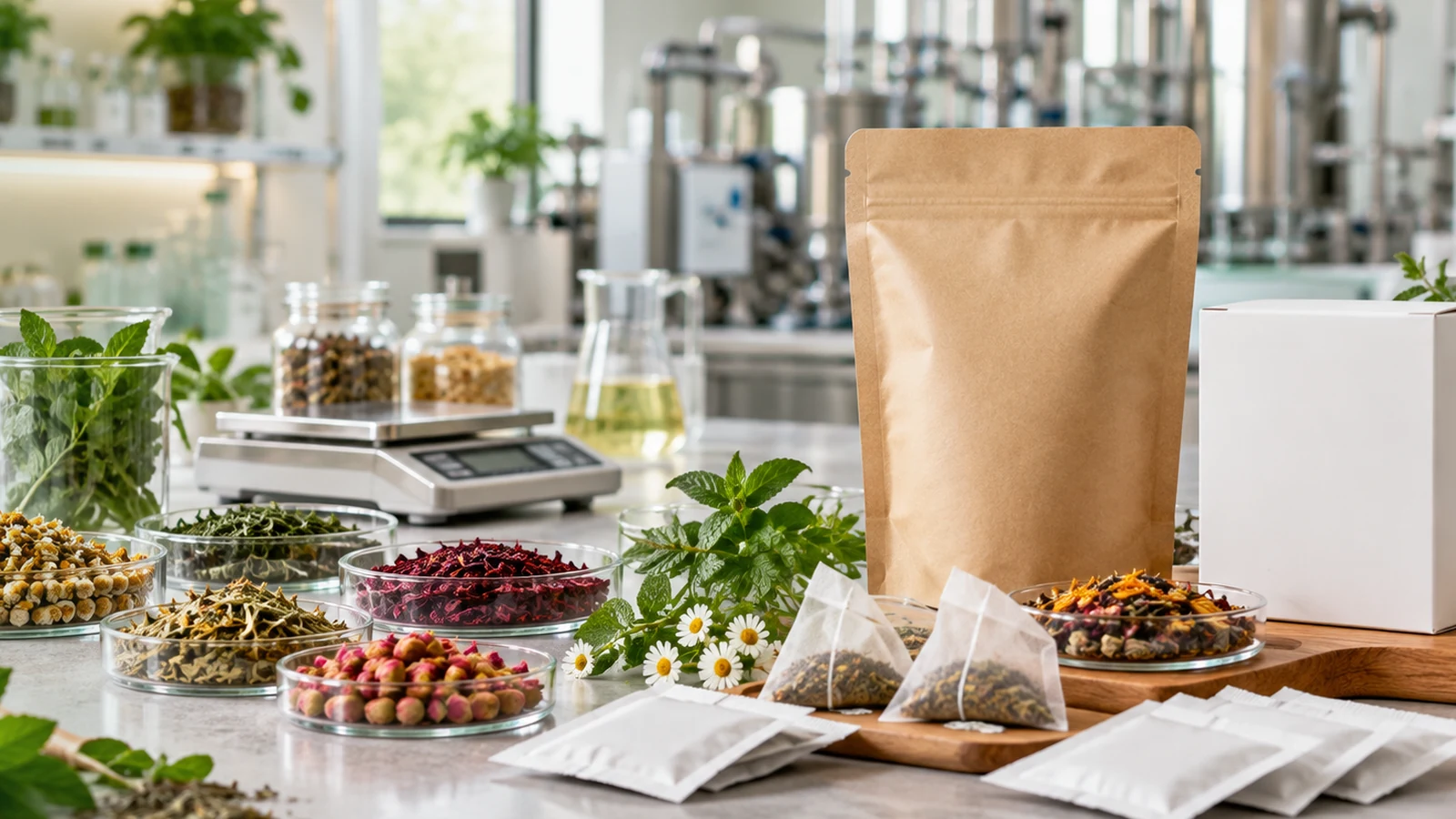
There is no useful answer to “How much does it cost to manufacture a supplement?” without a product specification.
Two bottles that look similar can have very different costs because of formula, dosage, ingredient source, packaging and testing.
A professional quotation should explain what the price is based on.
Cost area 1: ingredients
Ingredients can represent a large portion of cost.
Price is influenced by:
- Ingredient type
- Specification
- Assay or concentration
- Source
- Amount per serving
- Number of servings
- Supporting ingredients
A formula with many low-dose ingredients can also create sourcing complexity even if individual ingredient costs are not high.
Cost area 2: dosage form
Capsules, tablets, gummies, powders, softgels, liquids and specialty formats have different processing requirements.
The dosage form can affect:
- Production setup
- Labor
- Equipment
- Yield
- Packaging
- MOQ
A product should be costed in its actual format, not by comparing it with a different dosage form.
Cost area 3: serving size and pack count
A formula may be inexpensive per gram but expensive per bottle if the serving size is large.
Important inputs include:
- Units per serving
- Servings per container
- Tablet/capsule count
- Powder grams per serving
- Liquid volume
- Gummy count
This is why “cost per bottle” is not meaningful until serving size is fixed.
Cost area 4: packaging
Packaging may include:
- Bottle or jar
- Cap
- Seal
- Desiccant
- Label
- Pouch
- Stick-pack film
- Carton
- Insert
- Master carton
Fully printed packaging can create additional minimums and setup costs.
Cost area 5: testing and documentation
Testing scope depends on product and market.
Additional third-party testing can add cost but may be important for customer, retailer or market requirements.
For U.S. dietary supplements, FDA’s CGMP guidance describes quality-control and specification requirements relevant to manufacturing. FDA CGMP guide
Cost area 6: MOQ and setup
Smaller runs spread setup cost across fewer units.
This is why a 500-unit project and a 10,000-unit project cannot be expected to have the same unit cost.
The goal is to find the smallest commercially sensible quantity, not only the smallest possible quantity.
Cost area 7: freight and destination
Finished cost also depends on:
- Product weight
- Packaging volume
- Shipping mode
- Destination
- Import arrangements
- Marketplace preparation
These costs should be considered before retail pricing is finalized.
How to reduce cost without destroying the product
Possible strategies include:
- Use an existing formula
- Simplify packaging
- Reduce unnecessary ingredient complexity
- Use standard components
- Optimize pack count
- Start with one SKU
- Choose a dosage form that fits the formula better
Cost reduction should focus on unnecessary complexity rather than removing the product’s reason to exist.
What we need to calculate your cost
Send:
- Product or reference
- Formula or ingredient direction
- Dosage form
- Serving size
- Pack count
- Order quantity
- Packaging idea
- Destination market
- Testing requirements
Our team can then calculate a more realistic manufacturing cost.
Sample before final cost
A sample can reveal whether the formula, flavor or physical format needs adjustment. That can change the final cost.
For this reason, the most reliable cost often comes after the product direction is confirmed.
Qualified B2B projects can discuss free sample support with our R&D team.
Contact Nina@siroad.net or WhatsApp with your product brief.
Start from a real product, then customize if needed.
Our published catalog contains current products for sampling and private-label discussions. Open a product to review the dosage form, health direction and B2B options.
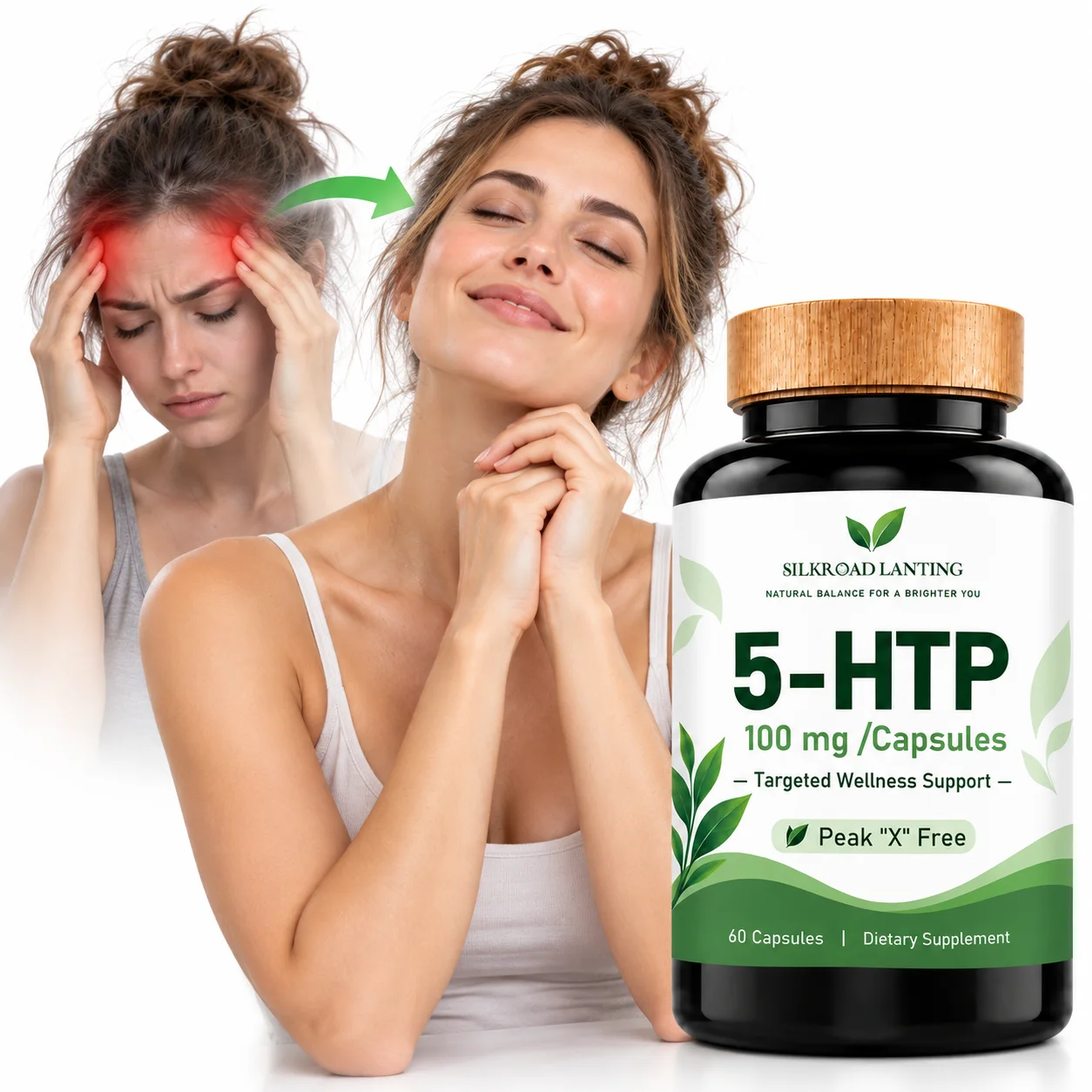
5-Hydroxytryptophan Capsules
5-HTP (5-Hydroxytryptophan) Capsules feature a plant-based formula labeled with 100 mg of 5-HTP per capsule, supporting everyday mood balance, relaxation, and sleep wellness.
View product →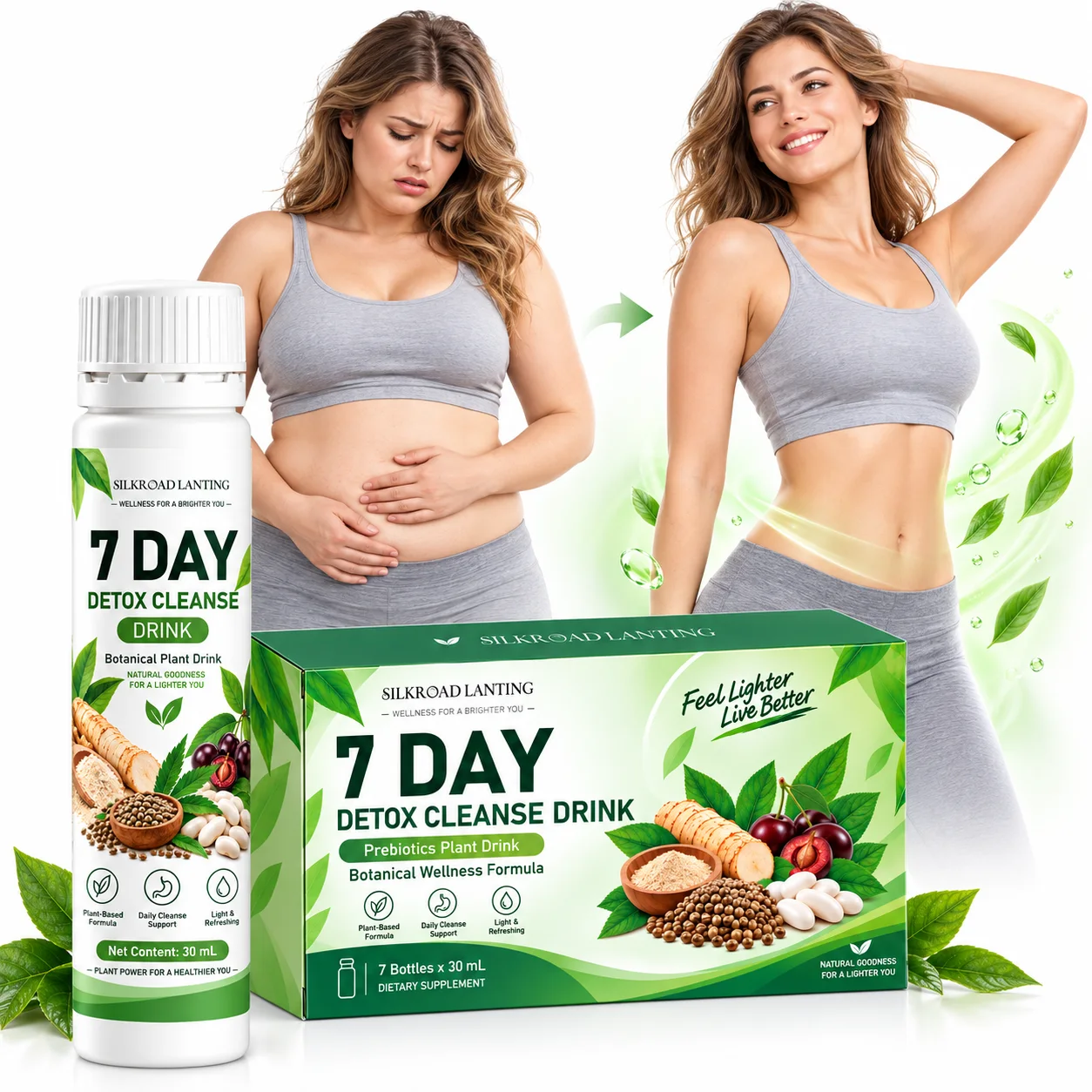
7-Day Botanical Wellness Drink
A multi-day botanical beverage concept for custom wellness projects.
View product →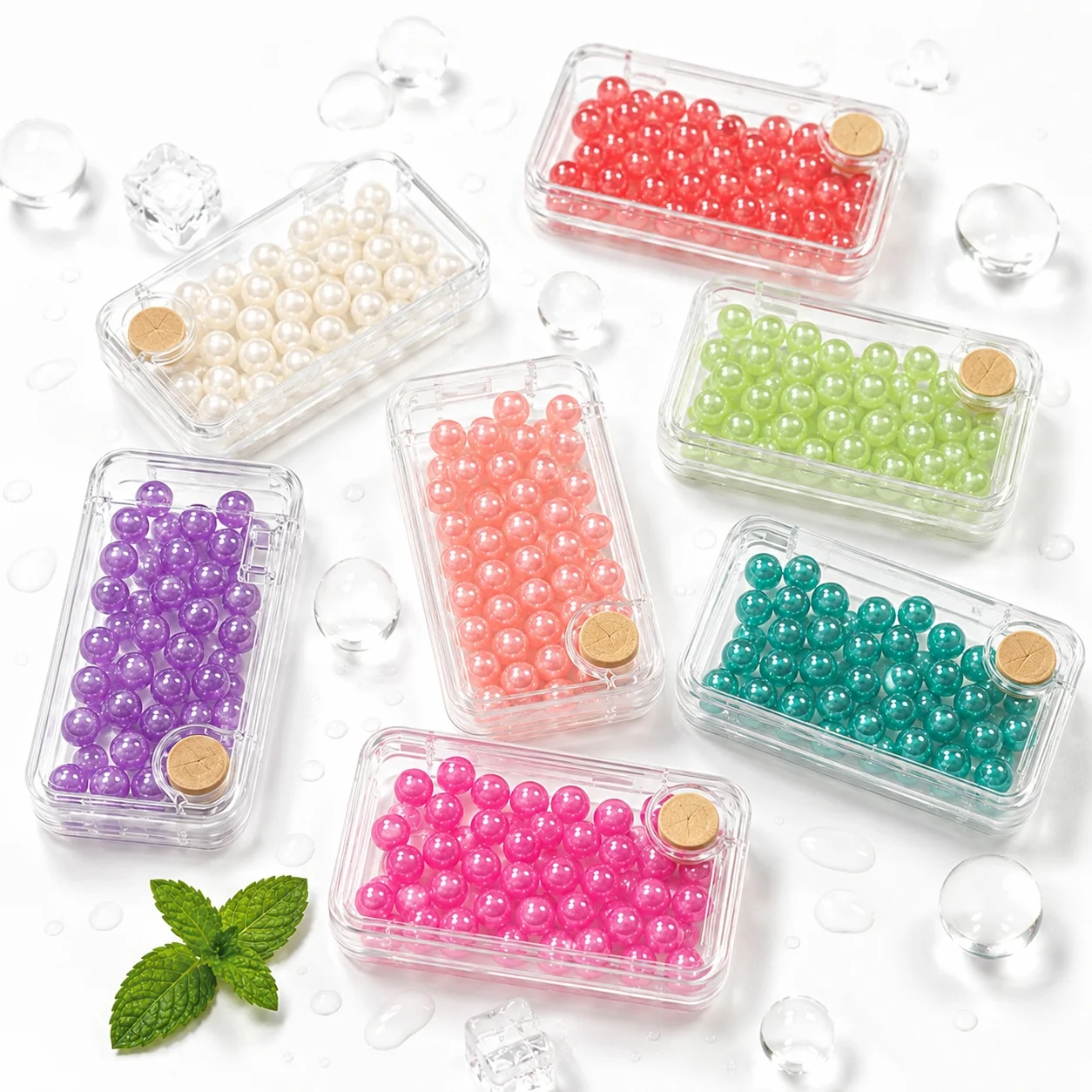
7-Flavor Burst Gum Collection
Enjoy a refreshing chew with a flavorful burst in every piece. With seven colorful varieties to explore, this portable gum collection adds fun to everyday moments.
View product →Request a sample and calculate your product cost.
Send the product name or reference, target market, estimated quantity and packaging idea. We can discuss a stock formula, formula adjustment or custom R&D route, then confirm sampling and manufacturing cost.