
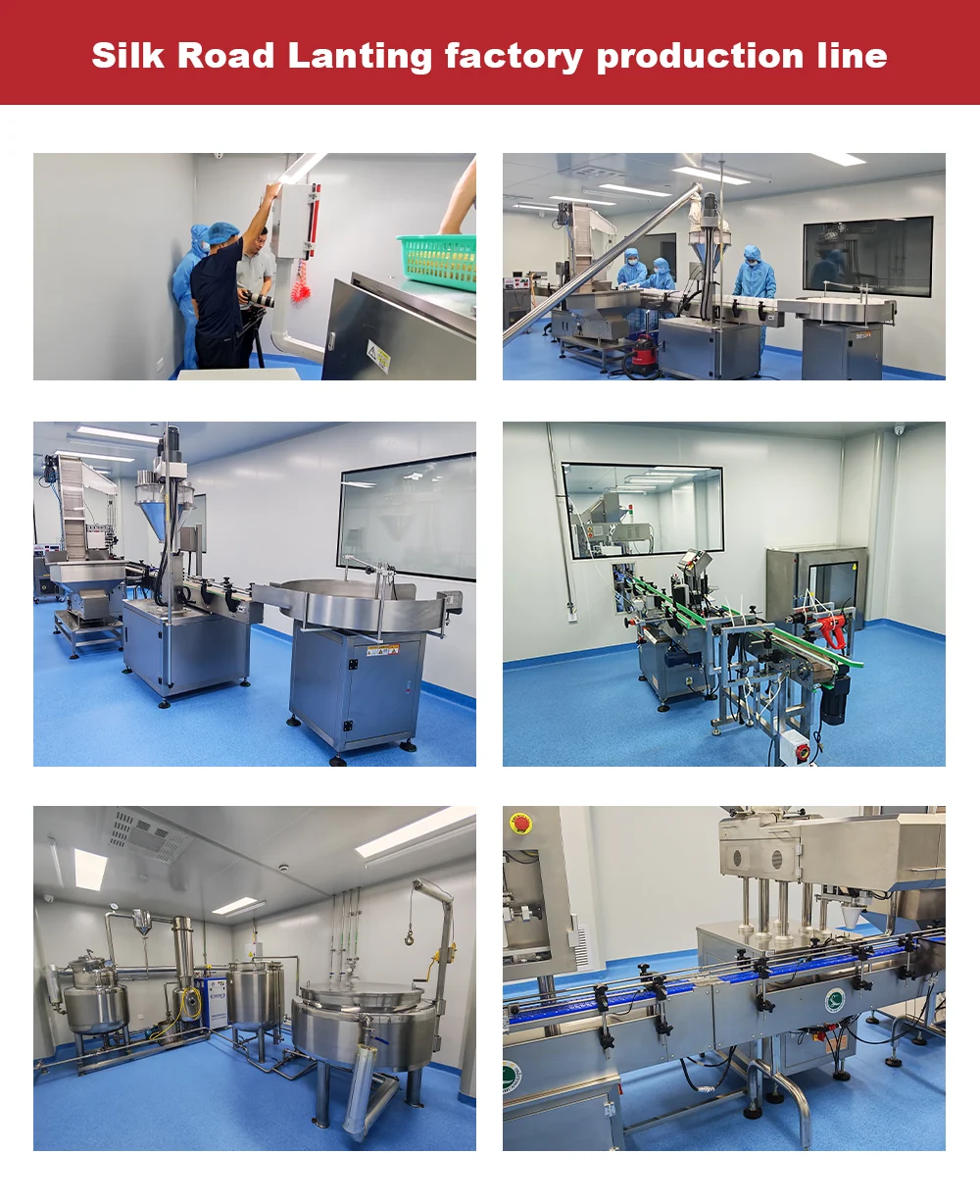
Choosing a supplement manufacturer is not only a sourcing decision. For a growing brand, it affects launch speed, product consistency, packaging execution, working capital and the number of problems the team must solve after the purchase order is placed.
Start with the product, not the factory sales pitch
A useful manufacturer discussion begins with the product brief: target market, health positioning, dosage form, formula direction, estimated first order and packaging. If a supplier cannot turn that brief into a clear development path, a low quotation may create more work later.
For a first conversation, prepare four items:
- Target market and sales channel
- Product or formula reference
- Estimated first order quantity
- Preferred packaging and launch timing
This gives the manufacturer enough context to recommend a realistic route.
Check dosage-form capability
“Supplement manufacturer” is a broad label. A factory may be strong in capsules but outsource gummies, liquids or stick packs. Another supplier may have strong powder blending but limited small-batch packaging.
Ask which formats are produced in-house, which are coordinated through partner facilities and which formats require a different MOQ. The answer matters because dosage form affects tooling, packaging, lead time and quality control.
At SILKROAD LANTING, we structure OEM/ODM discussions around the format first, then connect formulation, packaging and production to that format.
Separate private label from custom formulation
Private label and custom formula are not the same project.
A private-label route usually starts with an existing formula or product platform and focuses on brand presentation, pack size, label and commercial positioning. A custom-formulation project may require ingredient sourcing, serving-size decisions, flavor work, stability considerations and more development time.
Brands should ask the manufacturer to explain which route fits the project rather than assuming custom development is always better.
Evaluate MOQ in context
A “low MOQ” is useful only if the product still makes commercial sense. MOQ can change because of ingredient minimums, bottle or pouch minimums, printed packaging, production-line setup and testing requirements.
Instead of asking only “What is your MOQ?”, ask:
- What is the MOQ for this exact dosage form?
- Does custom packaging change the minimum?
- Can samples or pilot quantities be produced first?
- Which packaging routes are most practical for a smaller first order?
This creates a more useful cost conversation.
Review quality documentation and testing scope
Buyers should verify the documentation relevant to the product and destination market. A certificate image alone does not answer every compliance question. Ask which facility produces the product, what testing is performed, what documentation is supplied with the batch and whether additional third-party testing can be arranged.
For dietary supplements sold in the United States, claims and labeling also require careful review. FDA distinguishes structure/function claims from disease claims, and companies are responsible for ensuring claims are truthful and not misleading. FDA structure/function claims
Packaging is part of product development
Bottle, pouch, sachet, stick pack and carton decisions affect cost, shelf presentation and operational complexity. Packaging should be discussed early rather than after the formula is finalized.
Ask the manufacturer which packaging options are standard, which require new components and which are better for a small first production run.
Communication quality predicts project quality
Many OEM/ODM problems are not caused by manufacturing equipment. They come from unclear specifications, changes that are not documented, missing artwork details or assumptions about what is included.
A good supplier should be able to summarize the product brief, confirm responsibilities and explain the next decision required from the buyer.
A useful manufacturer should reduce decisions, not create confusion
For an early-stage brand, the best manufacturing partner is usually not the one with the longest capability list. It is the one that can turn the commercial idea into a clear sequence: product direction, format, formula, packaging, sample, production and delivery.
SILKROAD LANTING supports private label, custom formula and OEM/ODM projects across multiple dosage forms. If you already have a product reference, formula or packaging idea, send it with your target market and estimated quantity so the project route can be discussed efficiently.
Start from a real product, then customize if needed.
Our published catalog contains current products for sampling and private-label discussions. Open a product to review the dosage form, health direction and B2B options.
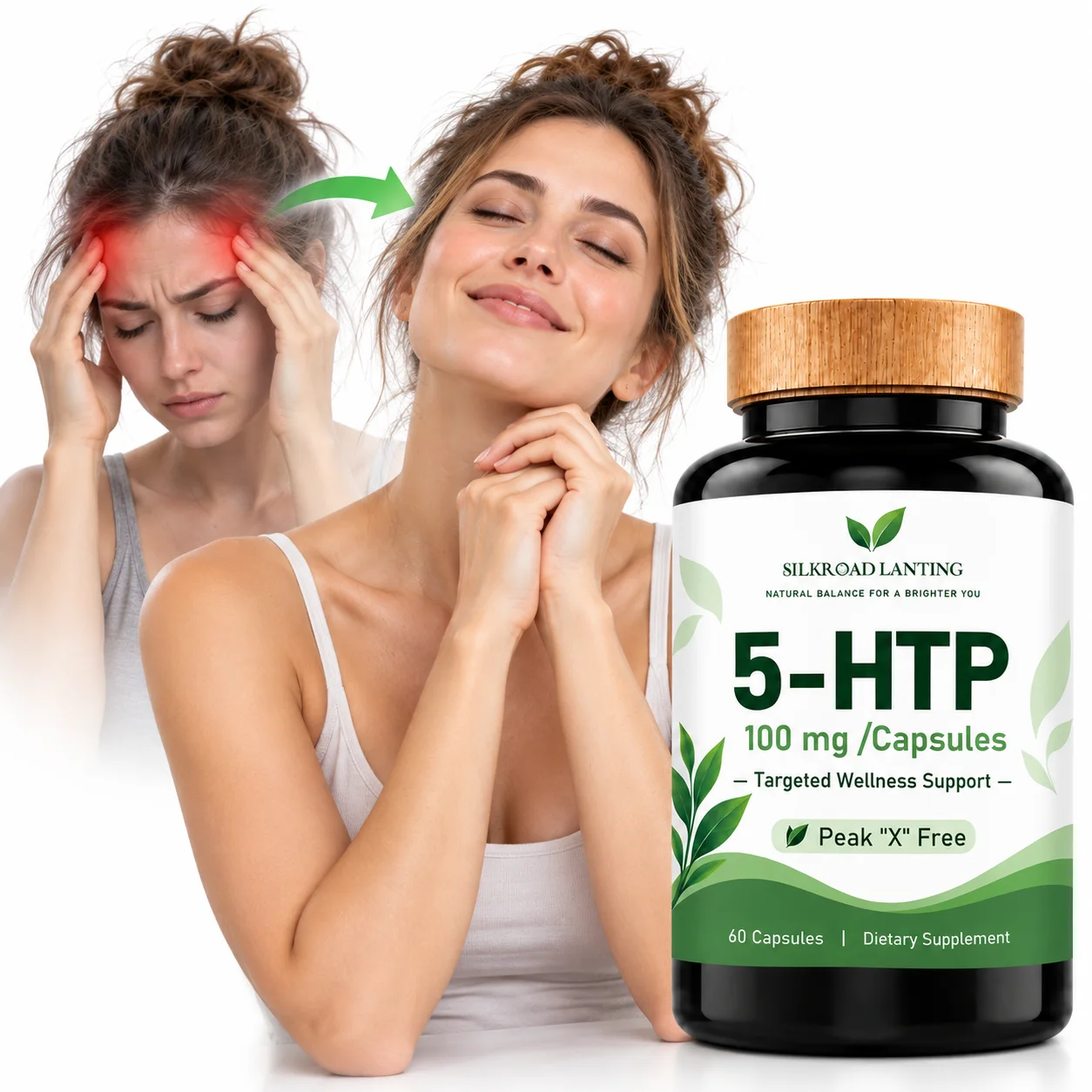
5-Hydroxytryptophan Capsules
5-HTP (5-Hydroxytryptophan) Capsules feature a plant-based formula labeled with 100 mg of 5-HTP per capsule, supporting everyday mood balance, relaxation, and sleep wellness.
View product →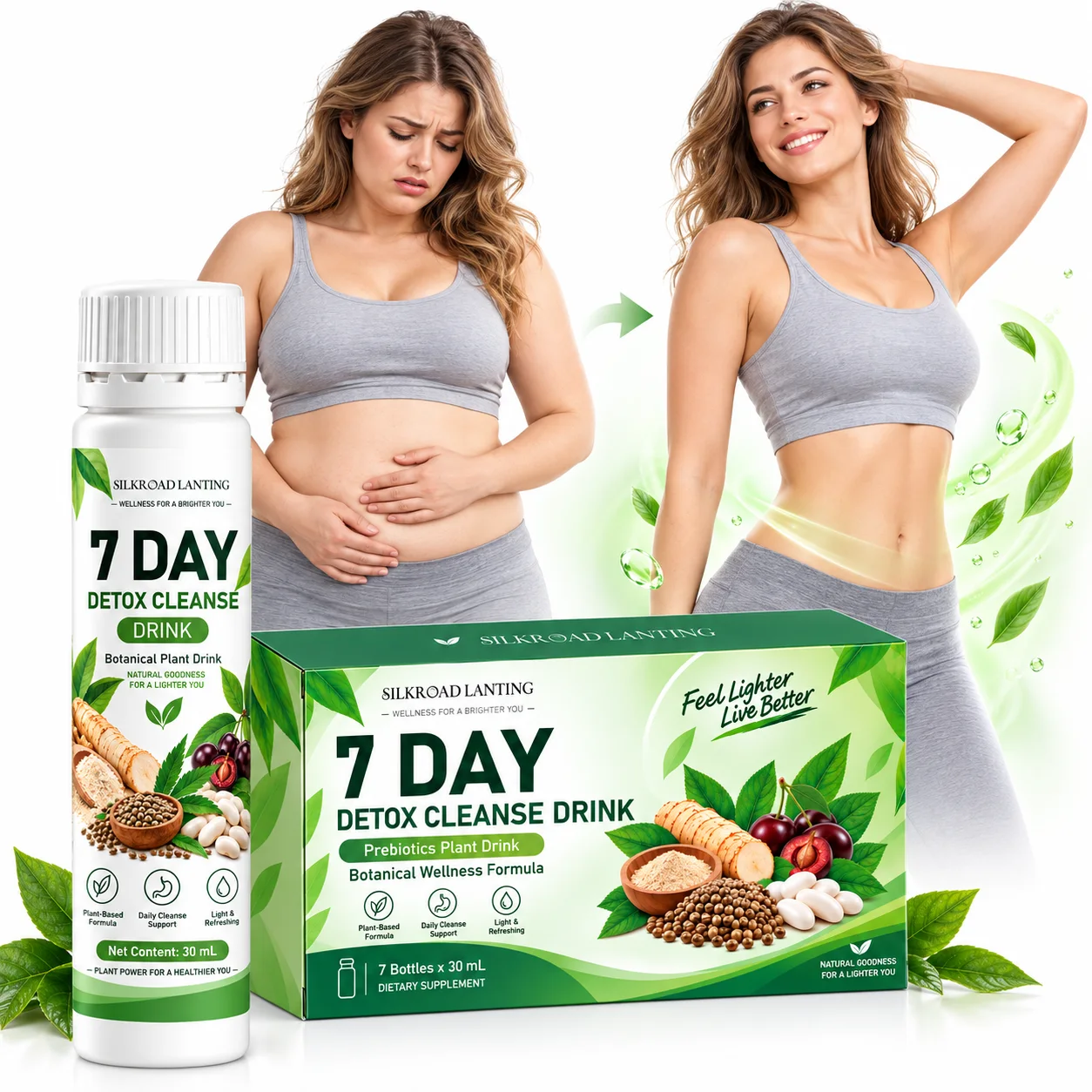
7-Day Botanical Wellness Drink
A multi-day botanical beverage concept for custom wellness projects.
View product →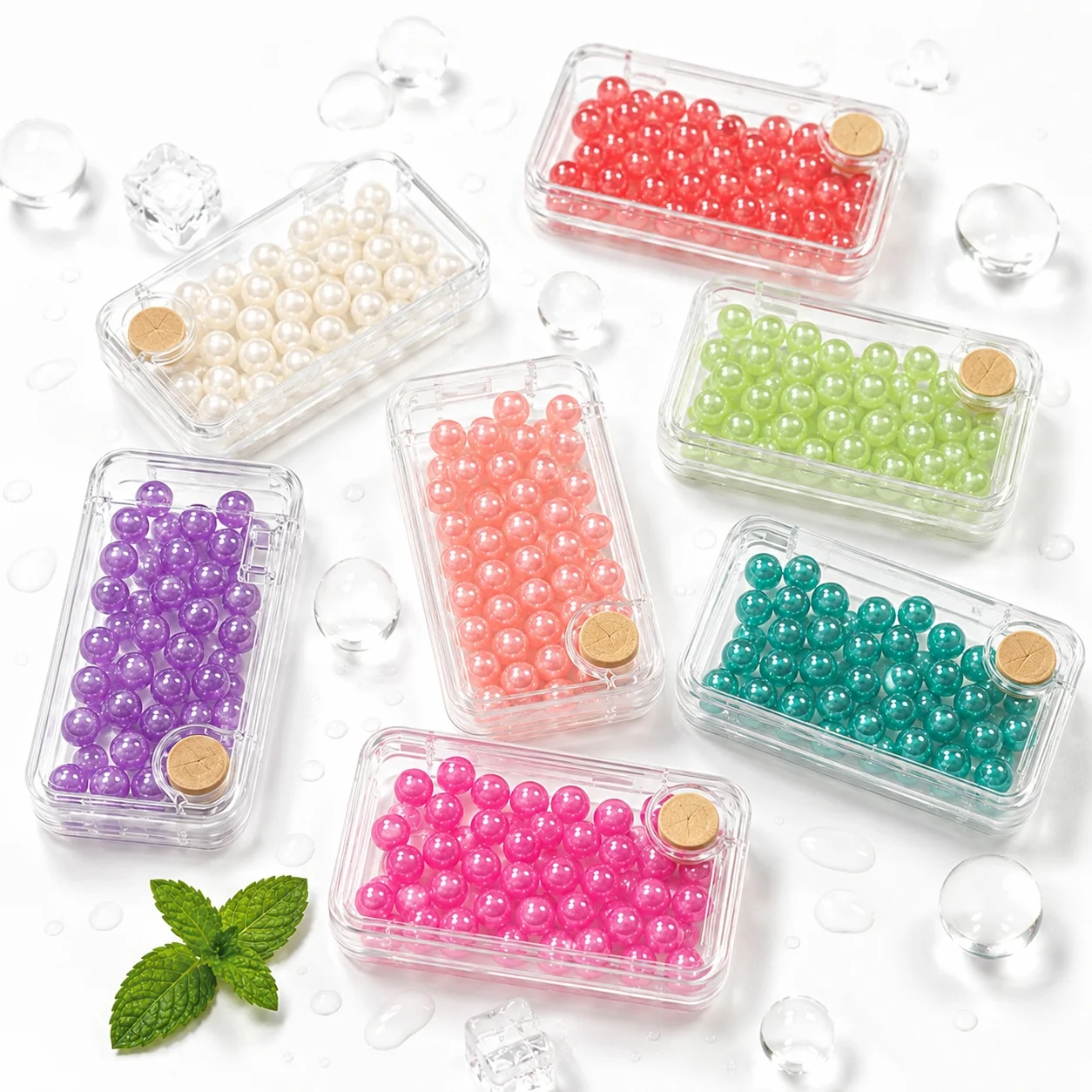
7-Flavor Burst Gum Collection
Enjoy a refreshing chew with a flavorful burst in every piece. With seven colorful varieties to explore, this portable gum collection adds fun to everyday moments.
View product →Request a sample and calculate your product cost.
Send the product name or reference, target market, estimated quantity and packaging idea. We can discuss a stock formula, formula adjustment or custom R&D route, then confirm sampling and manufacturing cost.