
Launching a protein powder brand can be an opportunity for fitness businesses, supplement entrepreneurs, distributors and established nutrition companies. A private label protein powder project allows a business to sell a product under its own brand while working with a manufacturing partner for product development and production.
A successful launch starts with a clear product brief rather than a label design alone.
1. Define your target customer and market
Decide who the product is intended for: gym and strength-training consumers, general active adults, sports nutrition retailers, online supplement shoppers or another defined audience.
The target country also matters. Ingredient eligibility, nutrition labeling, allergen declarations and marketing claims must be reviewed for the destination market.
2. Select the protein source
Common directions include:
- Whey protein concentrate for mainstream whey formulations
- Whey protein isolate for higher-protein-concentration concepts
- Hydrolyzed whey for specialized formulations
- Plant proteins such as pea, rice or soy
- Protein blends designed around a specific nutritional and sensory target
Request the current technical specification for every proposed ingredient. Protein content, lactose, fat, moisture and other parameters vary by grade and supplier.
3. Set the nutrition target
Specify the target protein grams per serving, serving size and net weight. Ask how flavoring, cocoa, sweeteners and other ingredients affect the finished-product protein percentage.
A calculation based on raw material specifications is only a formulation estimate. Finished-product testing is needed to verify the declared nutritional value.
4. Choose the flavor direction
Common flavor concepts include chocolate, vanilla, strawberry, cookies and cream, banana, coffee and matcha. The best choice depends on the protein base and the intended consumer.
A sample should be evaluated for aroma, sweetness, aftertaste, dispersibility and mouthfeel before the formula is approved.
5. Select packaging
Common options include:
- Plastic tubs with screw caps
- Resealable stand-up pouches
- Aluminum-laminate pouches
- Single-serving sachets
- Bulk bags for business use
Confirm packaging material, food-contact suitability, moisture barrier, closure, inner seal, scoop requirements, label format and packaging MOQ.
6. Understand the private label development process
Step 1: Product consultation
Share the target market, product concept, preferred protein source, serving size, flavor and expected order quantity.
Step 2: Formula and specification review
Confirm ingredient grades, target protein content, allergens, technical feasibility and labeling needs.
Step 3: Sample development
Evaluate the sample under realistic preparation conditions. Record feedback and version changes.
Step 4: Artwork and packaging confirmation
Check the label, nutrition panel, ingredient list, net weight, warnings, directions and market-specific statements.
Step 5: Quotation and production planning
Confirm MOQ, price breakdown, testing scope, production schedule, payment terms and delivery terms.
Step 6: Quality review and shipment
Review agreed batch documents and packaging condition before shipment.
7. Understand MOQ and project costs
MOQ can depend on raw material purchasing, formula complexity, packaging components, printed artwork and production setup. Ask for separate costs for product, packaging, labels, samples, testing and freight.
A clear quotation should state the Incoterm, payment terms, quotation validity and what is included.
8. Prepare a useful inquiry
To receive a relevant response, provide:
- Protein type or reference product
- Target protein grams per serving
- Flavor and sweetener preference
- Net weight and packaging type
- Destination country
- Estimated first order quantity
- Target cost range, if available
Build your private label protein powder
Silkroad Lanting Biotech supports health supplement product development, OEM/ODM cooperation and customized packaging discussions.
Visit our Private Label Whey Protein Powder page or request a project quotation.
*Sample availability, MOQ, final formulation and production timelines are confirmed according to the specific project.*
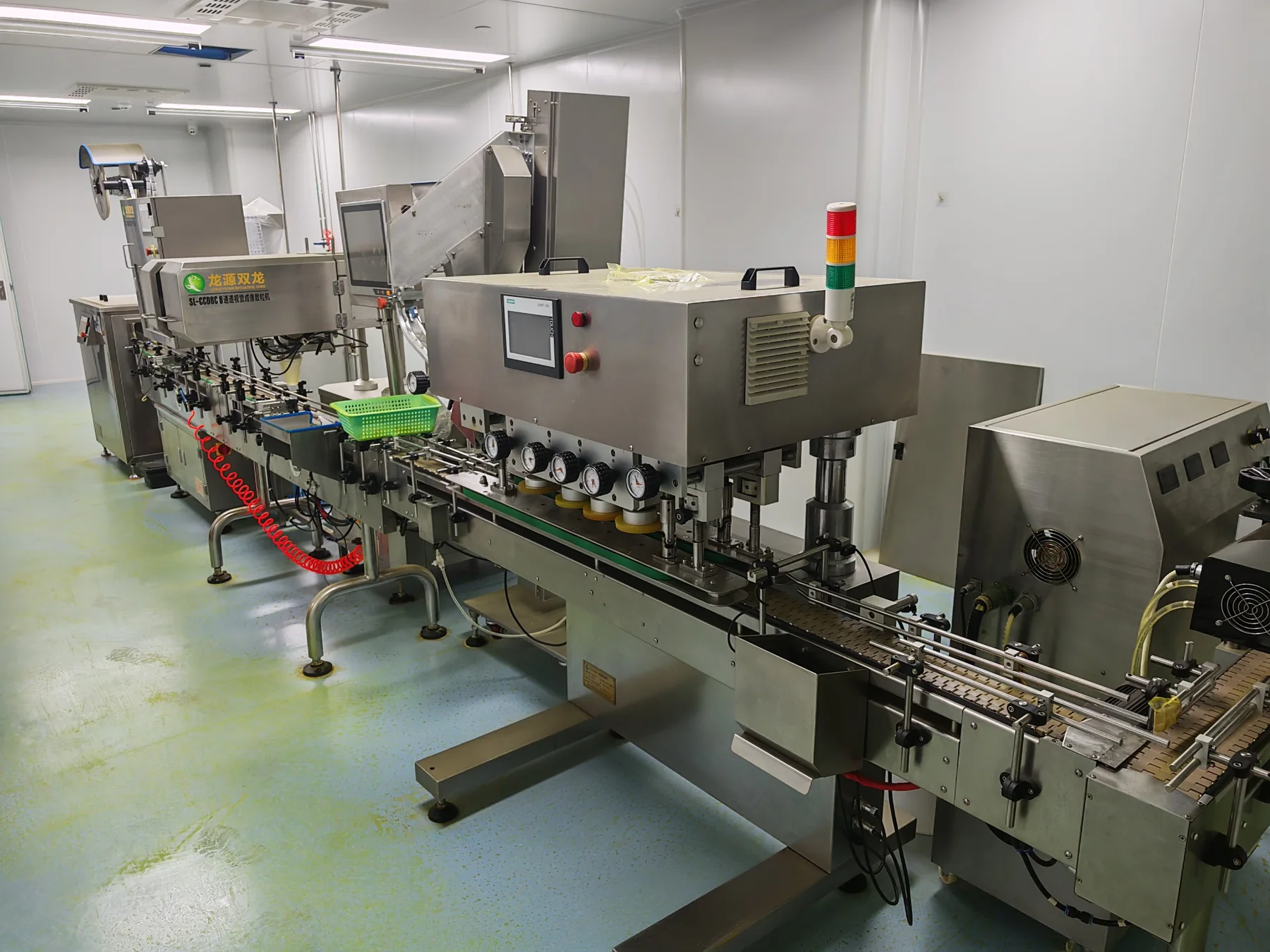
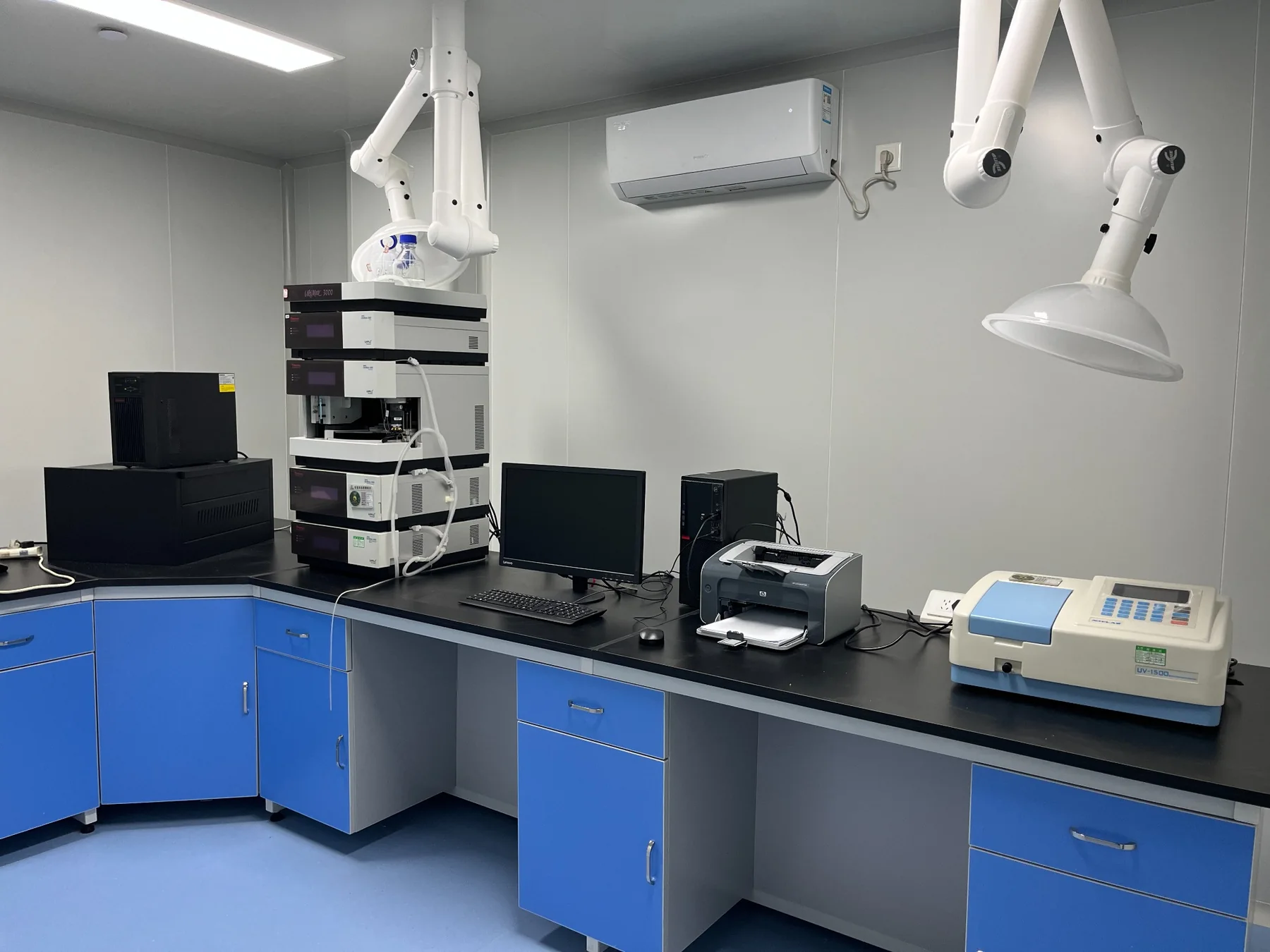
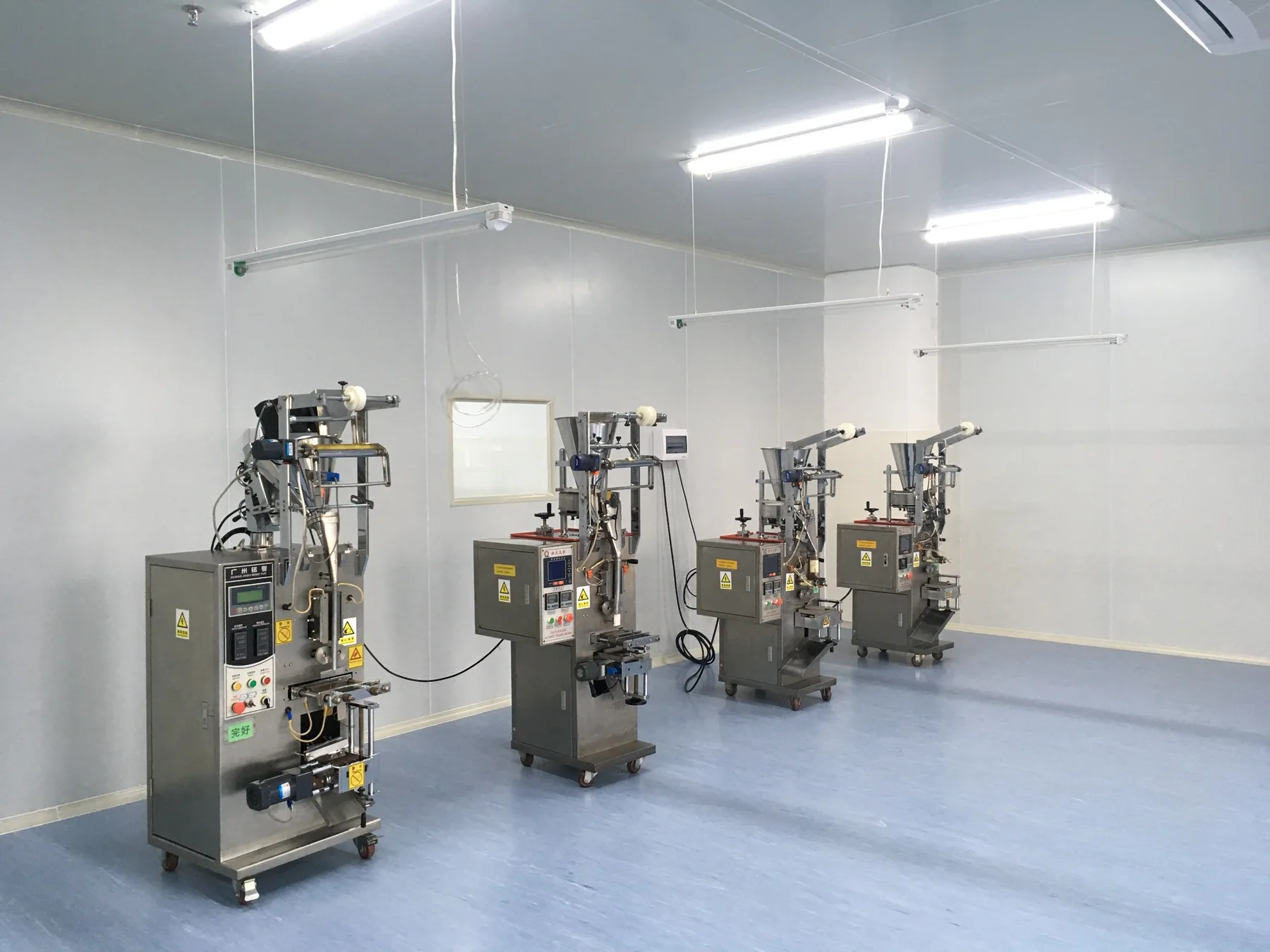
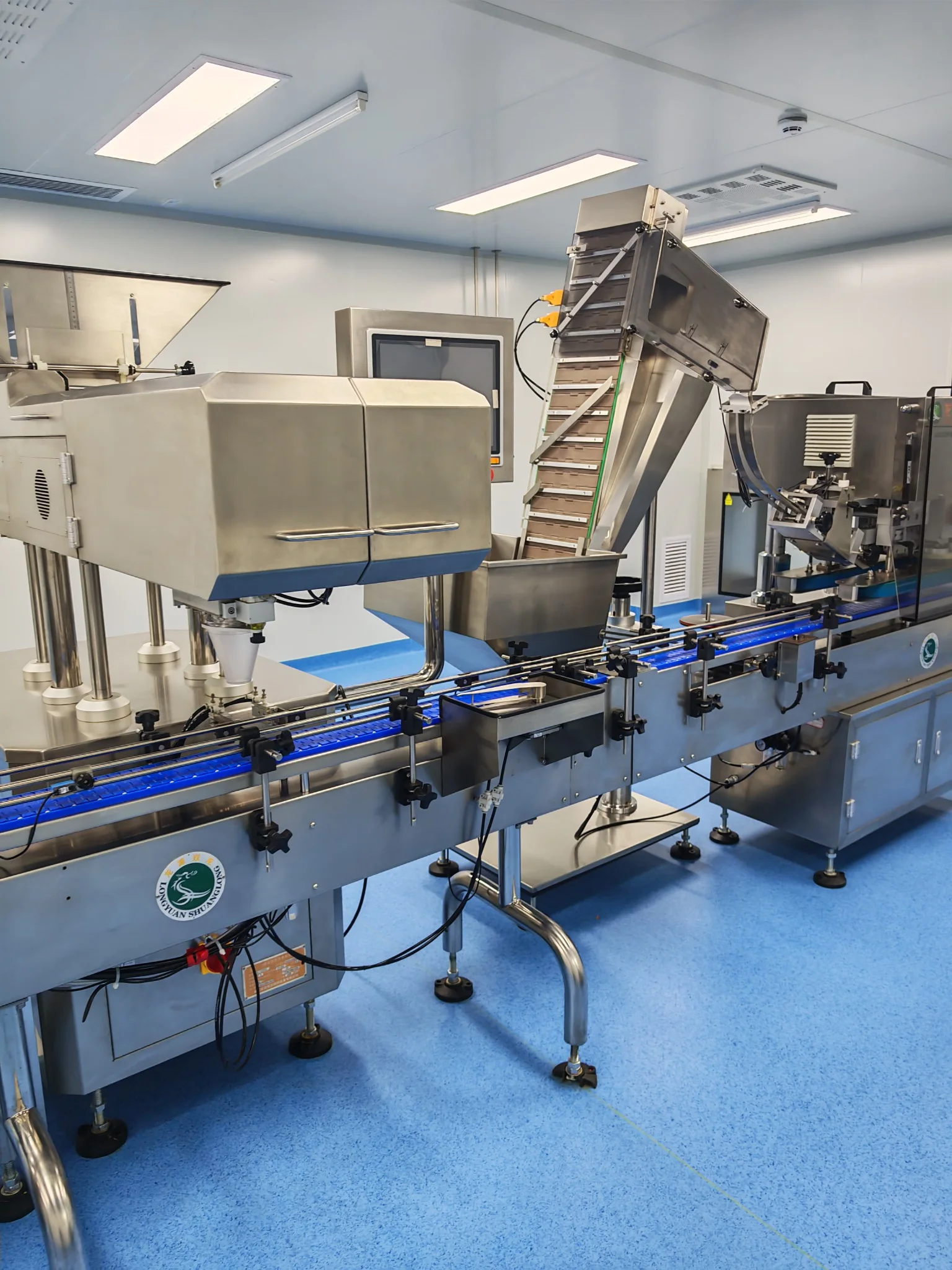
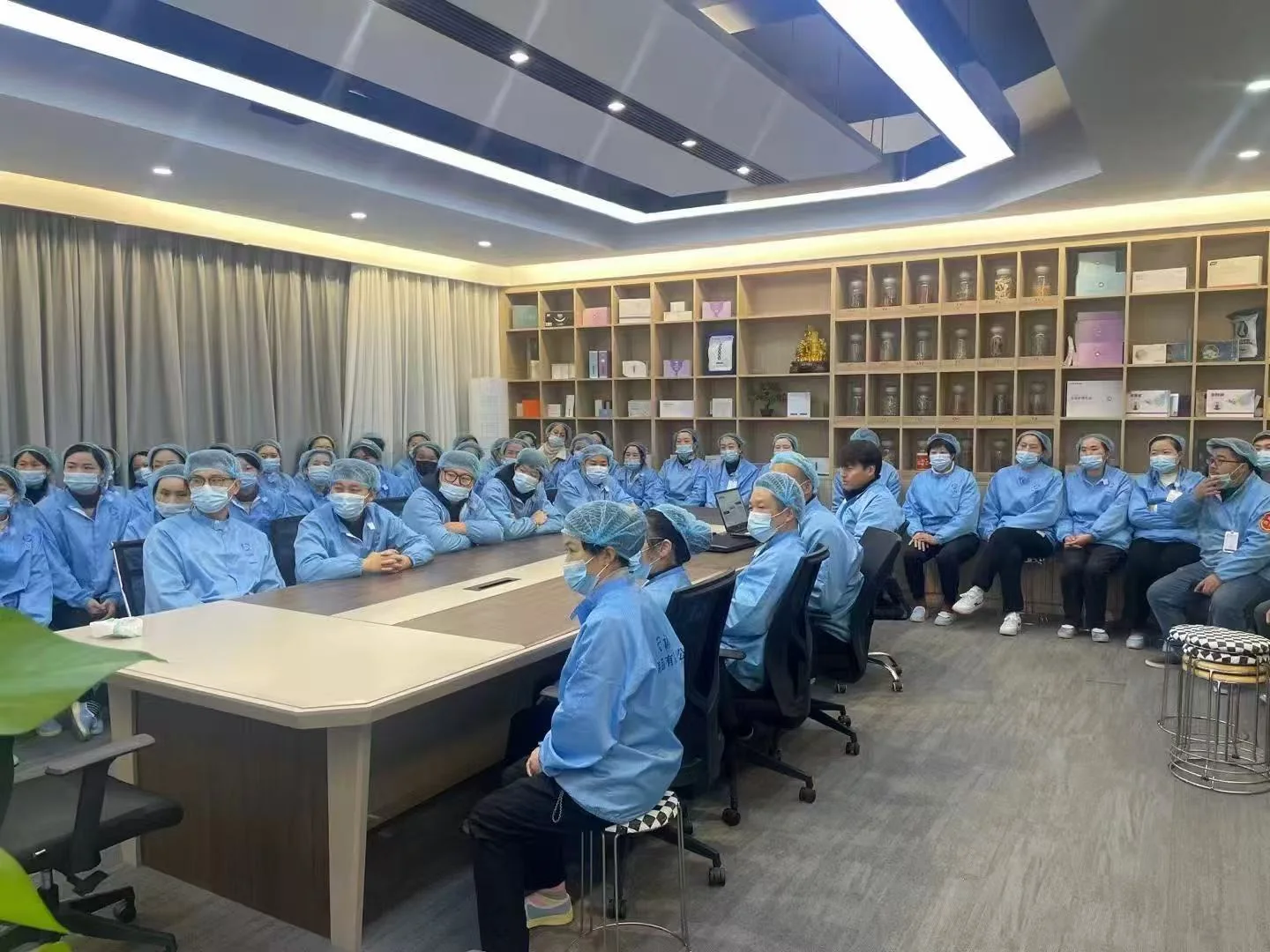
Manufacturing backed by a real production team.
These photos were supplied by SILKROAD LANTING and show our real factory environment. We use real facility evidence so buyers can verify the manufacturing team behind the product-development discussion.
Start from a real product, then customize if needed.
Our published catalog contains current products for sampling and private-label discussions. Open a product to review the dosage form, health direction and B2B options.
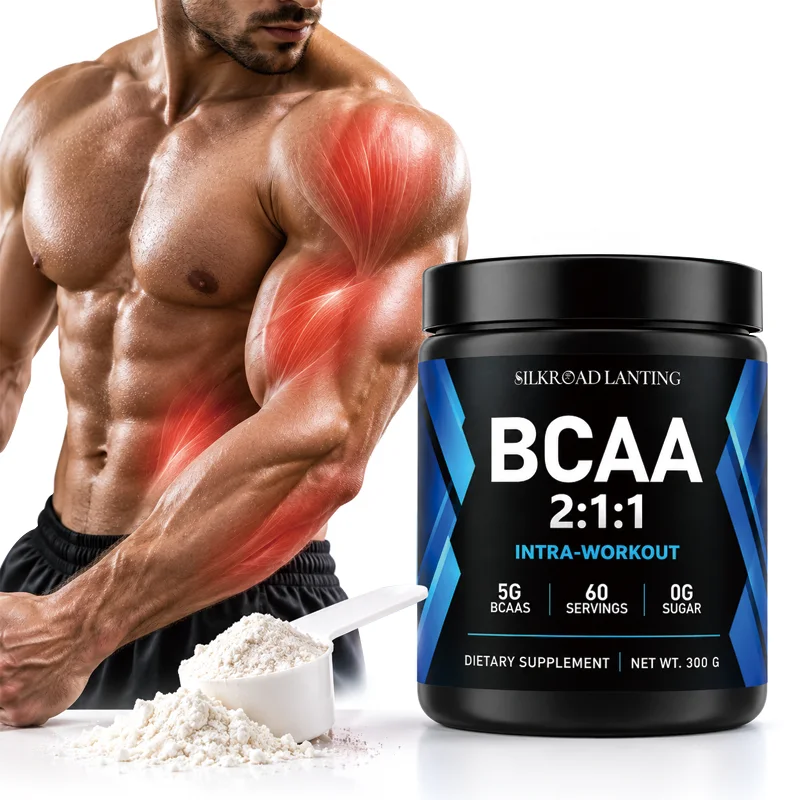
BCAA 2:1:1 Intra-Workout
View product →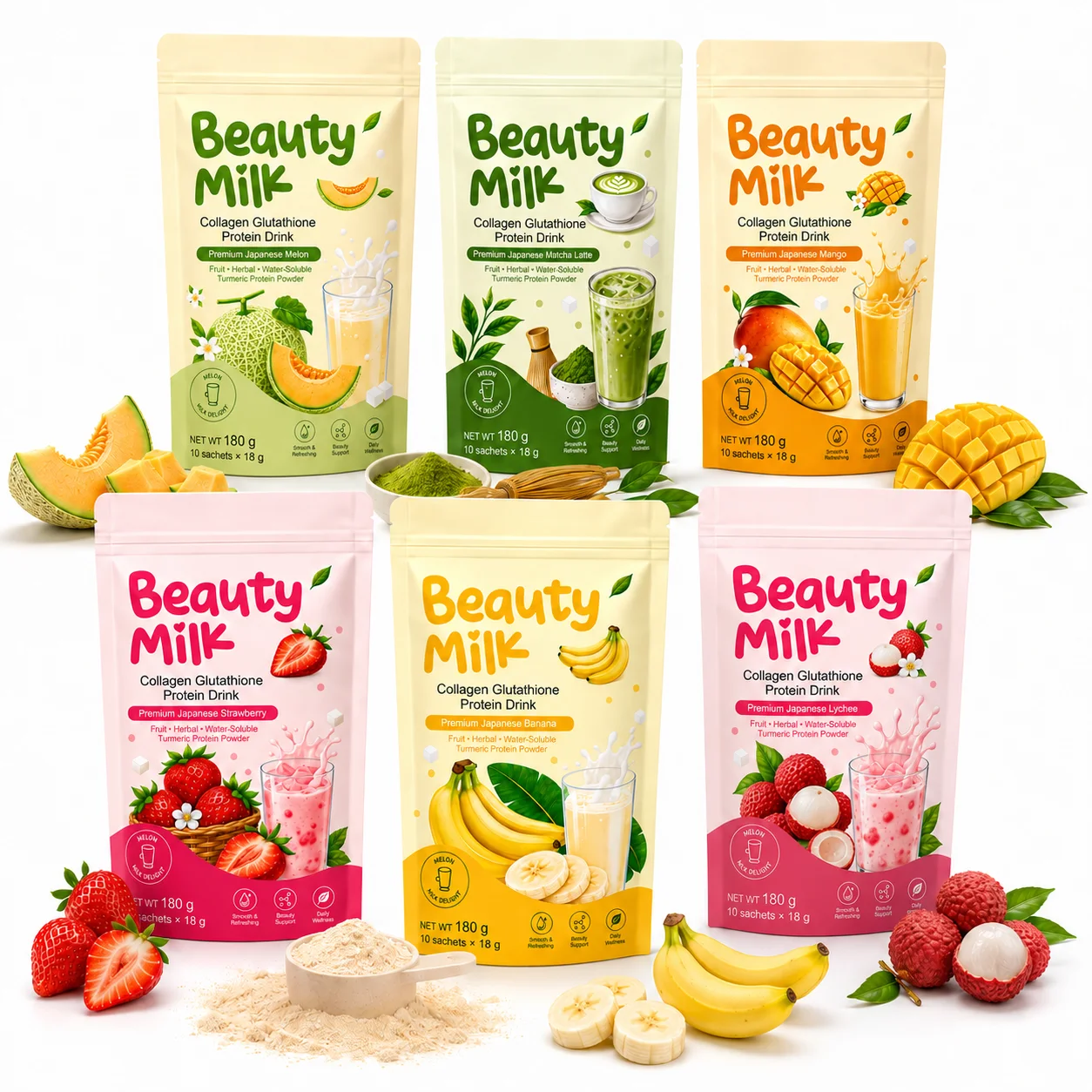
Beauty Milkshake Powder
Multi-Flavor Beauty Milkshake Powder offers a smooth and enjoyable milkshake experience for breakfast, afternoon refreshment, or everyday self-care routines.
View product →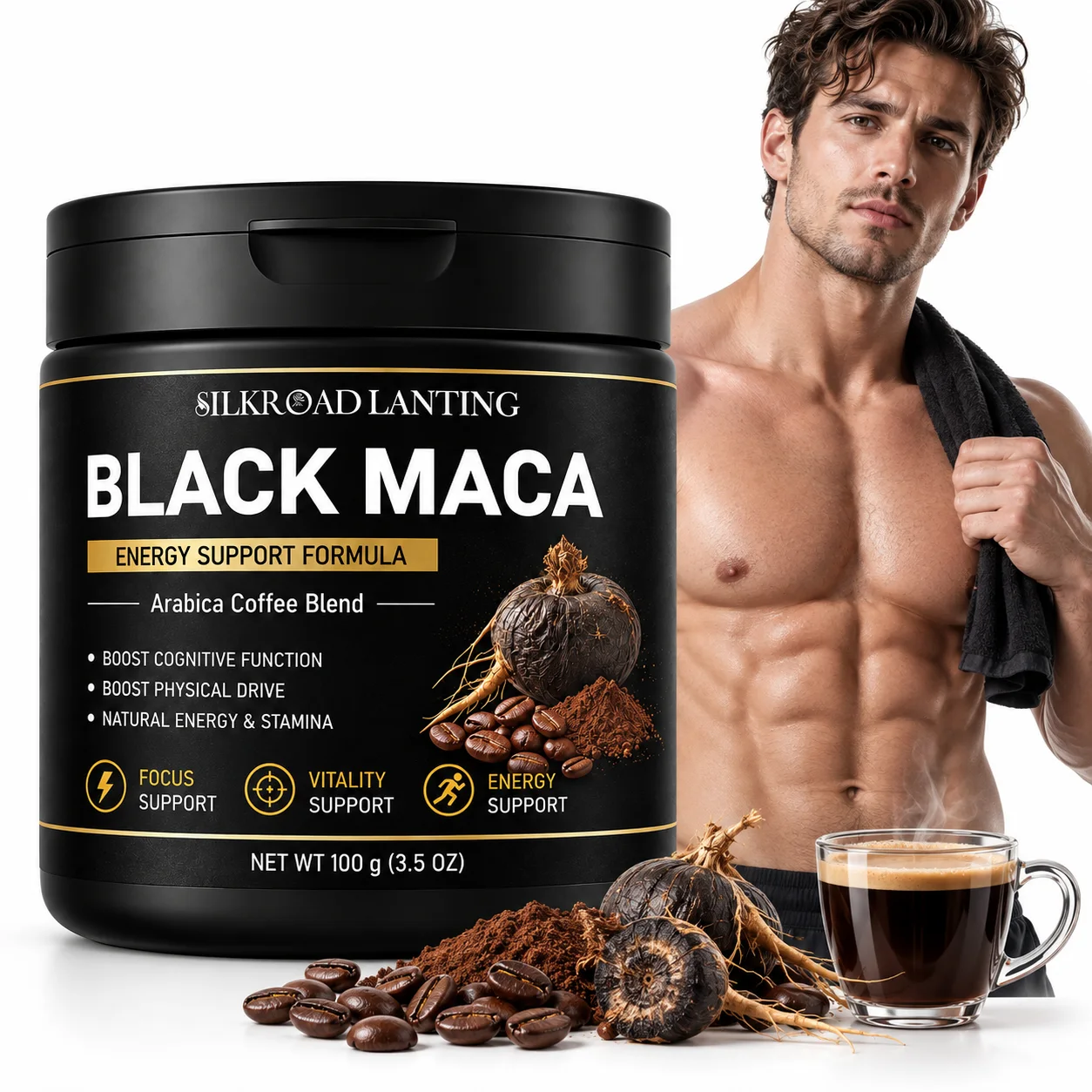
Black Maca Energy Coffee Powder
A functional coffee powder concept combining beverage positioning with botanicals.
View product →Request a sample and calculate your product cost.
Send the product name or reference, target market, estimated quantity and packaging idea. We can discuss a stock formula, formula adjustment or custom R&D route, then confirm sampling and manufacturing cost.