
Taste is one of the first things consumers notice when they use a protein powder. A formula can meet its nutrition target and still disappoint if it has an unpleasant aftertaste, poor mixability or an unsuitable texture.
For a supplement brand, protein powder flavor development should be treated as part of the complete formulation process.
1. Popular protein powder flavor directions
Chocolate
Chocolate is a familiar option for whey-based products. Cocoa powder and chocolate flavor systems can create different levels of richness, bitterness and sweetness.
Vanilla
Vanilla is versatile and can be used in simple formulas or as a base for other flavor concepts.
Strawberry
Strawberry is a common fruit-flavor direction. The final profile depends on the protein base, flavor ingredients and sweetener system.
Cookies and cream
This concept combines creamy notes with cookie-style flavor. The formula may need additional attention to texture and particle distribution.
Banana
Banana flavor can be used in mainstream sports nutrition concepts and may be paired with creamy or dessert-style notes.
Coffee and mocha
Coffee-inspired profiles can combine coffee notes with chocolate or vanilla. Solubility and bitterness should be reviewed in the complete formula.
Matcha
Matcha-inspired products may appeal to consumers who prefer tea-style flavor profiles. Ingredient quality and the balance between green tea notes and sweetness are important.
2. Why can protein powder taste bitter?
The natural flavor of the protein ingredient is one factor. Other possible influences include processing, mineral content, hydrolysis, flavor interactions and sweetener choice.
Hydrolyzed whey ingredients can have a bitter profile depending on their peptide characteristics. Some plant proteins can have earthy or beany notes.
The solution is not always to add more flavor. Ingredient selection and formula balance should be reviewed together.
3. How sweeteners affect the final taste
Sweeteners differ in sweetness intensity, onset, persistence and aftertaste. Possible options include sucralose, stevia, monk fruit and other permitted sweetening ingredients.
The right system depends on the target market, product positioning and complete formula. Claims such as sugar-free or no added sugar must be reviewed against the applicable rules and the finished formulation.
4. Texture is part of flavor acceptance
Consumers also notice creaminess, smoothness, thickness, foam and powder dispersibility. A chocolate formula may behave differently from a fruit-flavored formula because of the ingredients used.
Evaluate the product using the recommended liquid volume, serving size and mixing method.
5. A practical flavor development process
- Select the protein ingredient and confirm its specification.
- Choose the flavor direction and desired sweetness level.
- Prepare sample variations using controlled changes.
- Evaluate aroma, taste, aftertaste, texture and mixability.
- Collect feedback from the target customer group.
- Adjust the formula and document each sample version.
- Confirm the final approved sample before production.
6. Build a flavor range strategically
A brand does not need to launch every possible flavor at once. Start with a small number of well-defined options, evaluate customer response and expand based on actual demand.
Possible concepts include chocolate hazelnut, salted caramel, mocha coffee, strawberry milk, banana cream and matcha latte. These are development directions, not guaranteed ready-made formulas.
7. Develop custom protein flavors with a manufacturing partner
Silkroad Lanting Biotech welcomes B2B discussions about protein ingredient selection, flavor development, sample evaluation and customized packaging.
Visit our Private Label Whey Protein Powder page or send a protein flavor inquiry.
Share your protein source, preferred flavors, sweetness direction, target market and estimated quantity.
*Final flavor availability and sensory performance must be confirmed through actual sample evaluation.*
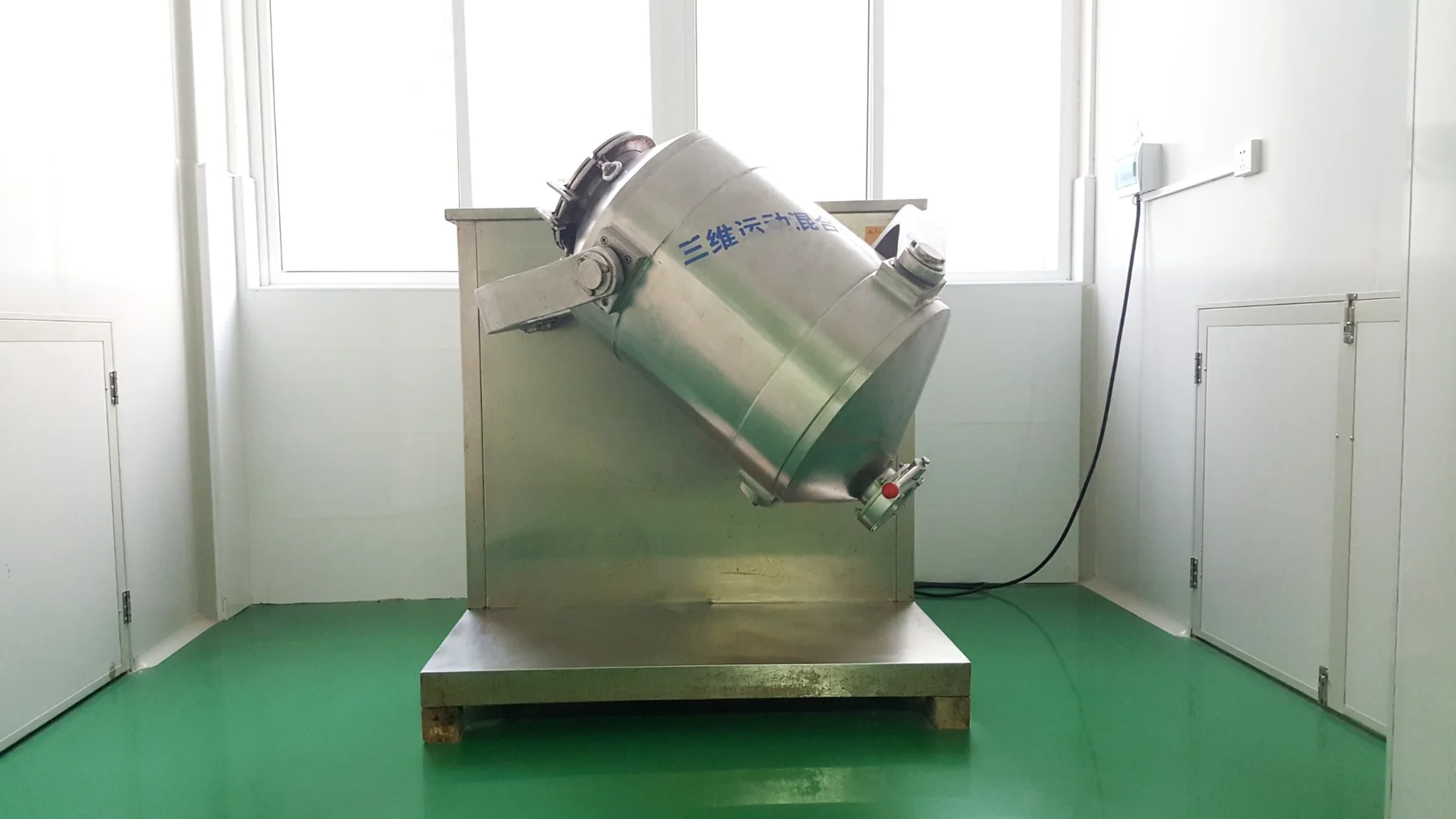
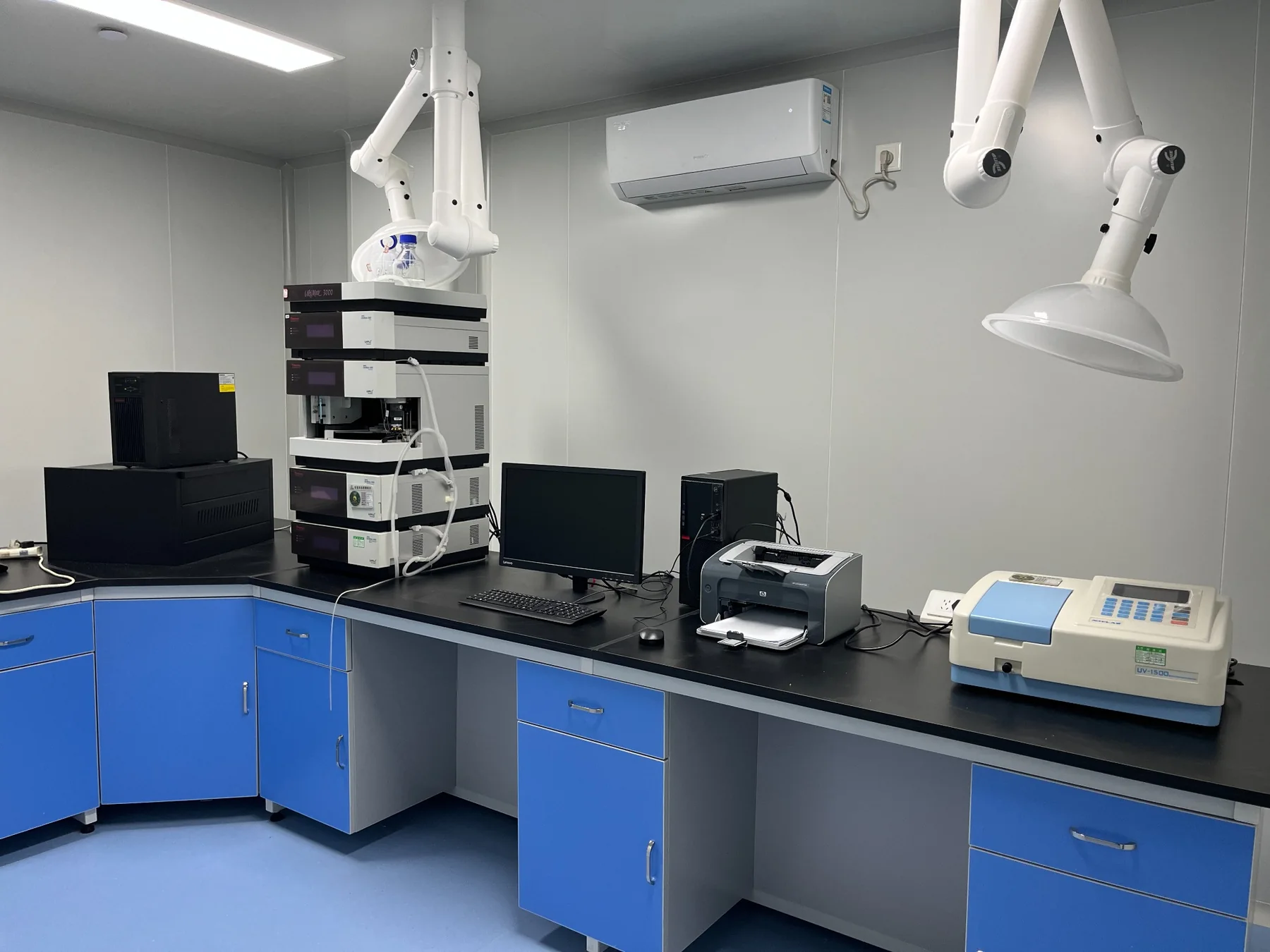
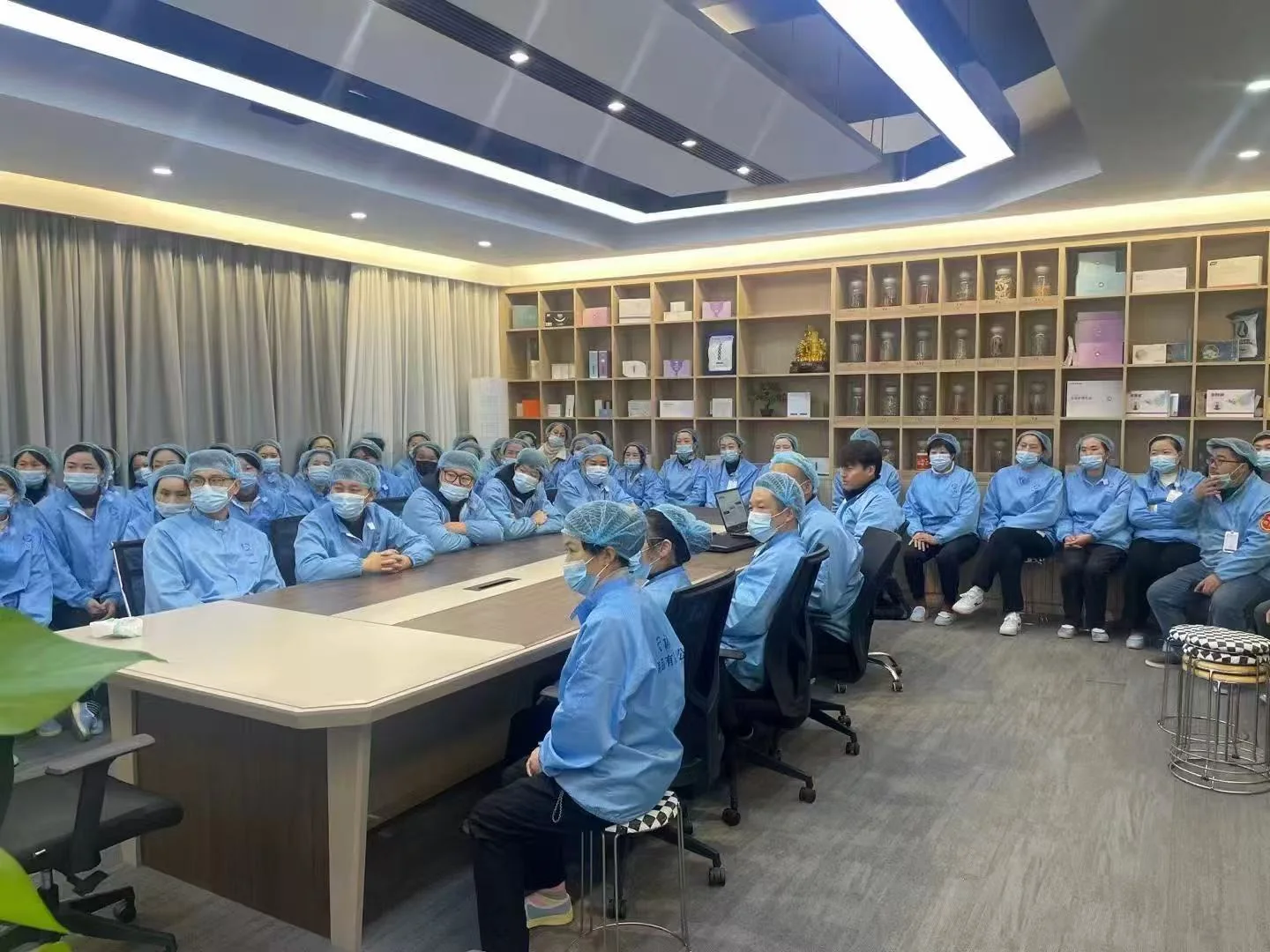
Manufacturing backed by a real production team.
These photos were supplied by SILKROAD LANTING and show our real factory environment. We use real facility evidence so buyers can verify the manufacturing team behind the product-development discussion.
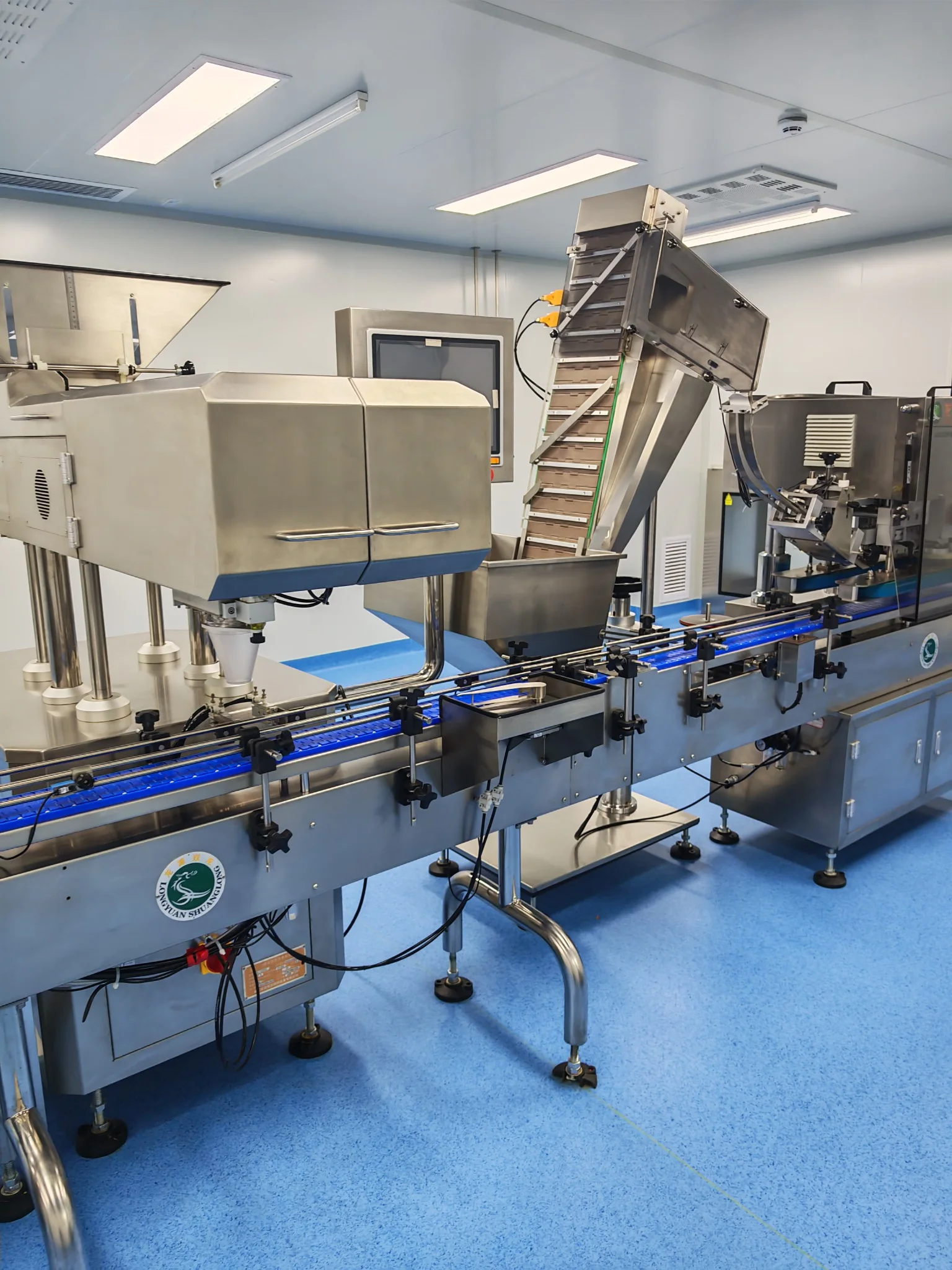
Start from a real product, then customize if needed.
Our published catalog contains current products for sampling and private-label discussions. Open a product to review the dosage form, health direction and B2B options.
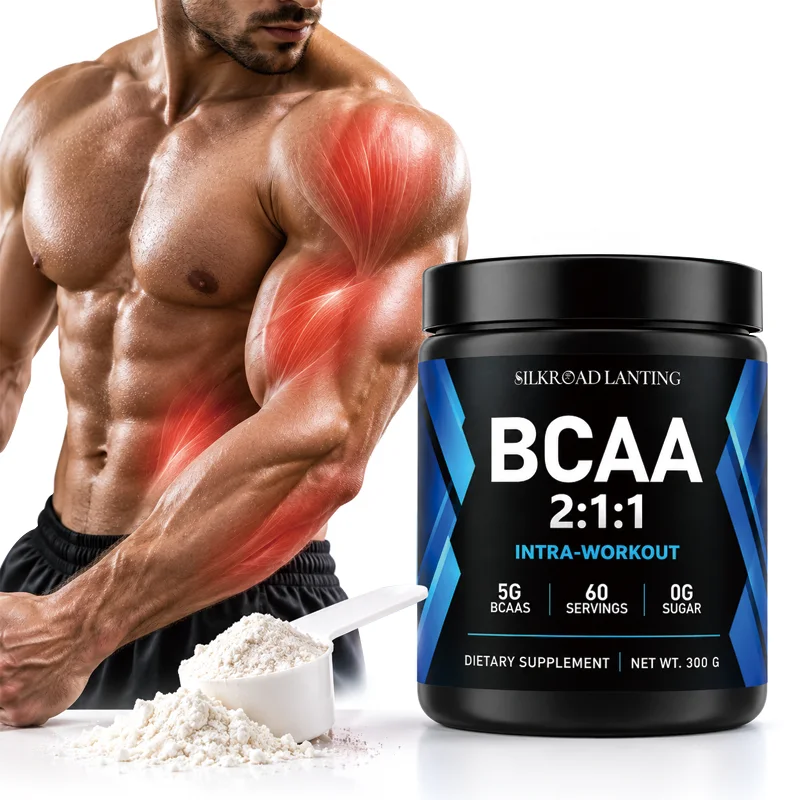
BCAA 2:1:1 Intra-Workout
View product →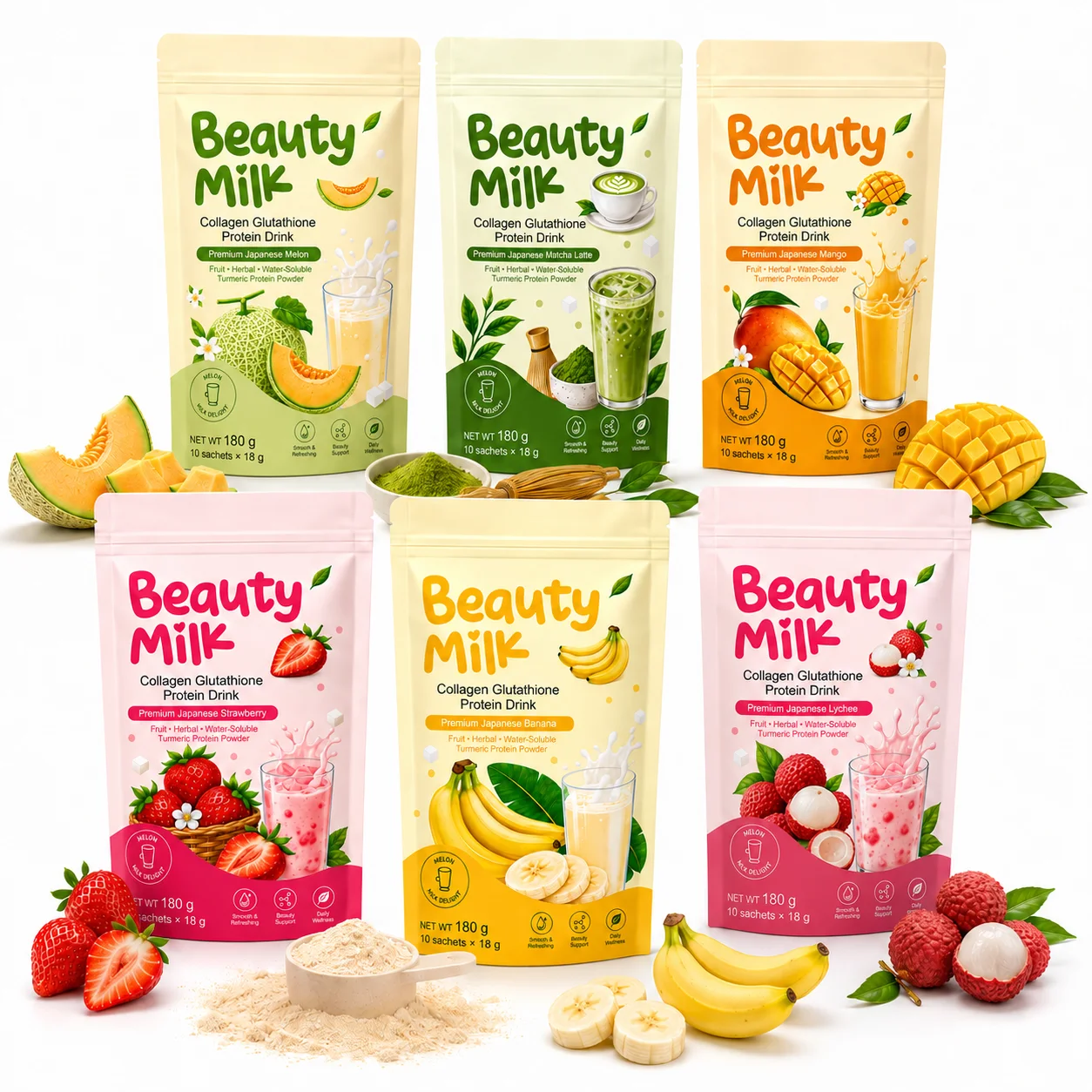
Beauty Milkshake Powder
Multi-Flavor Beauty Milkshake Powder offers a smooth and enjoyable milkshake experience for breakfast, afternoon refreshment, or everyday self-care routines.
View product →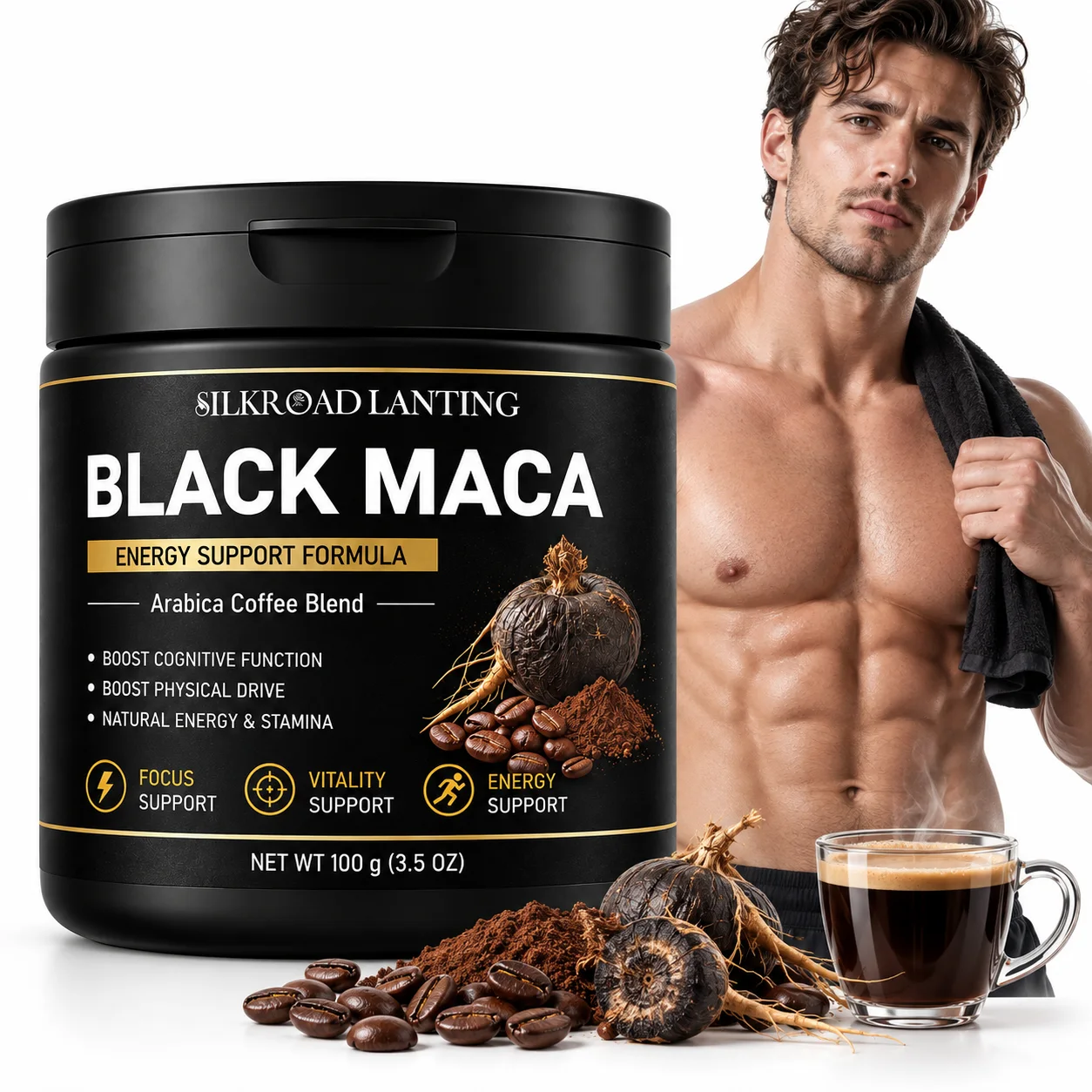
Black Maca Energy Coffee Powder
A functional coffee powder concept combining beverage positioning with botanicals.
View product →Request a sample and calculate your product cost.
Send the product name or reference, target market, estimated quantity and packaging idea. We can discuss a stock formula, formula adjustment or custom R&D route, then confirm sampling and manufacturing cost.