
When launching a protein powder product, brands often compare OEM and ODM manufacturing. Both models allow businesses to work with a manufacturing partner instead of operating their own production facility, but the project responsibilities can differ.
The exact meaning and scope should always be written into the project agreement.
1. What is protein powder OEM?
In a typical OEM project, the customer provides the product specifications or an agreed formula. The manufacturer evaluates whether the requirements can be produced and then manufactures according to the confirmed specification.
A customer brief may include:
- Protein ingredient and grade
- Ingredient proportions
- Target protein content
- Serving size
- Flavor and sweetener requirements
- Packaging type and net weight
- Label artwork and market requirements
The manufacturer should confirm technical feasibility before accepting the specification.
2. What is protein powder ODM?
In a typical ODM project, the manufacturing partner contributes more to product development. Depending on the agreed service scope, this may include ingredient recommendations, formula development, flavor options, sample preparation and packaging suggestions.
The customer provides the product concept, target market and commercial requirements, then reviews and approves the proposed specification.
Formula ownership, confidentiality and intellectual property arrangements should be agreed in writing.
3. OEM and ODM compared
OEM may be suitable when:
- The brand already has an approved formula.
- Nutritional specifications are defined.
- The customer has clear packaging requirements.
- The project mainly needs manufacturing against a confirmed brief.
ODM may be suitable when:
- The brand has a product idea but no finalized formula.
- Ingredient selection needs support.
- Flavor development is required.
- The customer wants help coordinating sample and packaging decisions.
Some projects combine both models: a customer may provide a reference formula but request adjustments to flavor, serving size or packaging.
4. What information should a buyer prepare?
To help the manufacturer evaluate the project, provide:
- Product type and target market
- Protein source and ingredient reference
- Target protein grams per serving
- Serving size and net weight
- Flavor and sweetener preferences
- Packaging type
- Estimated order quantity
- Existing formula or reference product, if available
5. How does an OEM/ODM project move forward?
A typical sequence is:
Product brief → Formula review → Sample development → Sample approval → Packaging confirmation → Quotation and production planning → Manufacturing → Quality review and delivery
Each stage should have documented decisions. This reduces misunderstandings about formula changes, packaging components, testing and delivery.
6. What should be included in the quotation?
Ask the supplier to clarify product cost, ingredient cost assumptions, packaging, label printing, sampling, testing, MOQ, production lead time, shipping terms and payment terms.
Do not compare quotations until the formula, pack size, quantity and included services are aligned.
7. Choose the right development route
The best route depends on how much of the product has already been defined. OEM can be efficient when the formula is ready. ODM can be helpful when the brand needs product development support. Neither model removes the need for sample approval, quality review and market-specific label review.
Discuss your protein powder OEM/ODM project
Silkroad Lanting Biotech supports health supplement product development, OEM/ODM cooperation and customized packaging discussions.
Explore our Private Label Whey Protein Powder page or submit a project brief.
*Manufacturing feasibility, formula responsibilities, ownership, quality requirements and delivery schedules are confirmed for each project.*
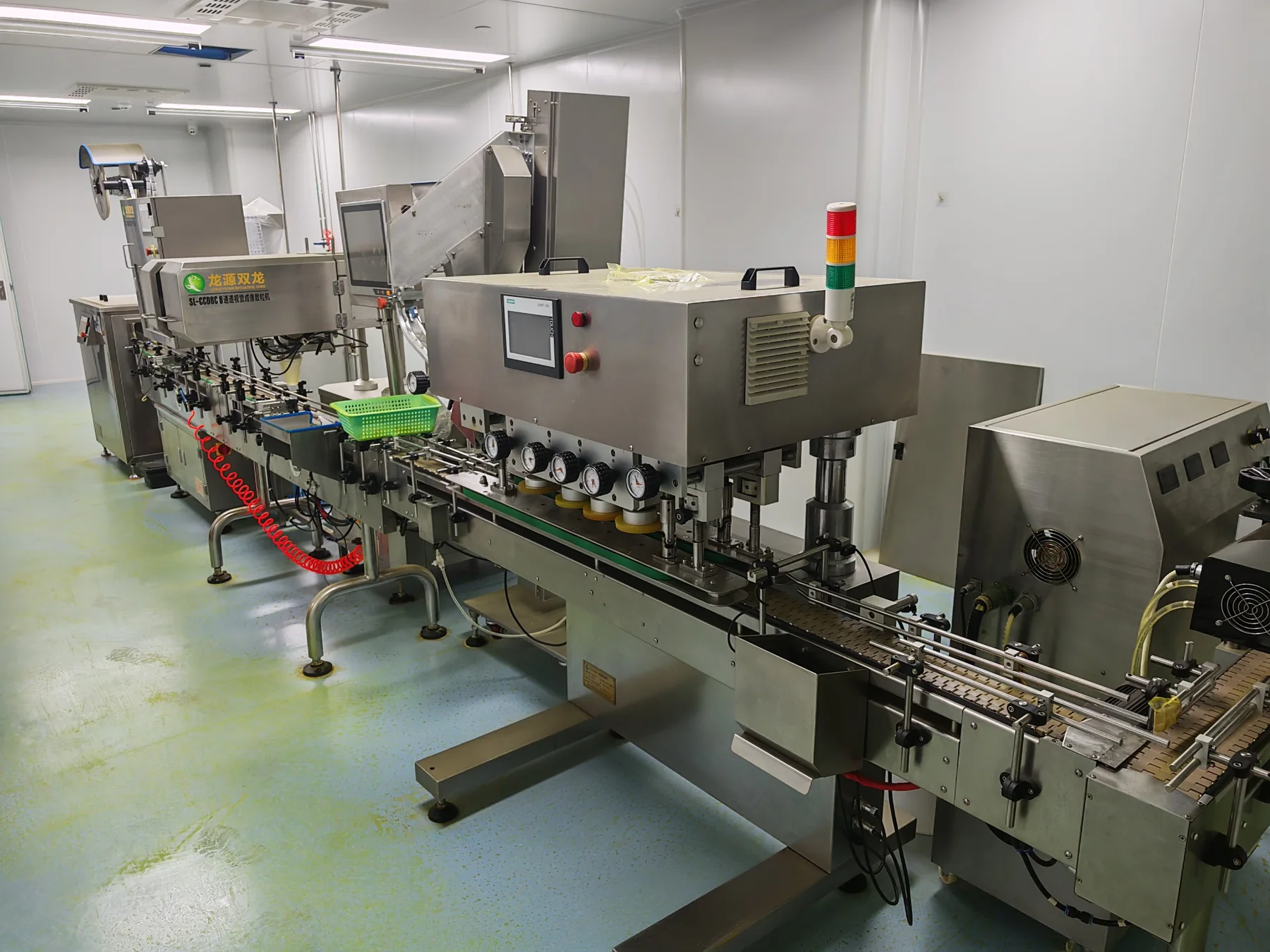
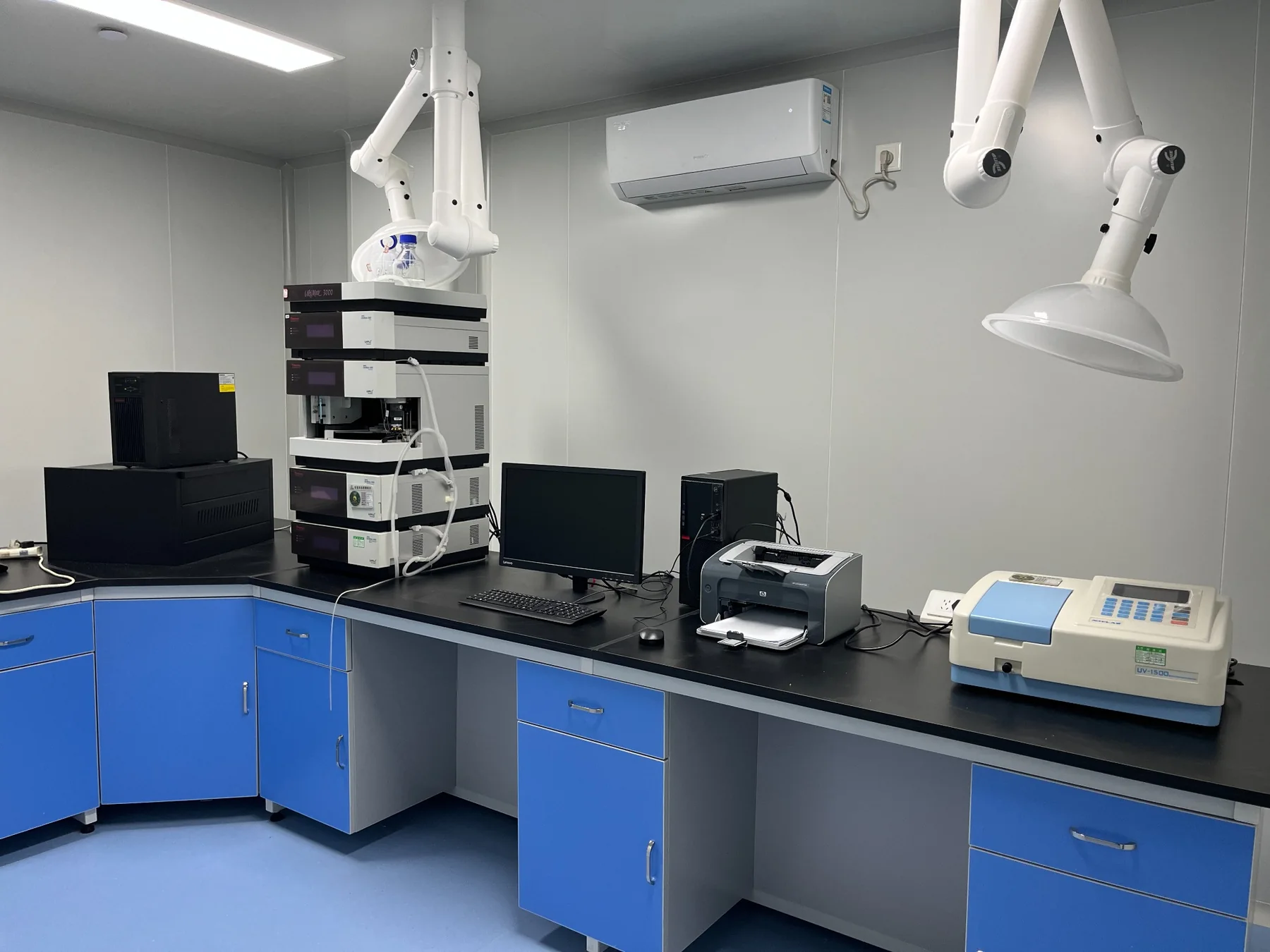
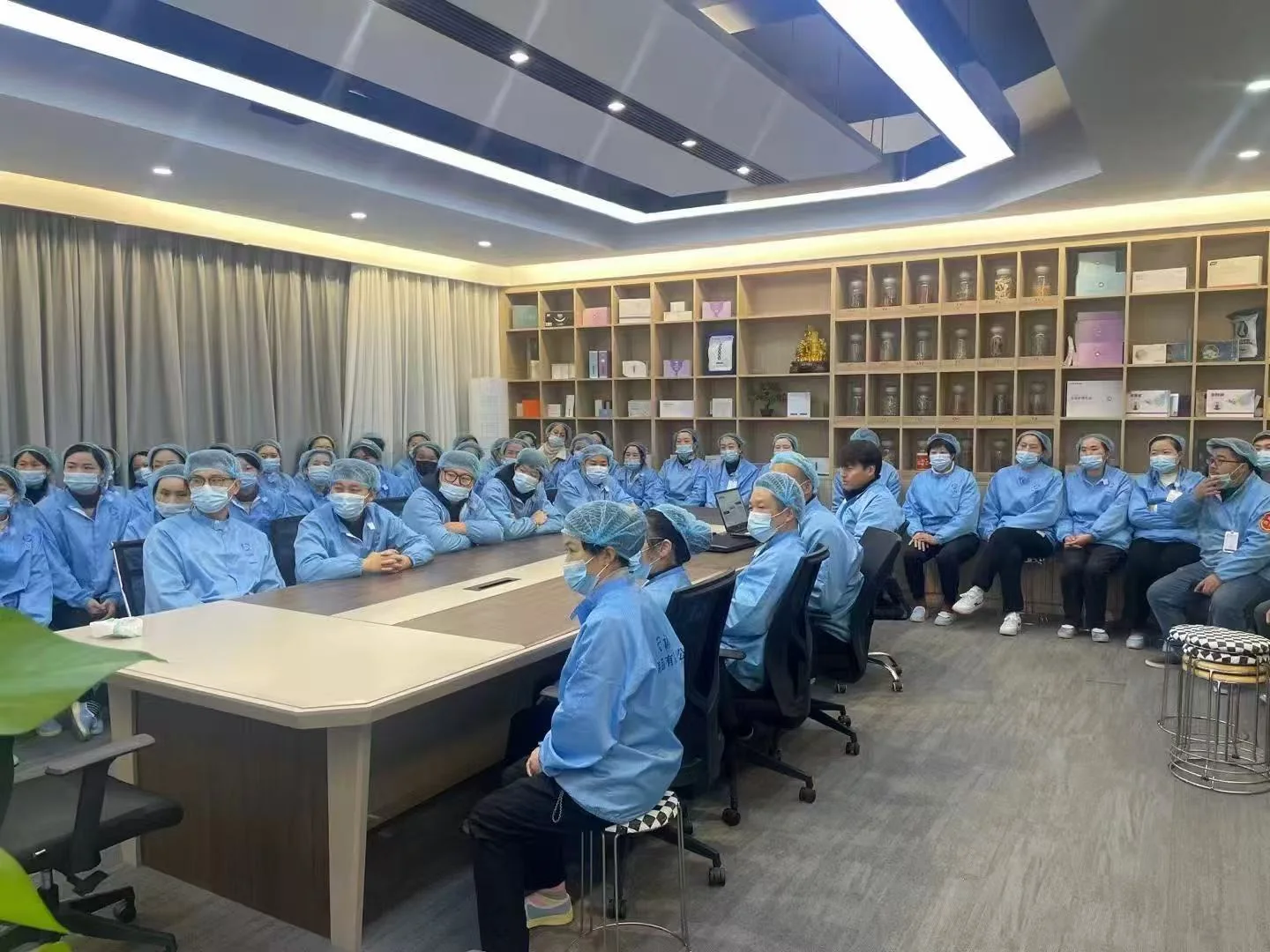
Manufacturing backed by a real production team.
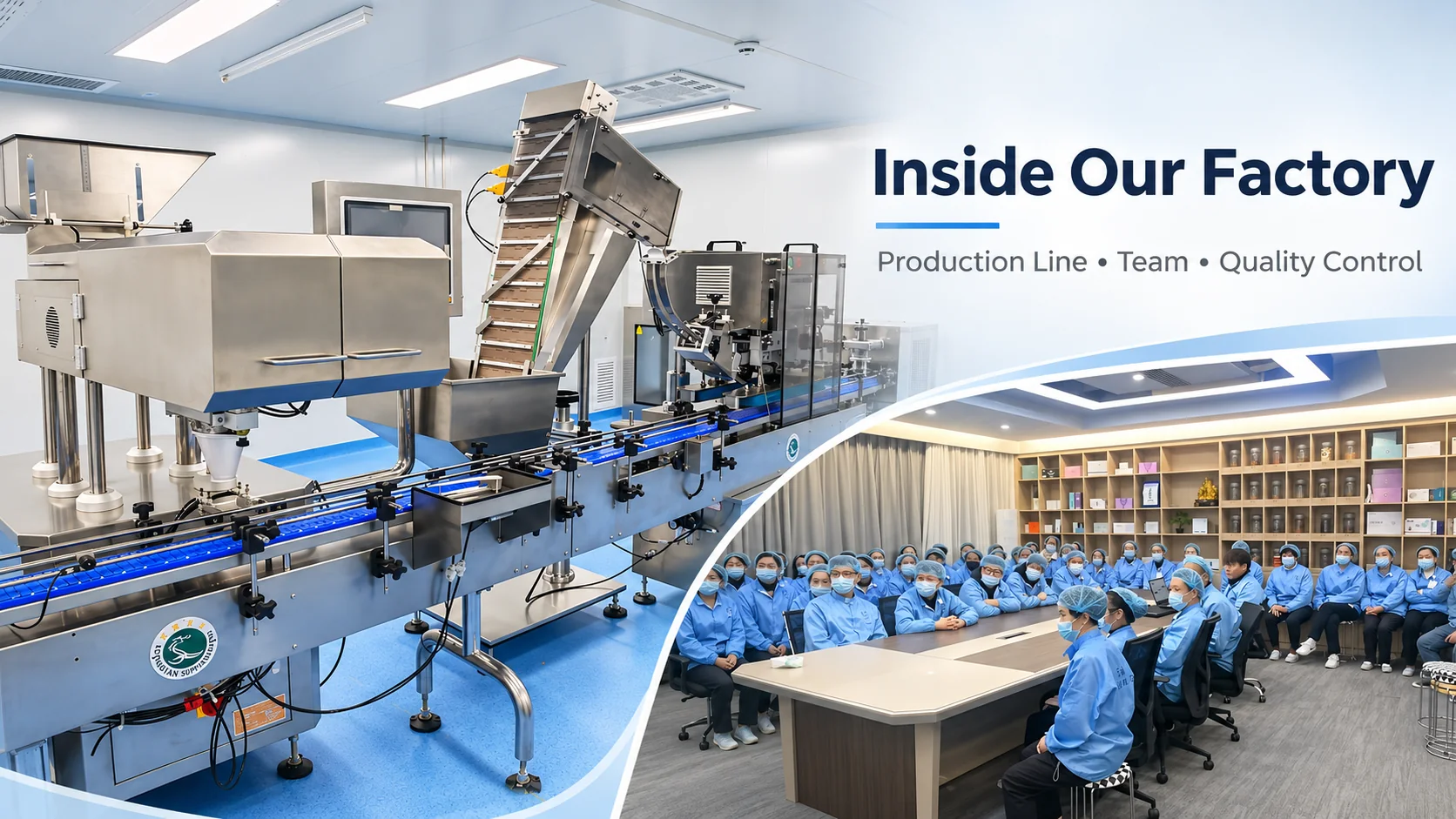
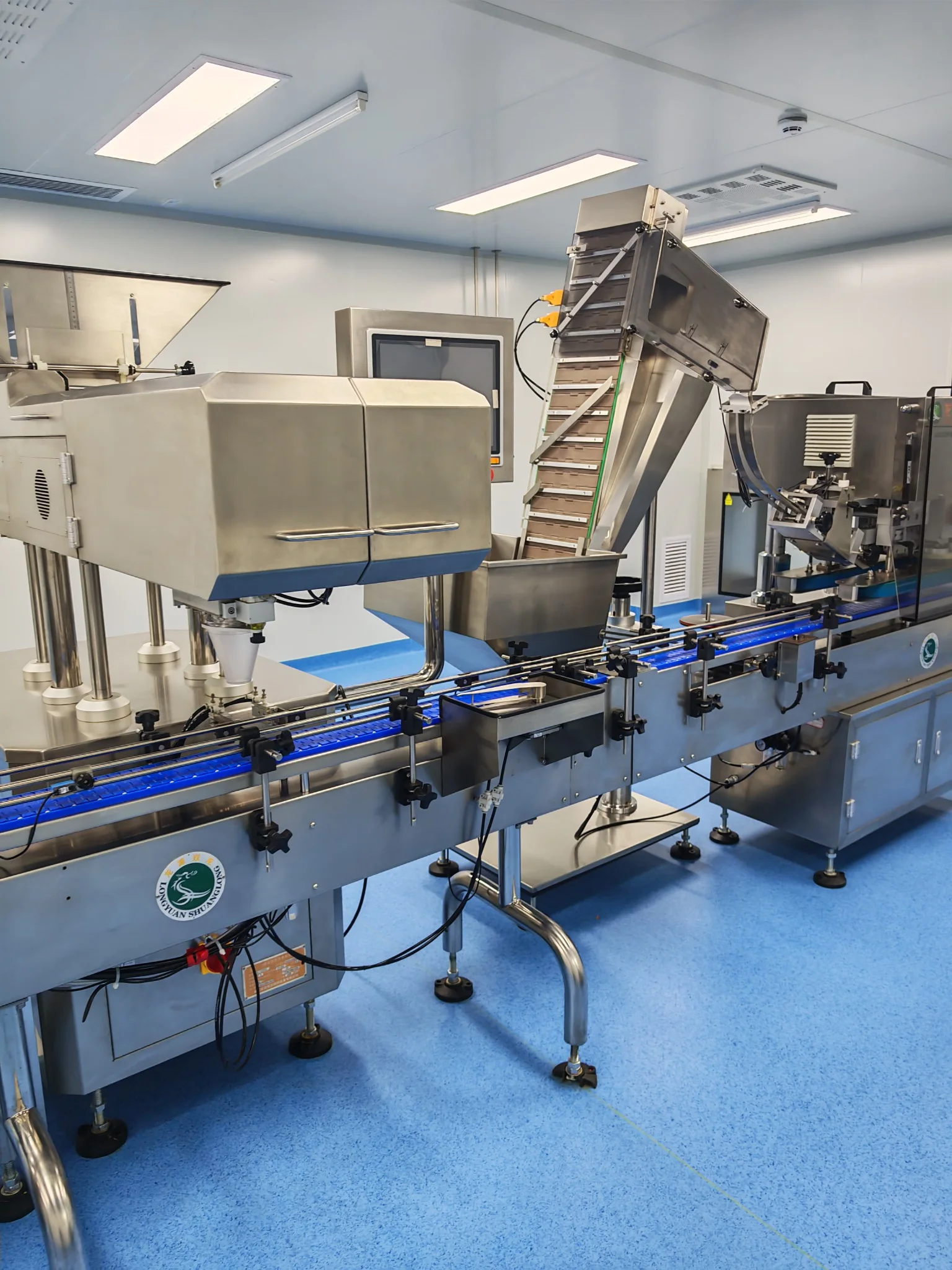
These photos were supplied by SILKROAD LANTING and show our real factory environment. We use real facility evidence so buyers can verify the manufacturing team behind the product-development discussion.
Start from a real product, then customize if needed.
Our published catalog contains current products for sampling and private-label discussions. Open a product to review the dosage form, health direction and B2B options.
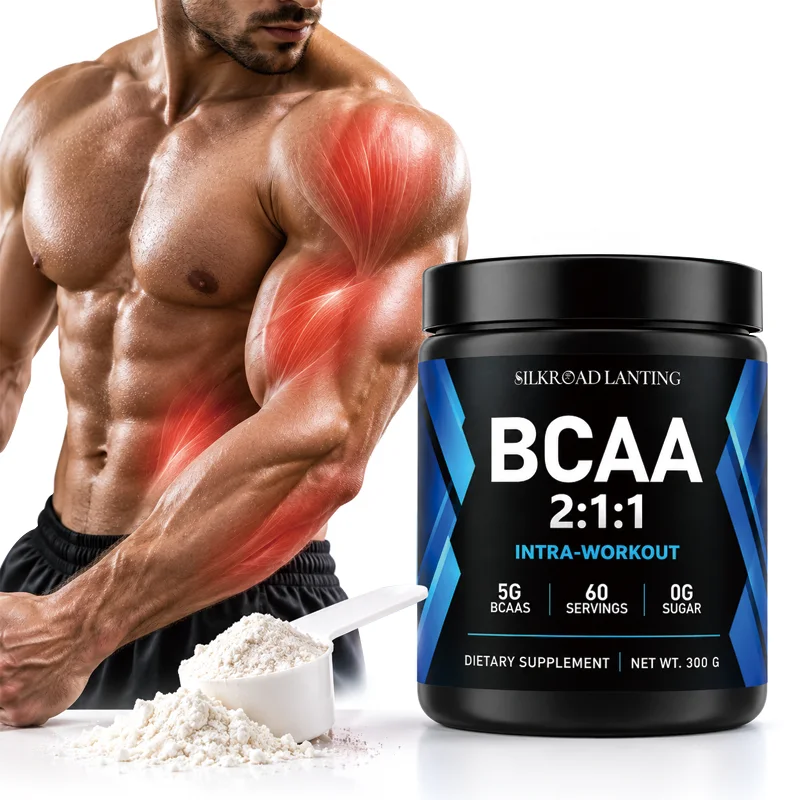
BCAA 2:1:1 Intra-Workout
View product →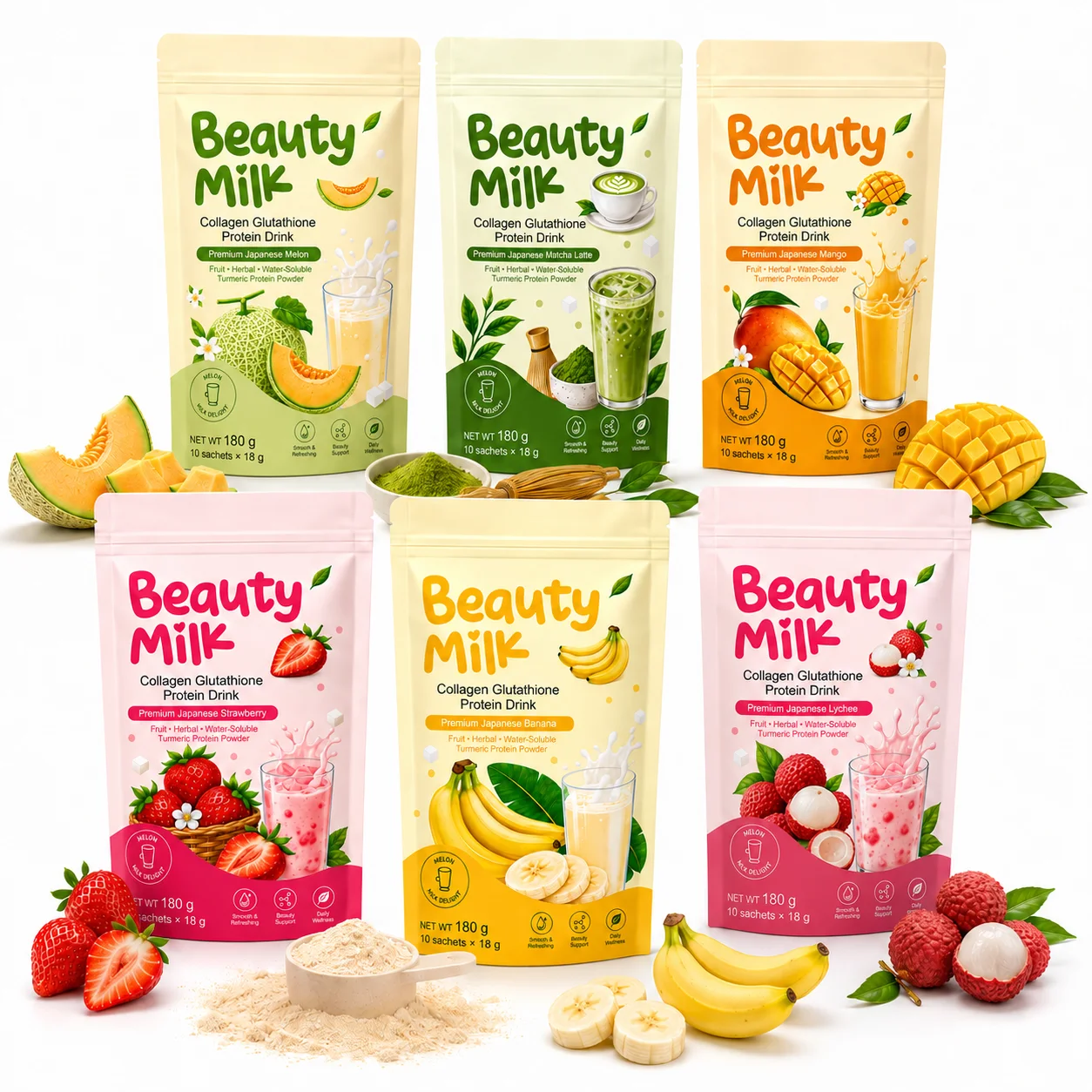
Beauty Milkshake Powder
Multi-Flavor Beauty Milkshake Powder offers a smooth and enjoyable milkshake experience for breakfast, afternoon refreshment, or everyday self-care routines.
View product →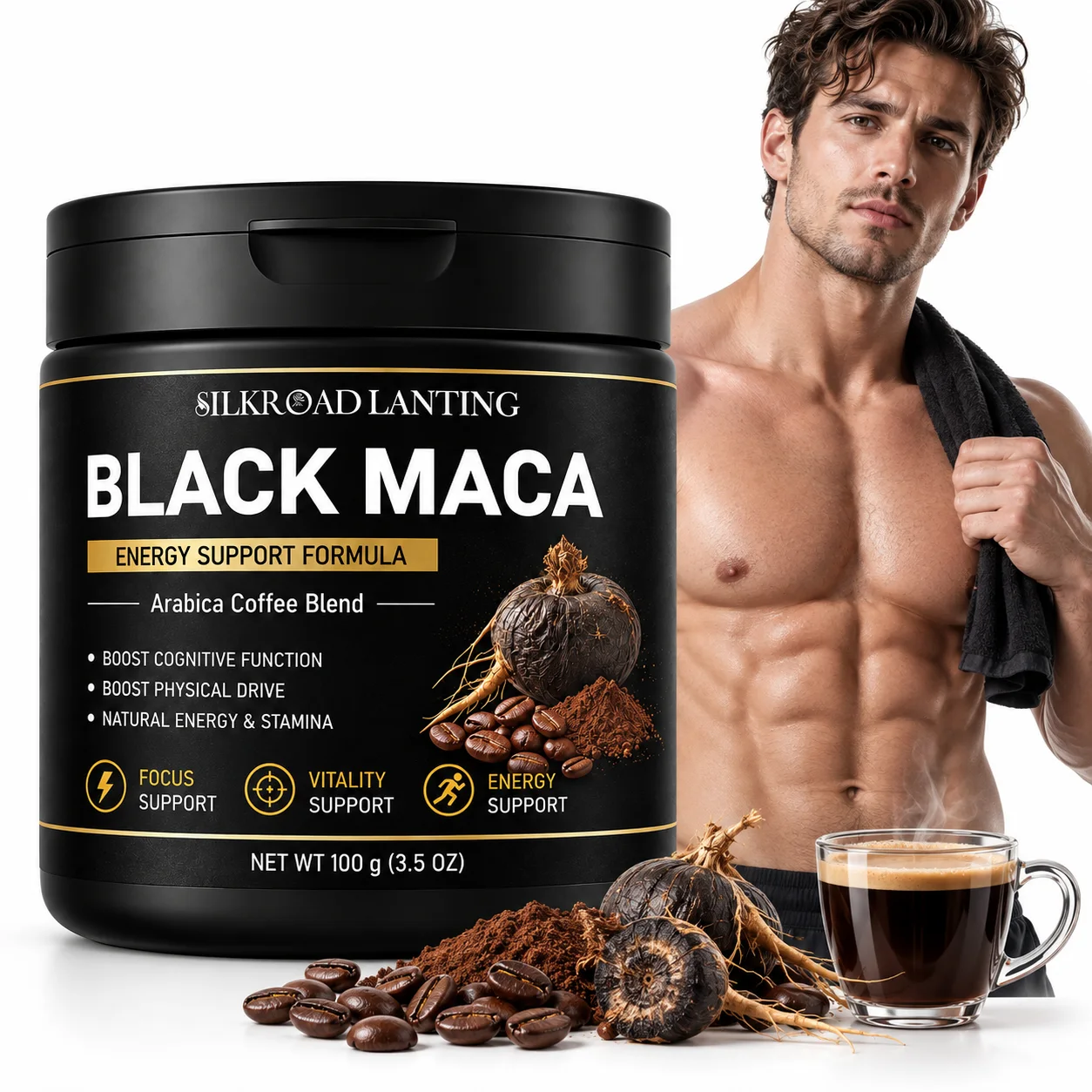
Black Maca Energy Coffee Powder
A functional coffee powder concept combining beverage positioning with botanicals.
View product →Request a sample and calculate your product cost.
Send the product name or reference, target market, estimated quantity and packaging idea. We can discuss a stock formula, formula adjustment or custom R&D route, then confirm sampling and manufacturing cost.