
Packaging is part of protein powder product development. It protects the powder, supports storage and shipping, communicates required product information and helps establish a recognizable brand identity.
For B2B buyers, the right packaging depends on the formula, net weight, sales channel, target market and first-order quantity.
1. Plastic protein powder tubs
Rigid tubs are familiar in sports nutrition retail. They can provide space for a label, a scoop and a resealable closure.
Before choosing a tub, confirm the material, dimensions, cap, inner seal, scoop size, label area and compatibility with the powder. The packaging should be suitable for the product and intended storage conditions.
2. Resealable pouches
Stand-up pouches can be lightweight and space-efficient. They are often considered for e-commerce and brands that want flexible packaging.
Important details include laminate structure, moisture and oxygen barrier requirements, zipper quality, heat seal, pouch dimensions and filling compatibility.
3. Individual sachets
Single-serving sachets can support trial packs, travel products, subscription boxes or convenient single portions.
The buyer should confirm fill weight, sachet dimensions, film specification, tear notch, printing, carton arrangement and minimum order requirements.
4. Bulk packaging
Bulk bags may be considered for distributors or businesses purchasing larger quantities for further processing or repackaging. Food-contact suitability, inner liner, closure and transport protection should be confirmed.
5. Packaging specifications to confirm
- Net weight and serving count
- Tub, pouch, sachet or bulk format
- Food-contact packaging material
- Moisture barrier and other relevant barrier properties
- Closure and inner seal
- Scoop inclusion and scoop size
- Label or printed-packaging requirements
- Carton and shipping protection
6. Label information
A protein powder label may need the brand and product name, net weight, serving size, nutrition information, ingredient list, allergen declaration, directions, storage instructions and responsible business information.
The exact requirements depend on the destination market and product classification. Nutrition values and claims must be supported by appropriate information and reviewed before printing.
7. Match packaging to the sales channel
Retail
Consider shelf presentation, readability, durability and consumer convenience.
E-commerce
Consider parcel handling, shipping protection, package dimensions and storage efficiency.
Gyms and fitness businesses
Tubs, pouches and single servings may suit different customer routines.
Wholesale
Consider palletization, carton strength, warehouse storage and handling.
8. Request a packaging quotation
Provide the packaging reference, net weight, material preference, label artwork, estimated quantity and destination market. Ask the supplier to separate packaging cost, printing cost, setup charges and any component MOQ.
Discuss protein powder packaging with Silkroad Lanting
Silkroad Lanting Biotech supports supplement product development, OEM/ODM cooperation and customized packaging discussions for overseas brands and B2B buyers.
See our Private Label Whey Protein Powder service or request packaging and project information.
*Packaging selection must be checked for product compatibility, applicable food-contact requirements and the intended distribution conditions.*
Manufacturing backed by a real production team.
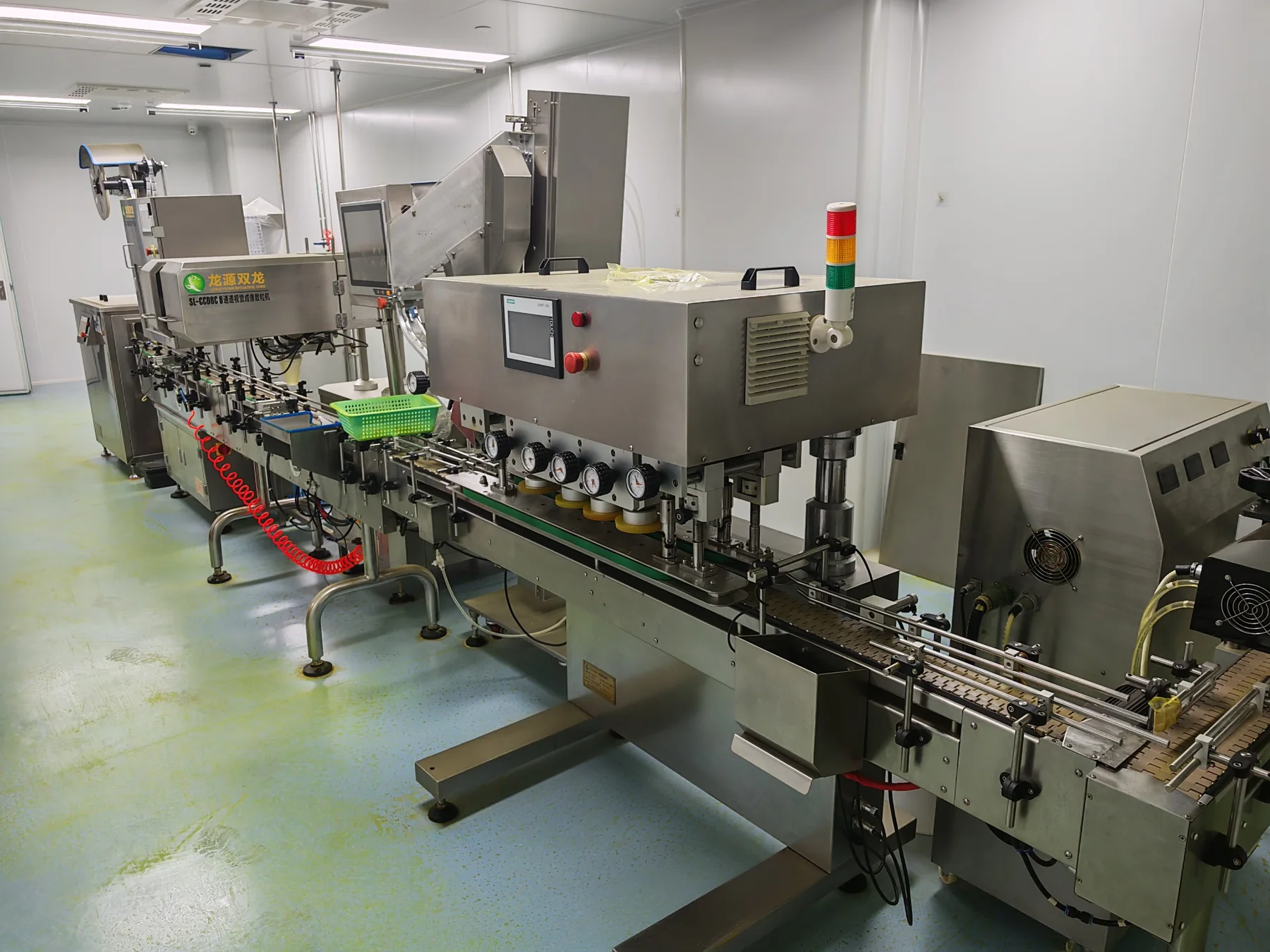
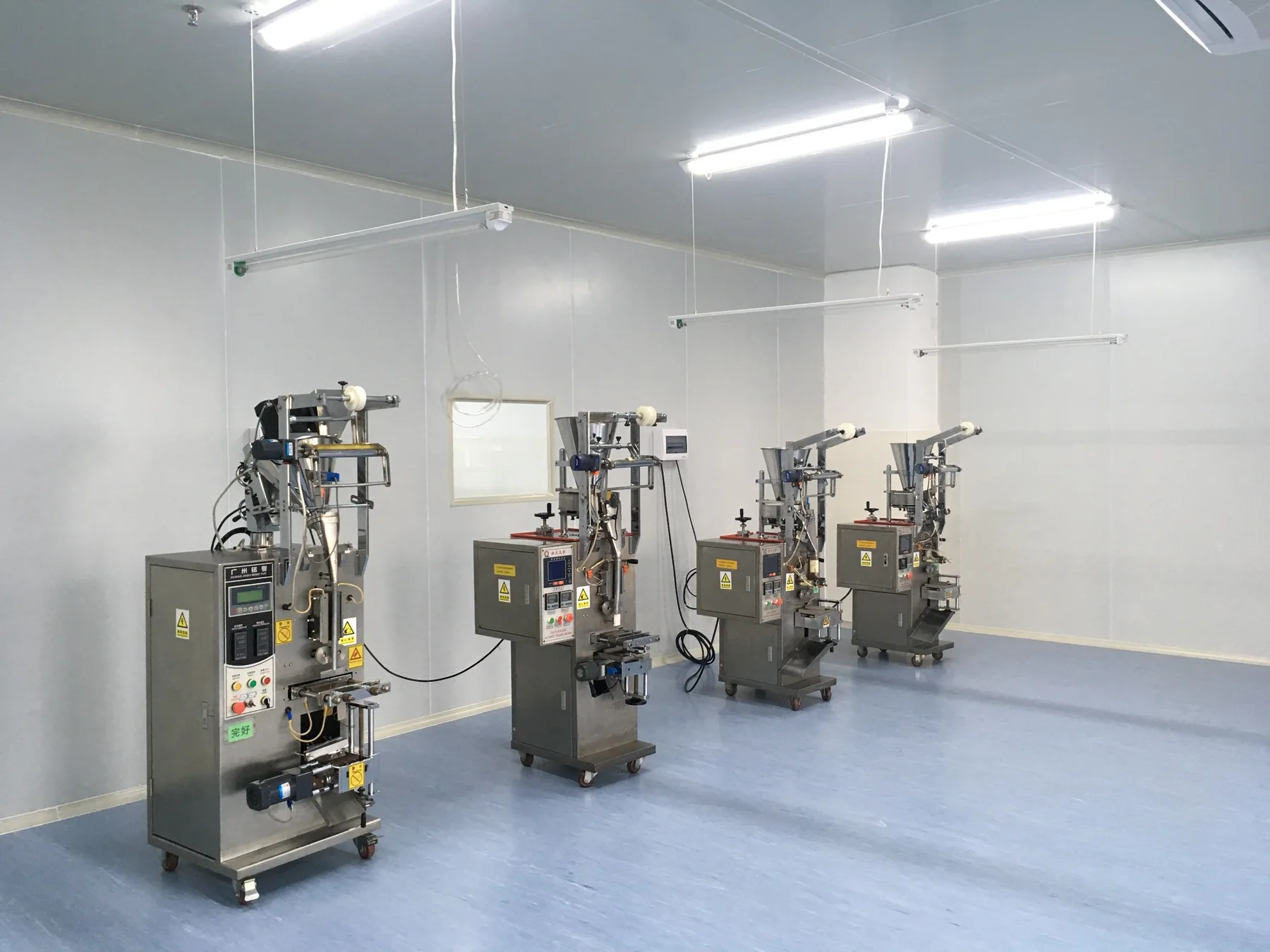
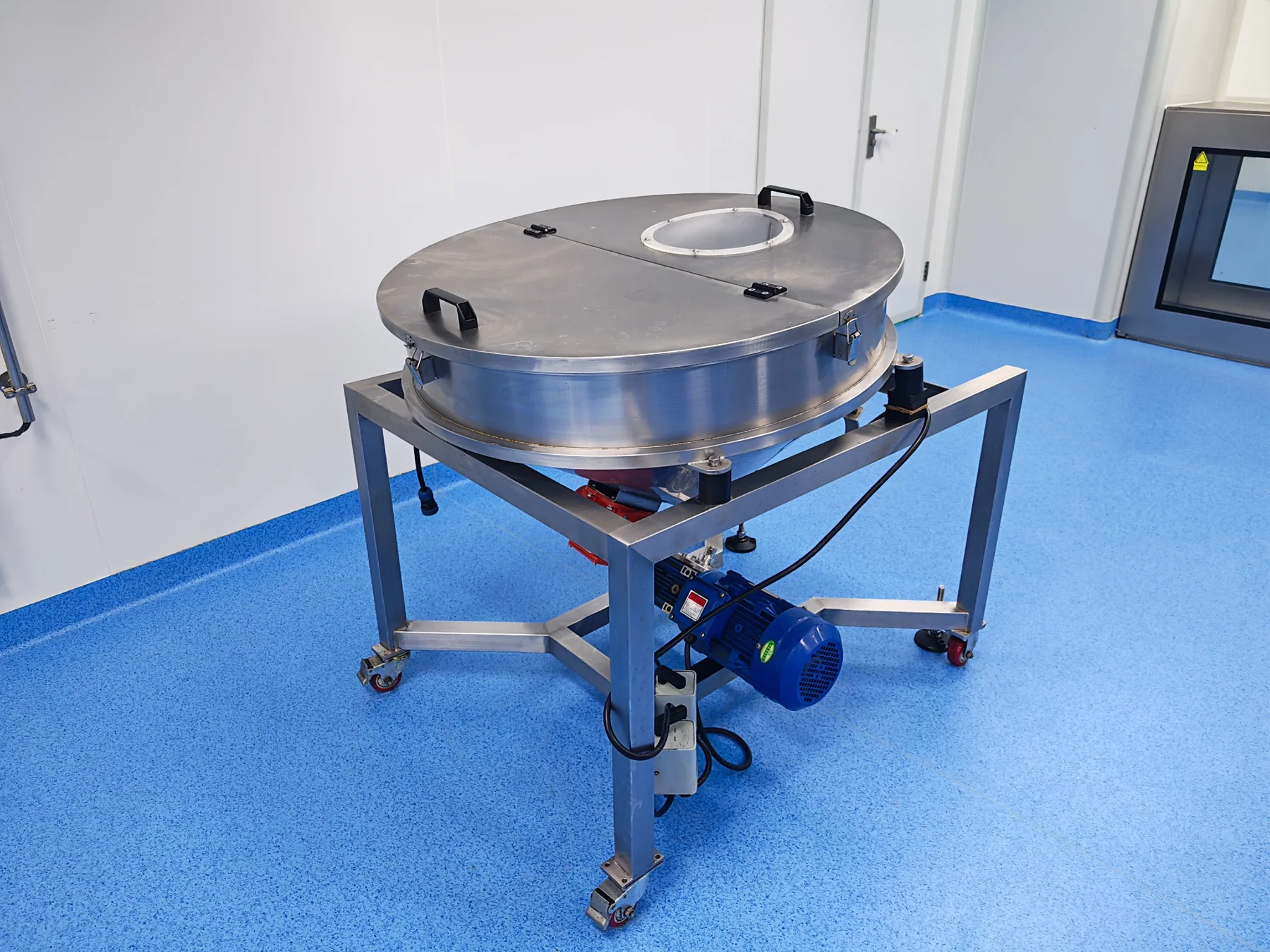
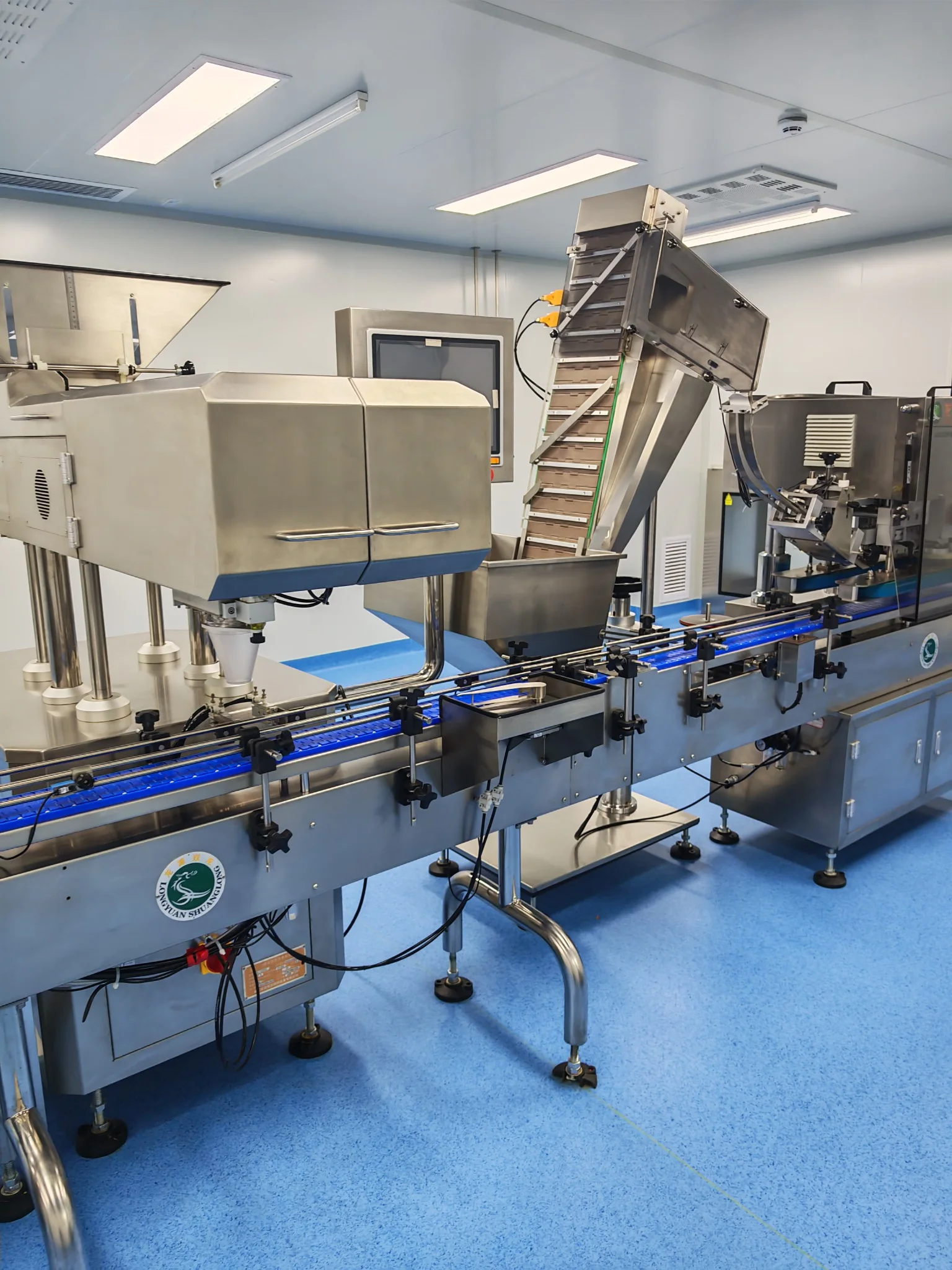
These photos were supplied by SILKROAD LANTING and show our real factory environment. We use real facility evidence so buyers can verify the manufacturing team behind the product-development discussion.

Start from a real product, then customize if needed.
Our published catalog contains current products for sampling and private-label discussions. Open a product to review the dosage form, health direction and B2B options.
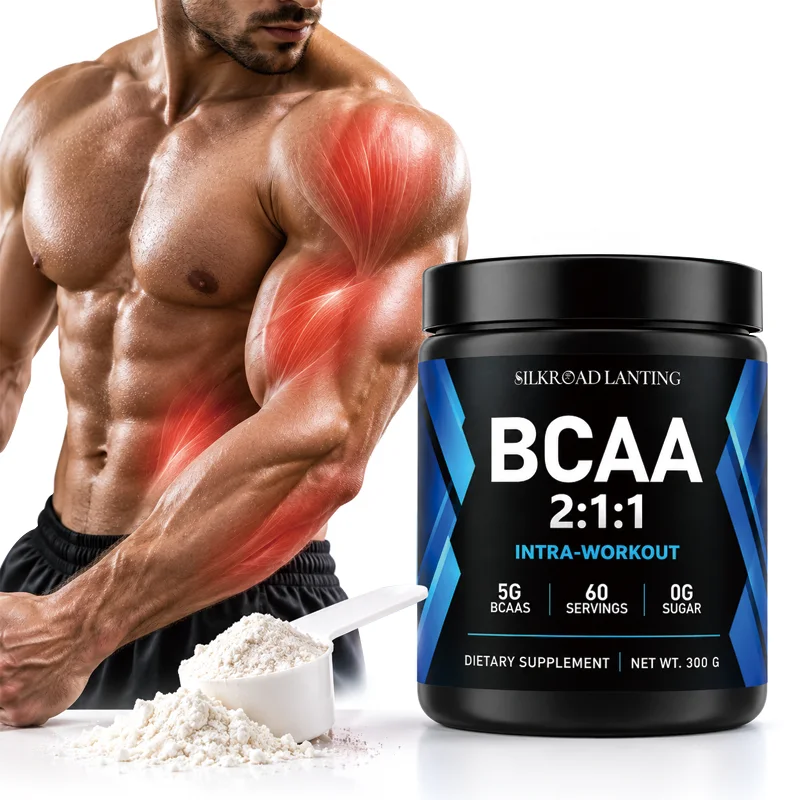
BCAA 2:1:1 Intra-Workout
View product →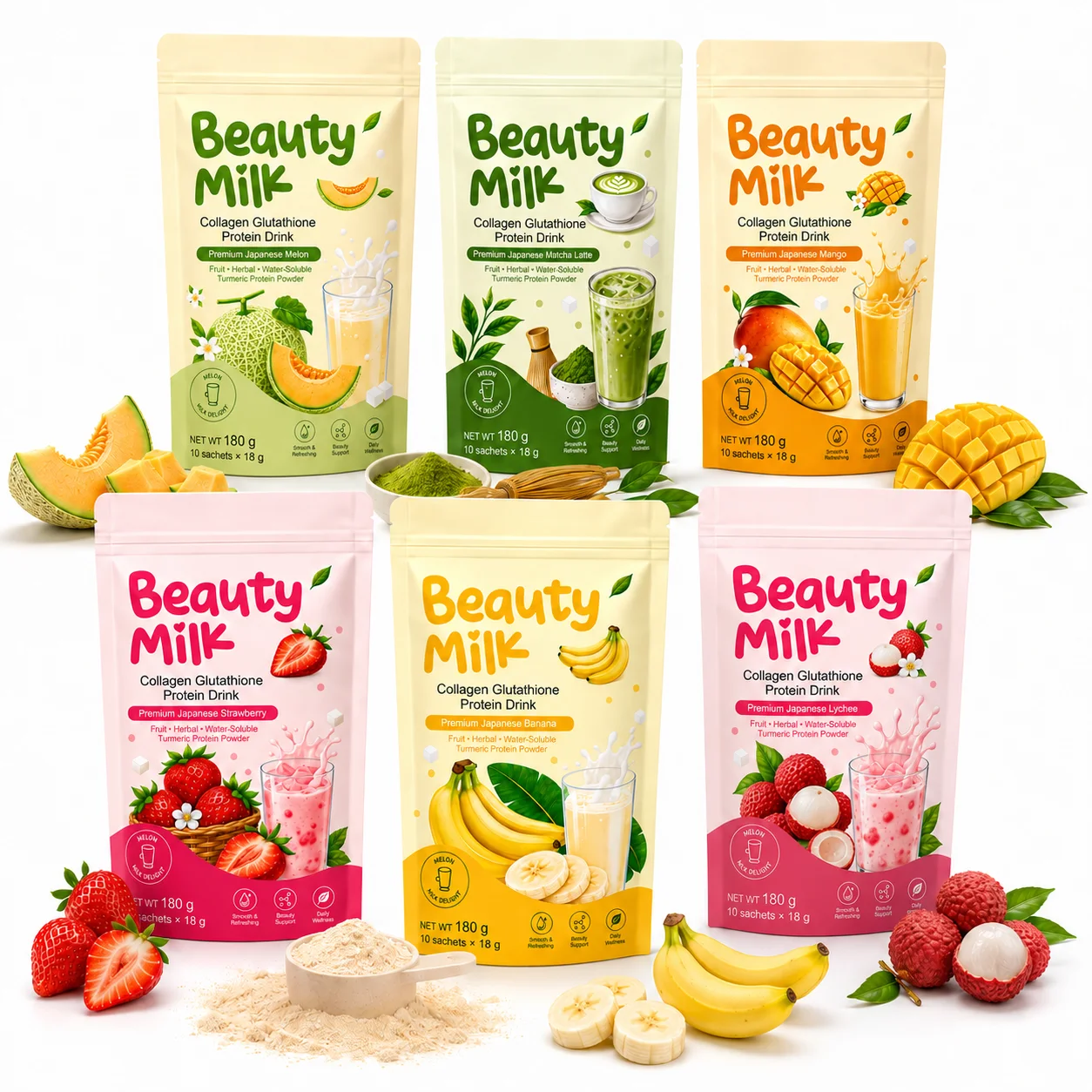
Beauty Milkshake Powder
Multi-Flavor Beauty Milkshake Powder offers a smooth and enjoyable milkshake experience for breakfast, afternoon refreshment, or everyday self-care routines.
View product →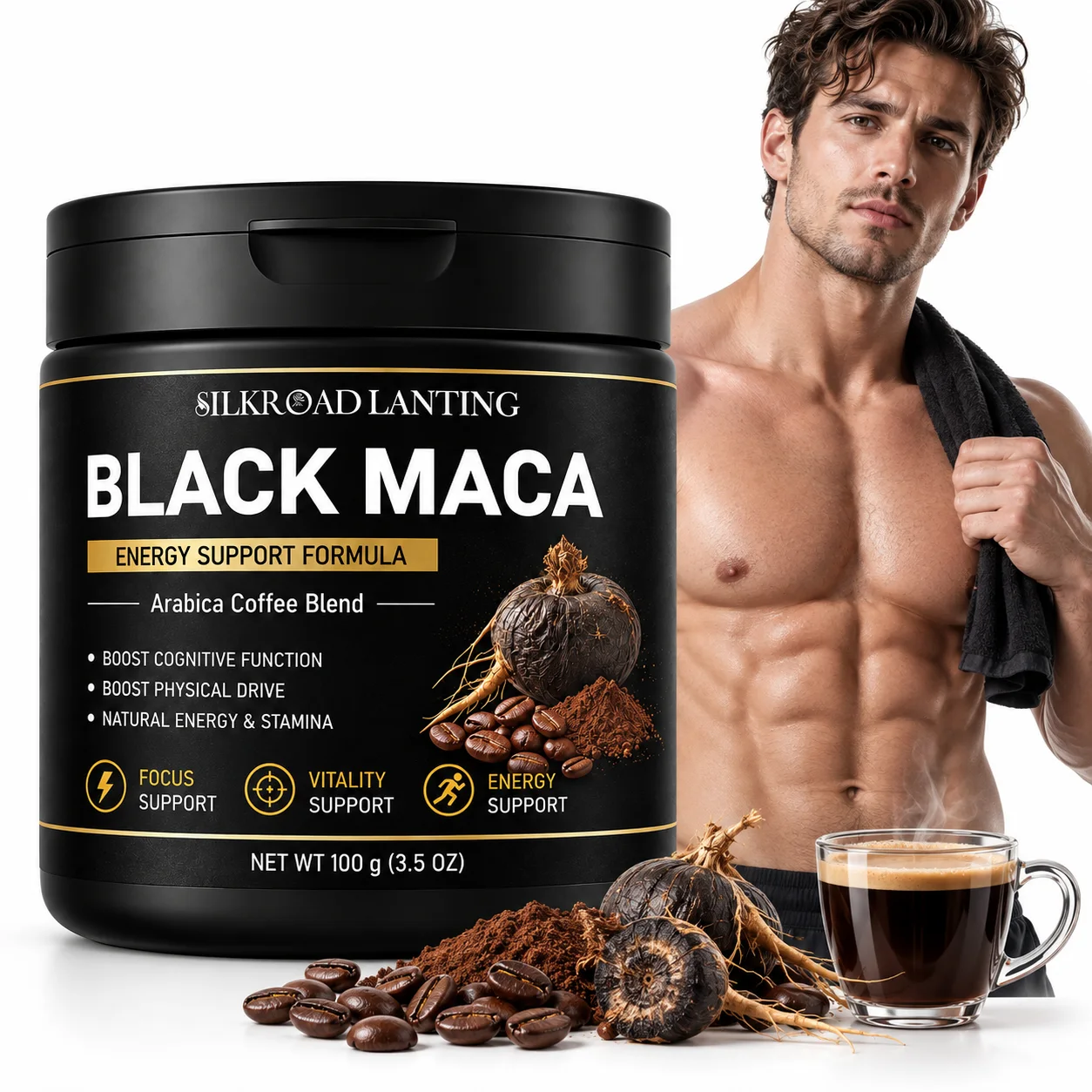
Black Maca Energy Coffee Powder
A functional coffee powder concept combining beverage positioning with botanicals.
View product →Request a sample and calculate your product cost.
Send the product name or reference, target market, estimated quantity and packaging idea. We can discuss a stock formula, formula adjustment or custom R&D route, then confirm sampling and manufacturing cost.