
A sports nutrition brand may eventually need more than one protein powder SKU. A product line can include different protein sources, flavor directions, pack sizes and price positions.
For B2B buyers, the goal is to build a portfolio that customers can understand and that the business can source, manufacture and manage efficiently.
1. Start with a defined customer group
Identify whether the product line is intended for gym users, strength-training consumers, general active adults, plant-based nutrition shoppers, retailers or online supplement customers.
Avoid trying to serve every audience with the first product. A clear target customer makes ingredient and packaging decisions easier.
2. Organize the portfolio by protein source
Possible product directions include:
- Whey protein concentrate
- Whey protein isolate
- Hydrolyzed whey protein
- Plant-based protein such as pea, rice or soy
- Protein blends
Each SKU should have its own ingredient specification, protein target, allergen information and intended positioning.
3. Choose a focused flavor range
Possible flavor concepts include chocolate, vanilla, strawberry, banana, coffee, matcha, cookies and cream or salted caramel.
Launching too many flavors at once can increase ingredient purchasing, packaging complexity and inventory risk. A smaller first range allows the brand to evaluate samples and customer response before expansion.
4. Select practical pack sizes
Potential formats include 500 g, 1 kg, 2 lb, 5 lb and single-serving sachets. These are examples, not fixed standards.
Choose sizes based on target retail price, serving count, shipping economics and the purchasing habits of the target market.
5. Maintain a consistent brand identity
A product line should use a consistent visual system for logo, typography, product naming and nutrition information. Flavor colors or ingredient illustrations can distinguish individual SKUs while keeping the brand recognizable.
Label content must be reviewed for the destination market before printing.
6. Launch in stages
A practical sequence may be:
- Launch one core protein formula.
- Add one or two validated flavors.
- Review customer feedback and sales performance.
- Expand to another protein source if demand supports it.
- Introduce alternative pack sizes or sachets.
- Review margins, inventory and reorder patterns.
This approach can reduce the risk of building a large inventory before the brand understands demand.
7. Calculate the commercial requirements
For each SKU, estimate ingredient cost, flavor system, packaging, label printing, testing, production setup, freight, duties and channel margin.
Ask suppliers to quote comparable specifications. A cheaper ingredient does not automatically produce a lower-cost or better-performing finished product.
8. Work with a product development partner
A manufacturing partner can help coordinate ingredient selection, formulation, sample evaluation, packaging and production planning. Confirm which capabilities are available at the specific site and which services require external partners.
Develop your protein product line
Silkroad Lanting Biotech supports health supplement product development, OEM/ODM cooperation and customized packaging discussions for overseas brands and B2B buyers.
Explore our Private Label Whey Protein Powder page or send your product portfolio brief.
*Every SKU requires separate technical, commercial, quality and regulatory review before launch.*
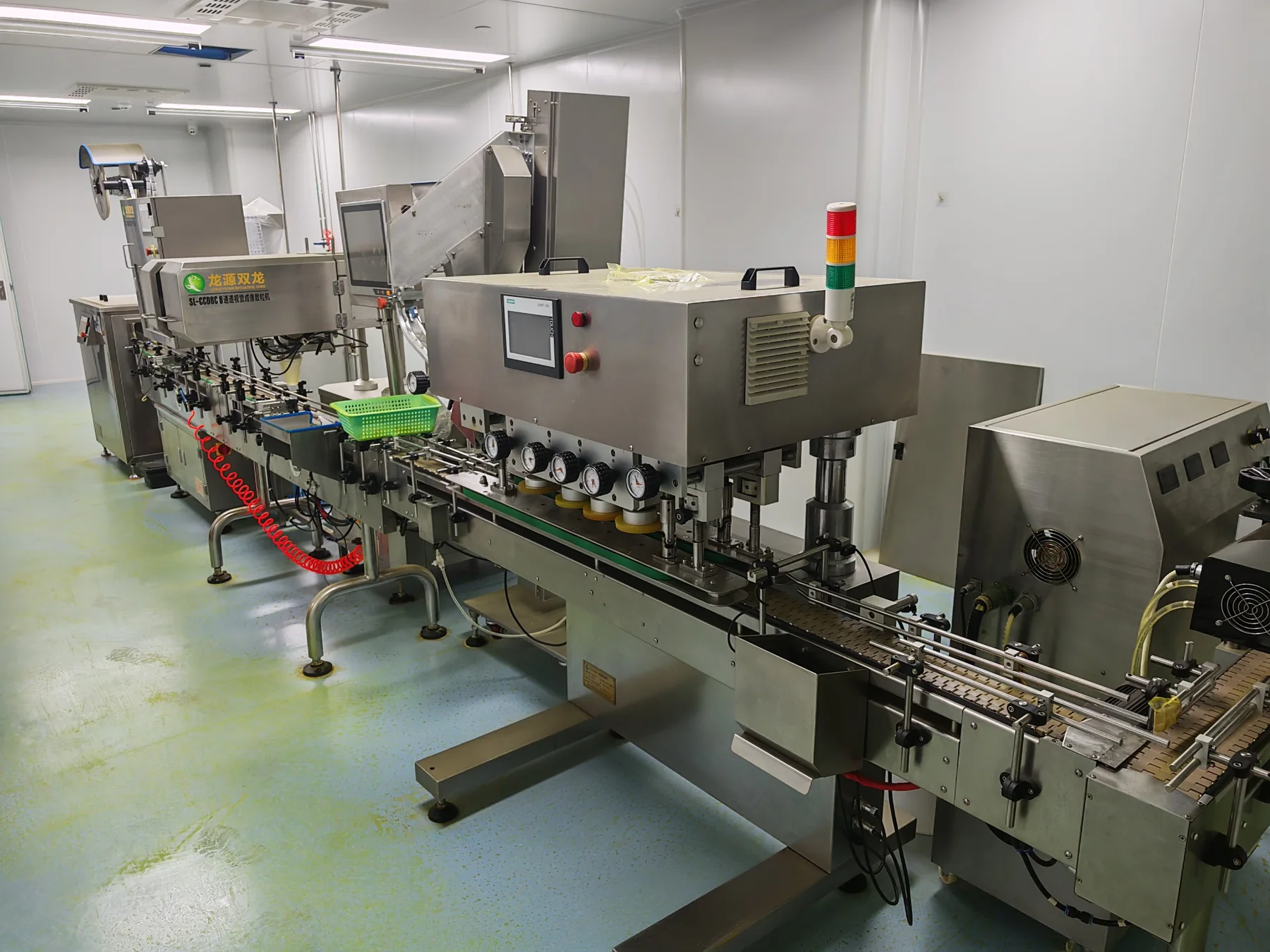
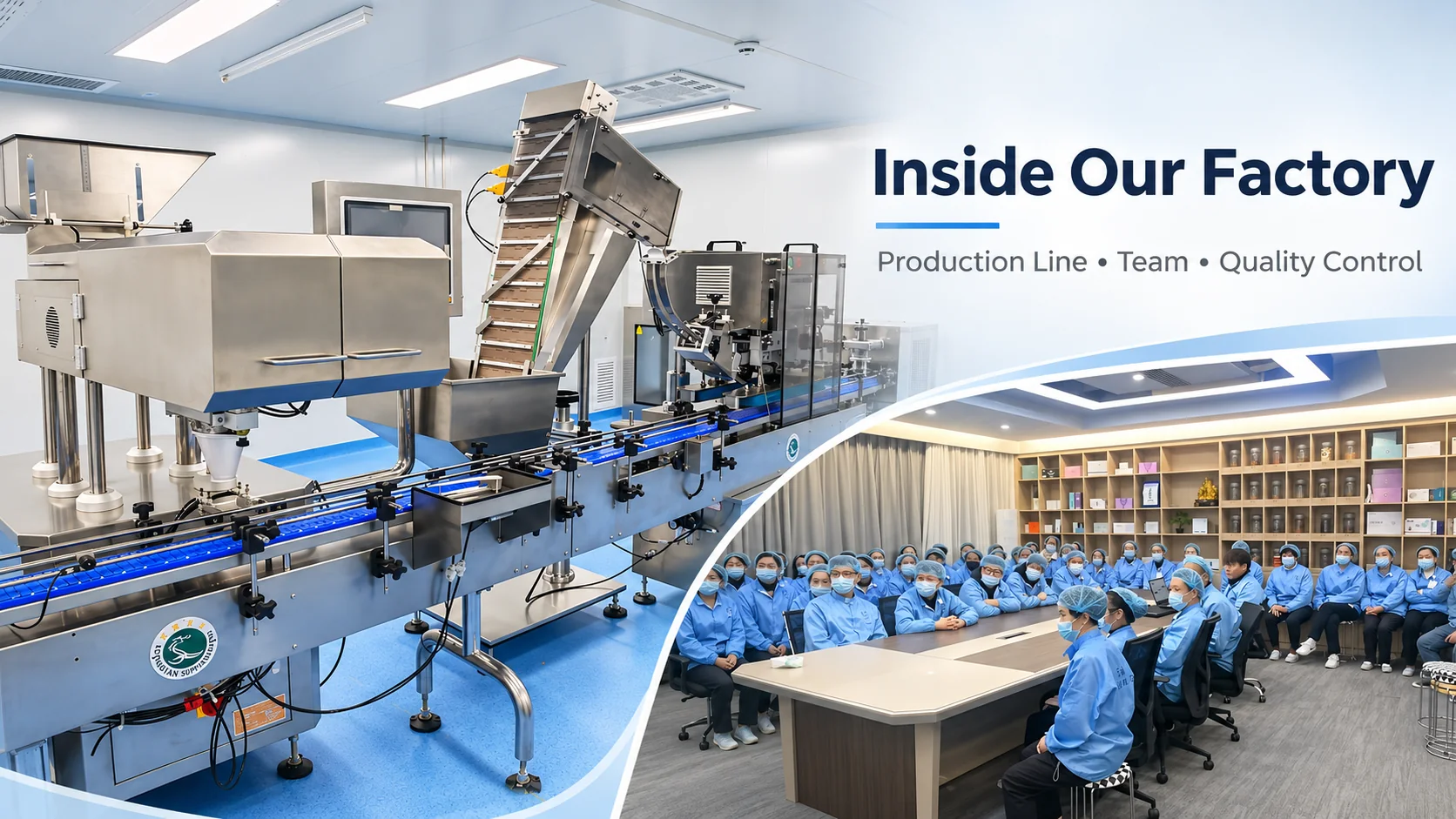
Manufacturing backed by a real production team.
These photos were supplied by SILKROAD LANTING and show our real factory environment. We use real facility evidence so buyers can verify the manufacturing team behind the product-development discussion.

Start from a real product, then customize if needed.
Our published catalog contains current products for sampling and private-label discussions. Open a product to review the dosage form, health direction and B2B options.
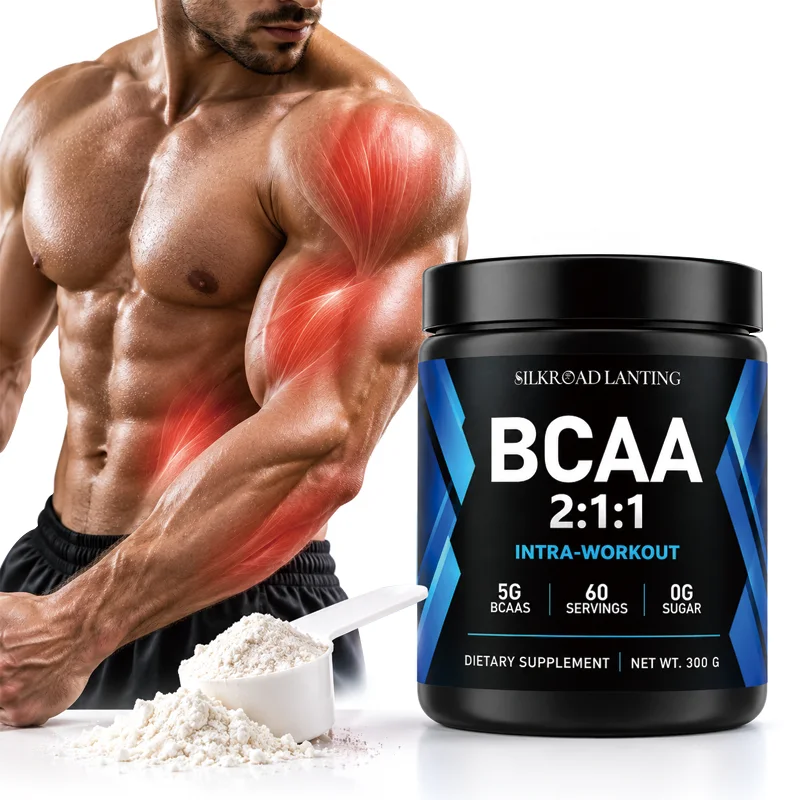
BCAA 2:1:1 Intra-Workout
View product →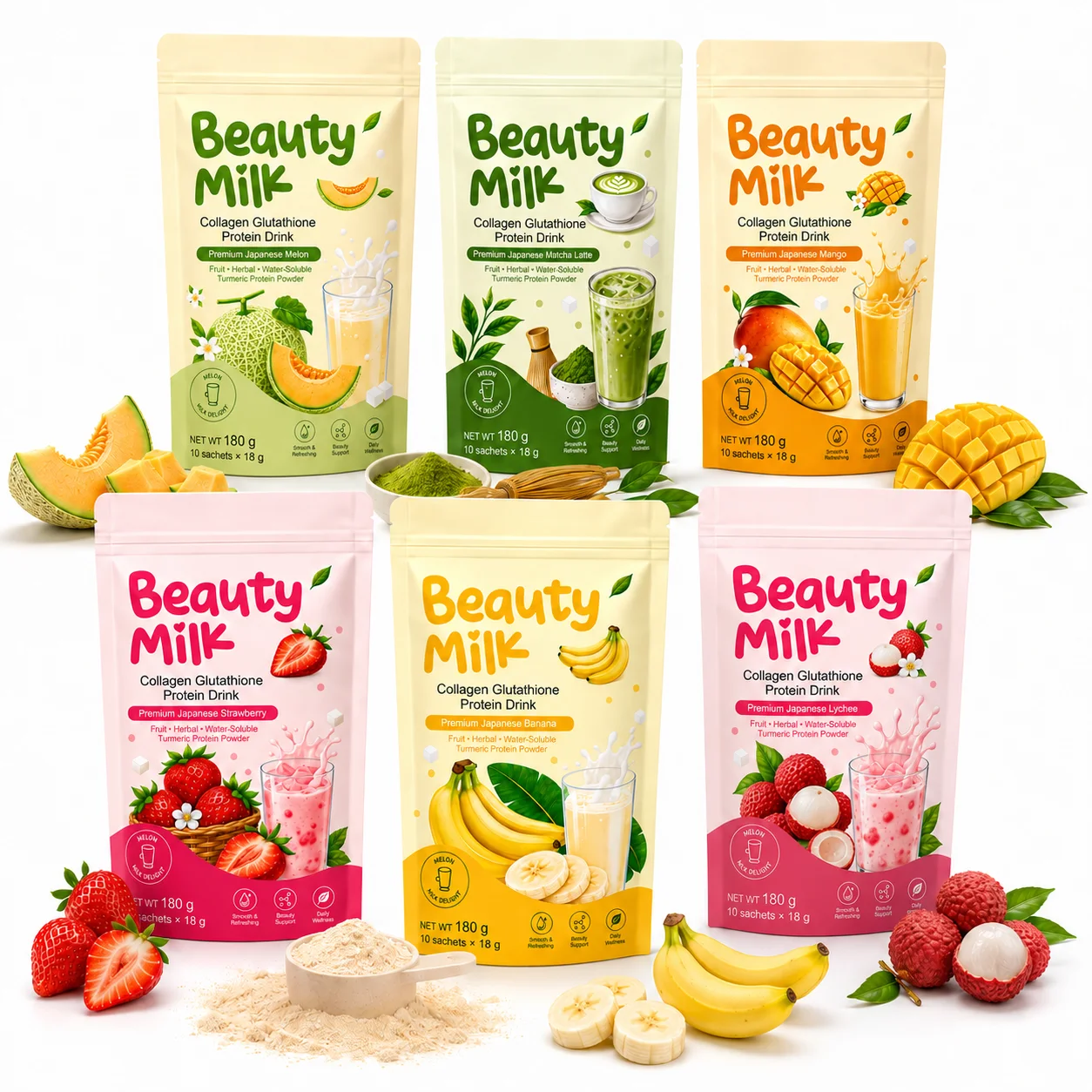
Beauty Milkshake Powder
Multi-Flavor Beauty Milkshake Powder offers a smooth and enjoyable milkshake experience for breakfast, afternoon refreshment, or everyday self-care routines.
View product →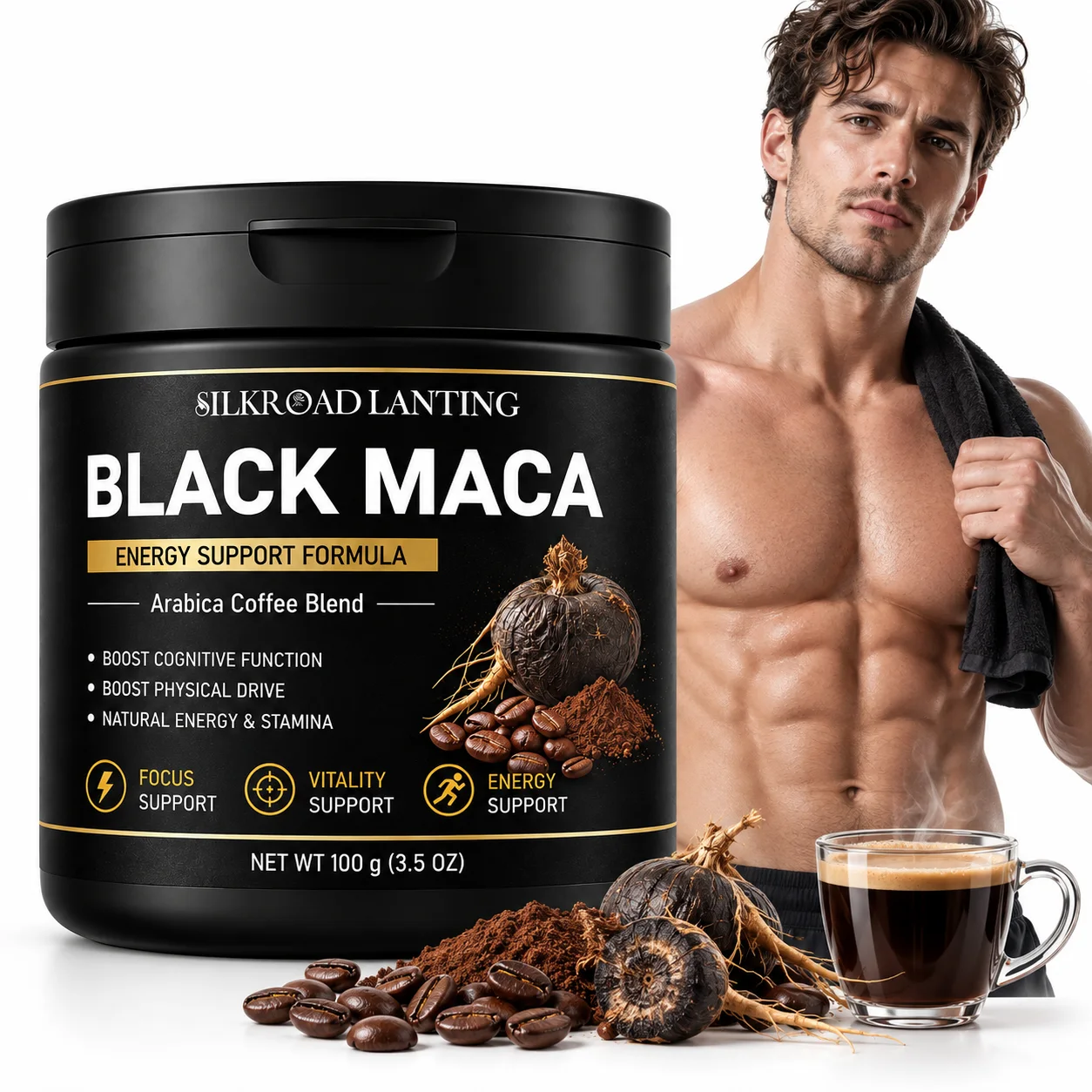
Black Maca Energy Coffee Powder
A functional coffee powder concept combining beverage positioning with botanicals.
View product →Request a sample and calculate your product cost.
Send the product name or reference, target market, estimated quantity and packaging idea. We can discuss a stock formula, formula adjustment or custom R&D route, then confirm sampling and manufacturing cost.