
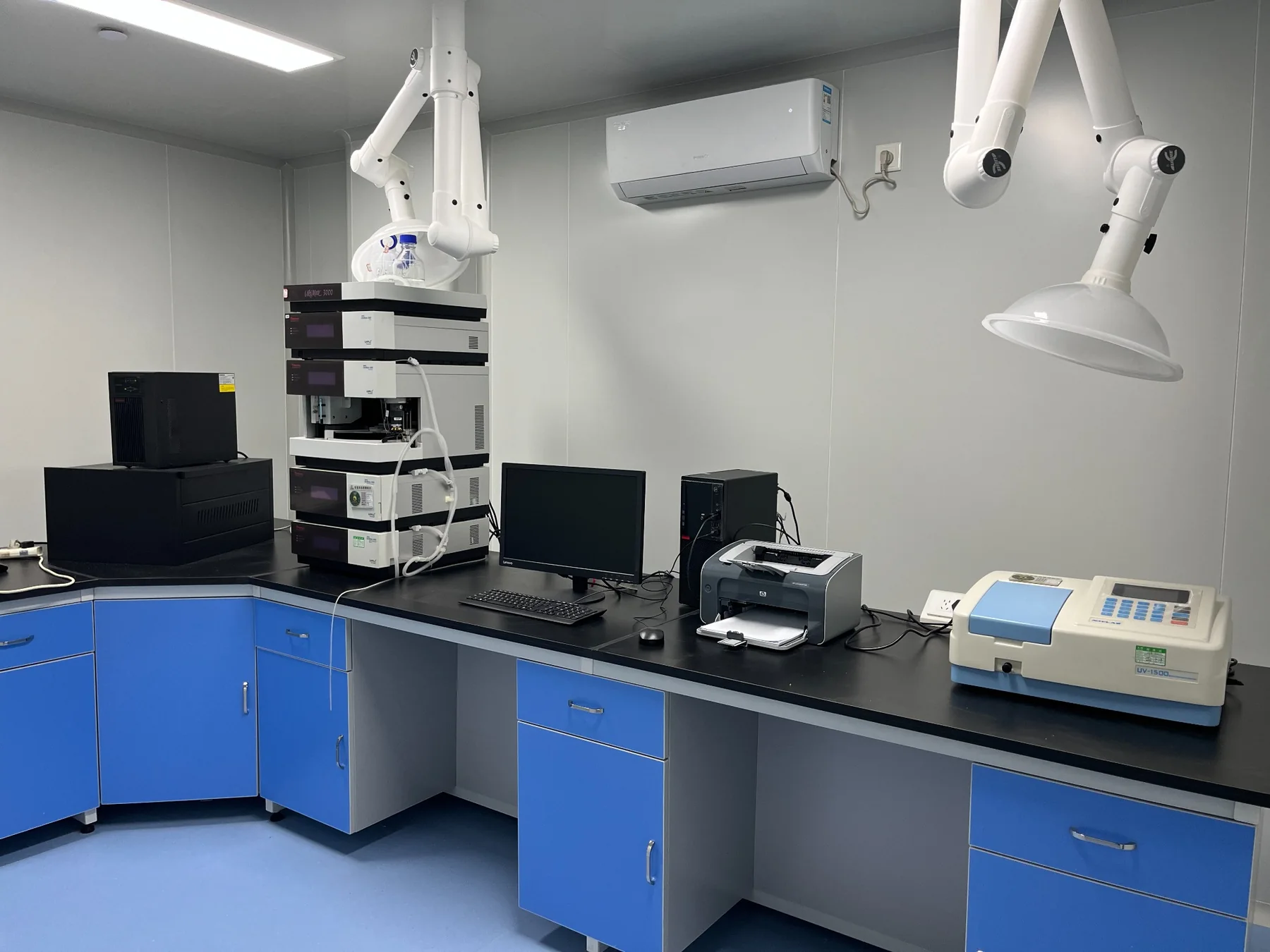
Quality is a central consideration when sourcing protein powder. For overseas brands, importers and distributors, a quotation should be reviewed alongside raw material specifications, finished-product testing, allergen information, batch documentation and packaging controls.
The relevant checks depend on the actual formula, ingredient risks and destination-market requirements.
1. Review the raw material specification
Request a current specification for each protein ingredient. Depending on the material, this may include protein, moisture, fat, ash, lactose, microbiological parameters, allergen information, origin and storage conditions.
Confirm the grade and analytical basis. A trade name alone is not a complete technical specification.
2. Understand the COA
A Certificate of Analysis (COA) reports analytical results for a particular material or product batch. It may identify the product, lot number, test parameters, results, specification limits, methods, test date and issuing laboratory or organization.
Ask whether the COA is for the raw ingredient or the finished protein powder. These documents support different checks.
3. Verify finished-product protein content
The protein percentage of a raw ingredient is not the same as the protein percentage of the finished powder. Flavoring, cocoa, sweeteners and other components can change the final percentage.
The analytical method and calculation basis should be appropriate for the product. Nitrogen-based methods may be used for protein determination, but the selected method, conversion factor and any limitations should be documented.
A formula calculation is not a replacement for finished-product testing.
4. Consider microbiological testing
Depending on the product, raw materials, manufacturing process and destination market, relevant tests may include total aerobic microbial count, yeast and mold, coliforms, E. coli and Salmonella.
Not every test applies in the same way to every product. Establish the test plan and acceptance criteria before production.
5. Assess contaminants based on risk
Heavy metal testing may be relevant depending on ingredient sources and the product risk assessment. Parameters may include lead, cadmium, arsenic and mercury.
Other contaminant checks should be determined by the actual ingredients, supplier history and applicable market requirements.
6. Review allergen information
Whey protein is milk-derived and must be assessed for milk allergen labeling. Other formula ingredients may introduce additional allergens.
Confirm the ingredient list, supplier allergen statements, cross-contact controls and destination-market labeling requirements.
7. Inspect finished product and packaging
Finished-product review may include appearance, color, odor, taste, powder consistency, net weight, label accuracy, seal integrity and packaging condition.
Storage and shelf-life claims should be supported by appropriate stability evidence and packaging suitability.
8. Questions to ask a supplier
- Can you provide current raw material specifications?
- Is a batch-specific COA available?
- Which tests are performed on finished goods?
- Which tests are completed internally or by an external laboratory?
- What allergen information and controls are available?
- How are batch identification and traceability managed?
- Which facility and production site are involved?
- Can additional market-specific tests be arranged?
Quality documentation for your protein project
Silkroad Lanting Biotech welcomes B2B discussions about supplement product development, OEM/ODM cooperation and customized packaging.
See our Private Label Whey Protein Powder service or request project documentation information.
*Testing scope, certifications, facility status and analytical results must be confirmed for the specific site, ingredient, batch and product. This article does not claim any particular certification or test result.*
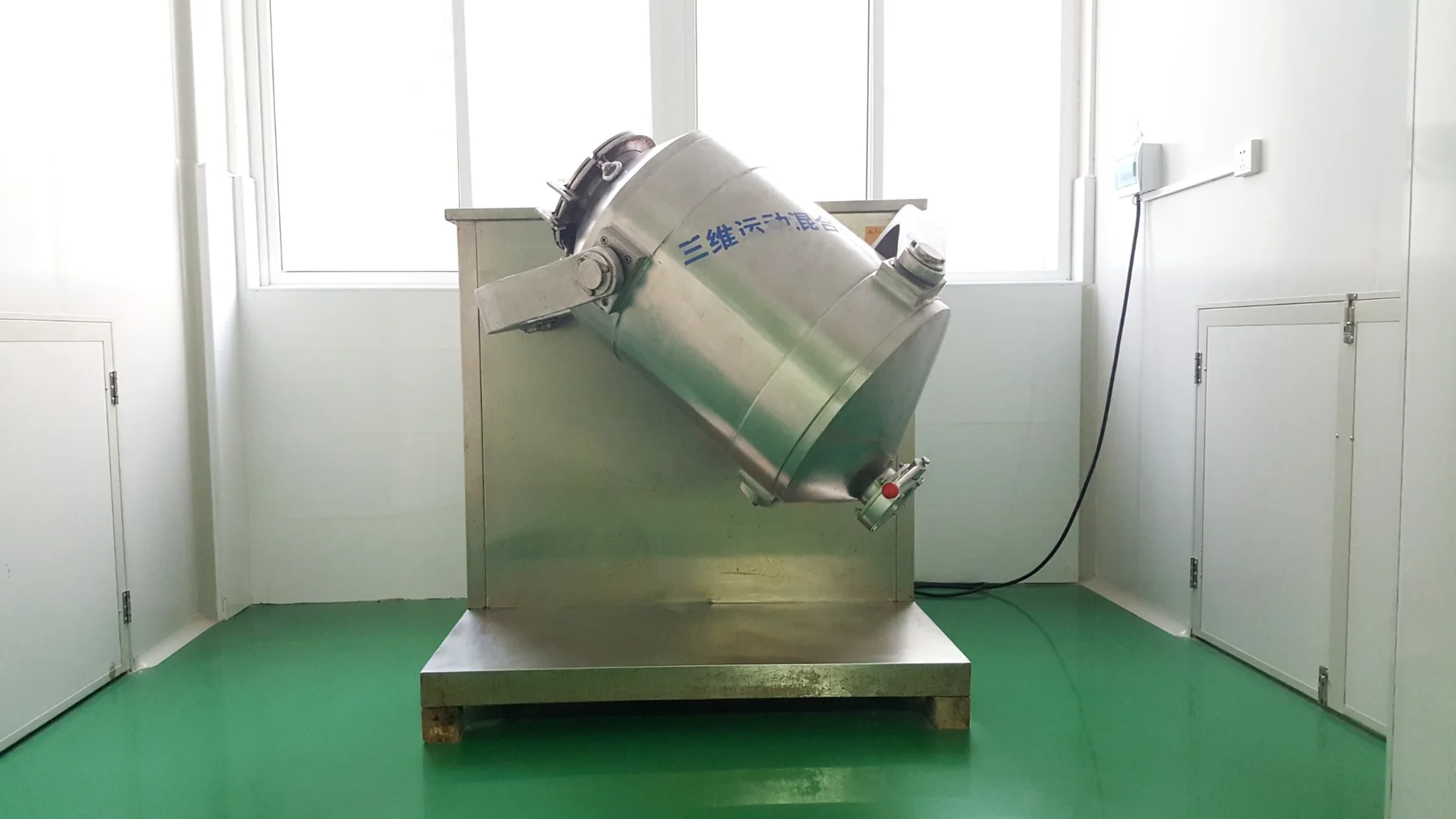
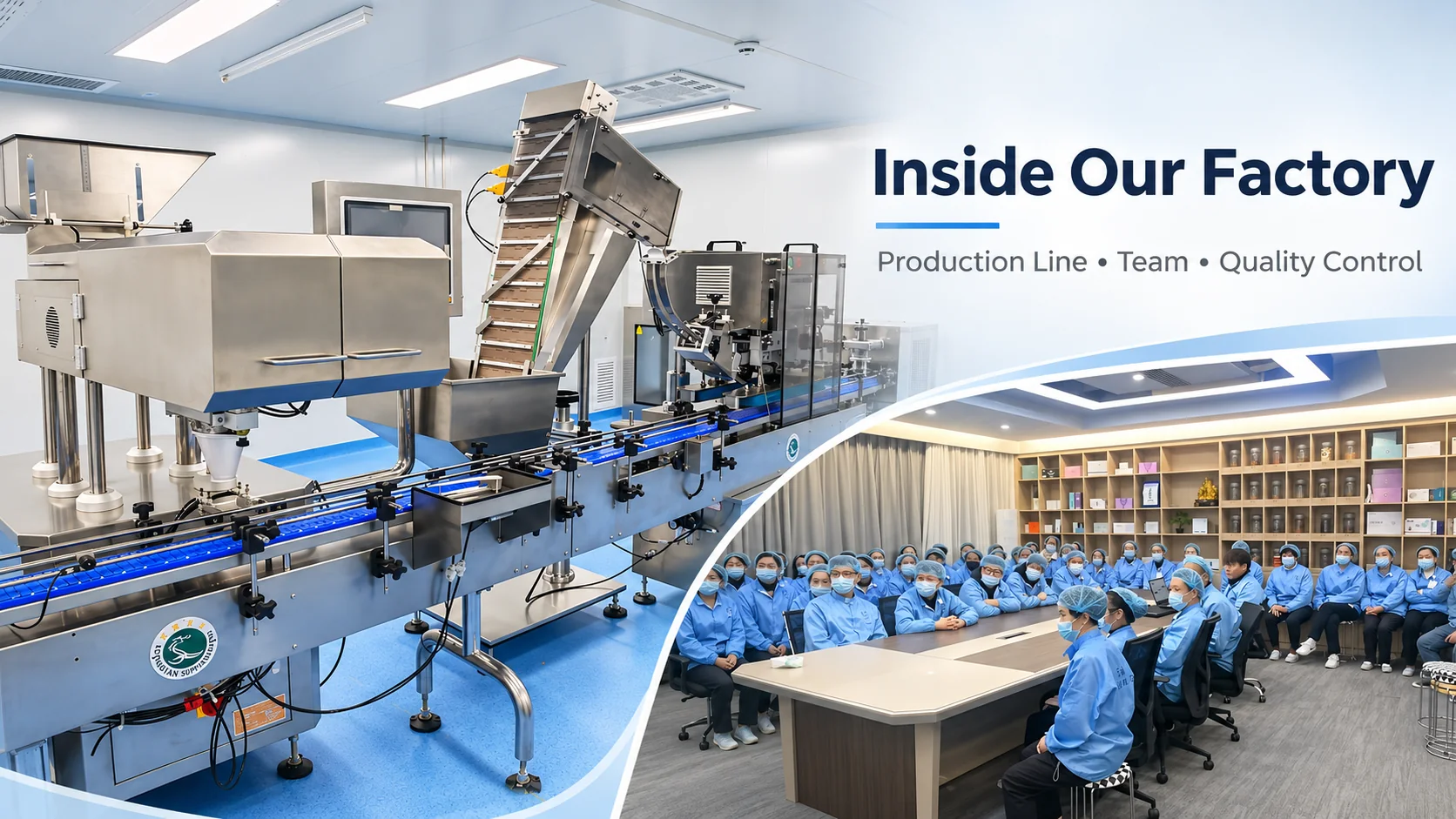
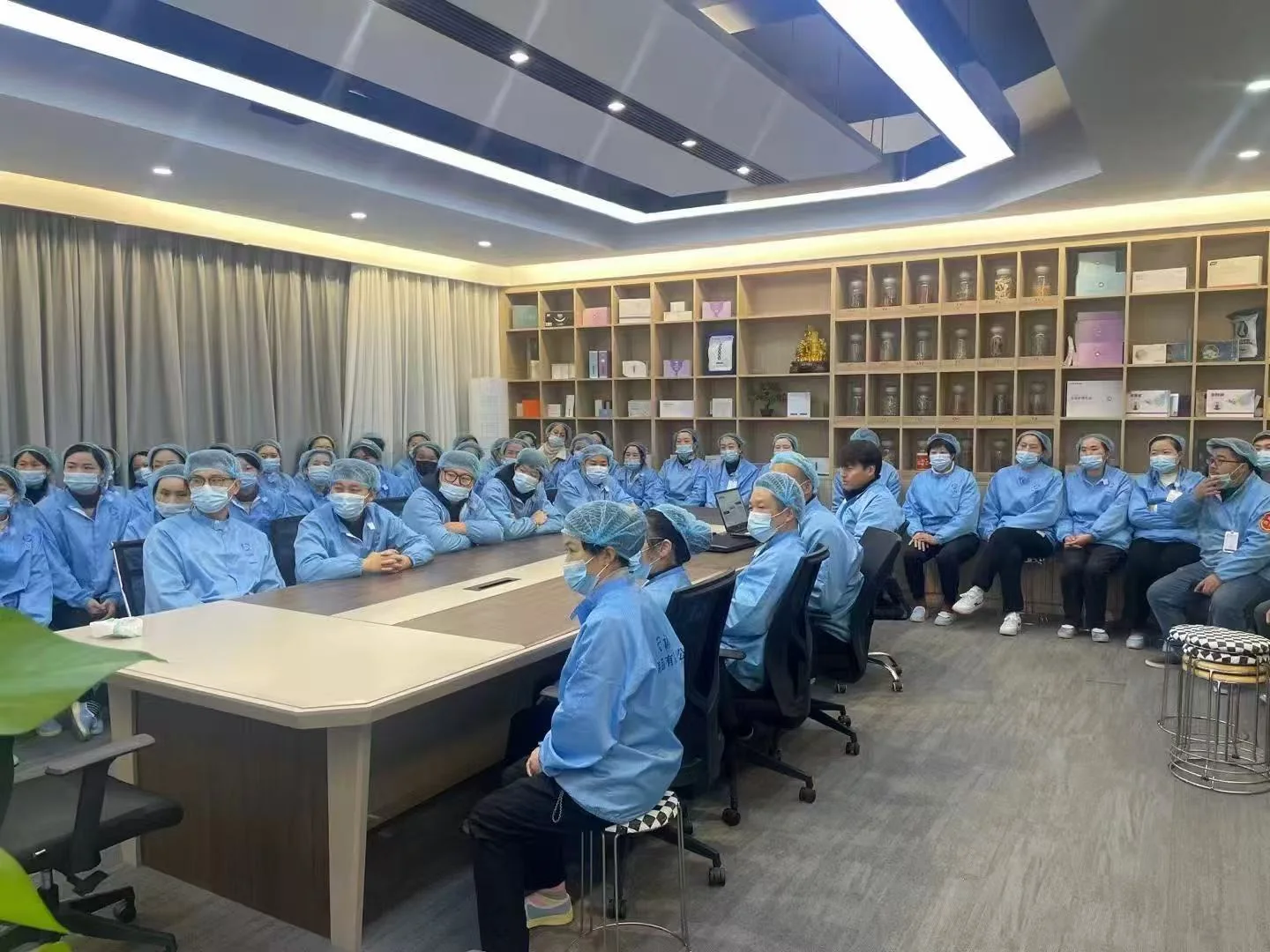
Manufacturing backed by a real production team.
These photos were supplied by SILKROAD LANTING and show our real factory environment. We use real facility evidence so buyers can verify the manufacturing team behind the product-development discussion.
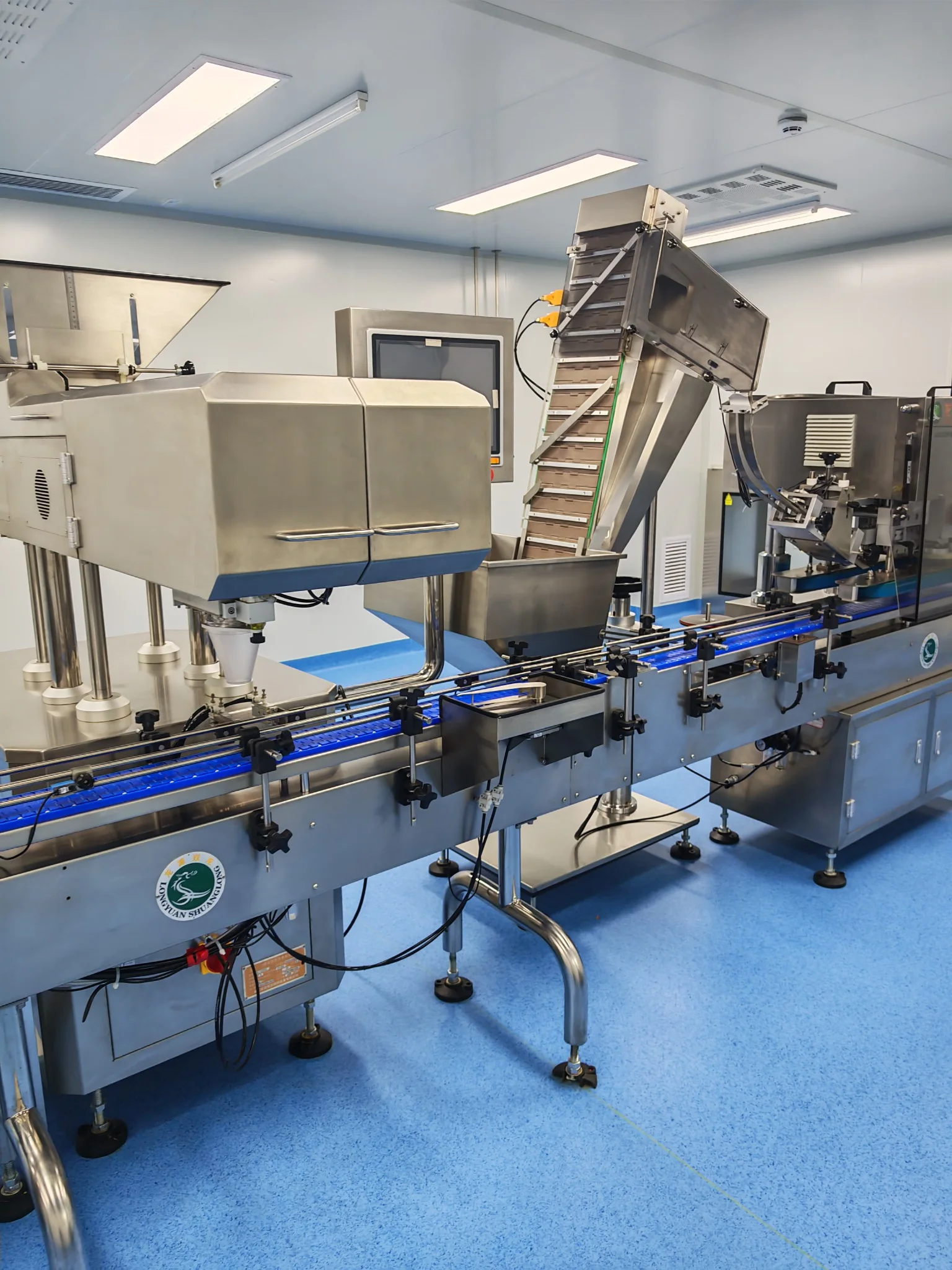
Start from a real product, then customize if needed.
Our published catalog contains current products for sampling and private-label discussions. Open a product to review the dosage form, health direction and B2B options.
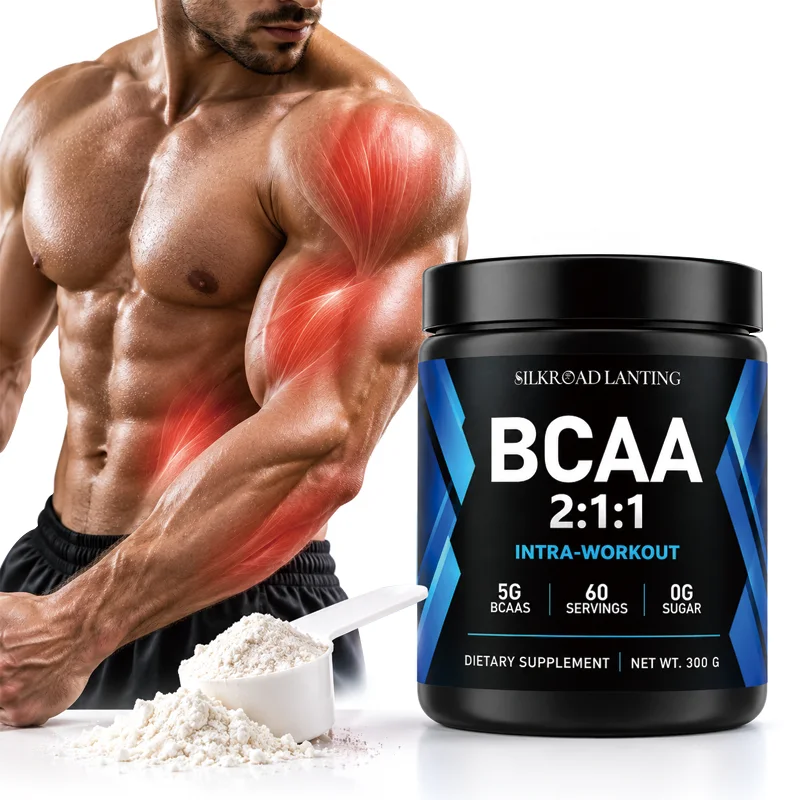
BCAA 2:1:1 Intra-Workout
View product →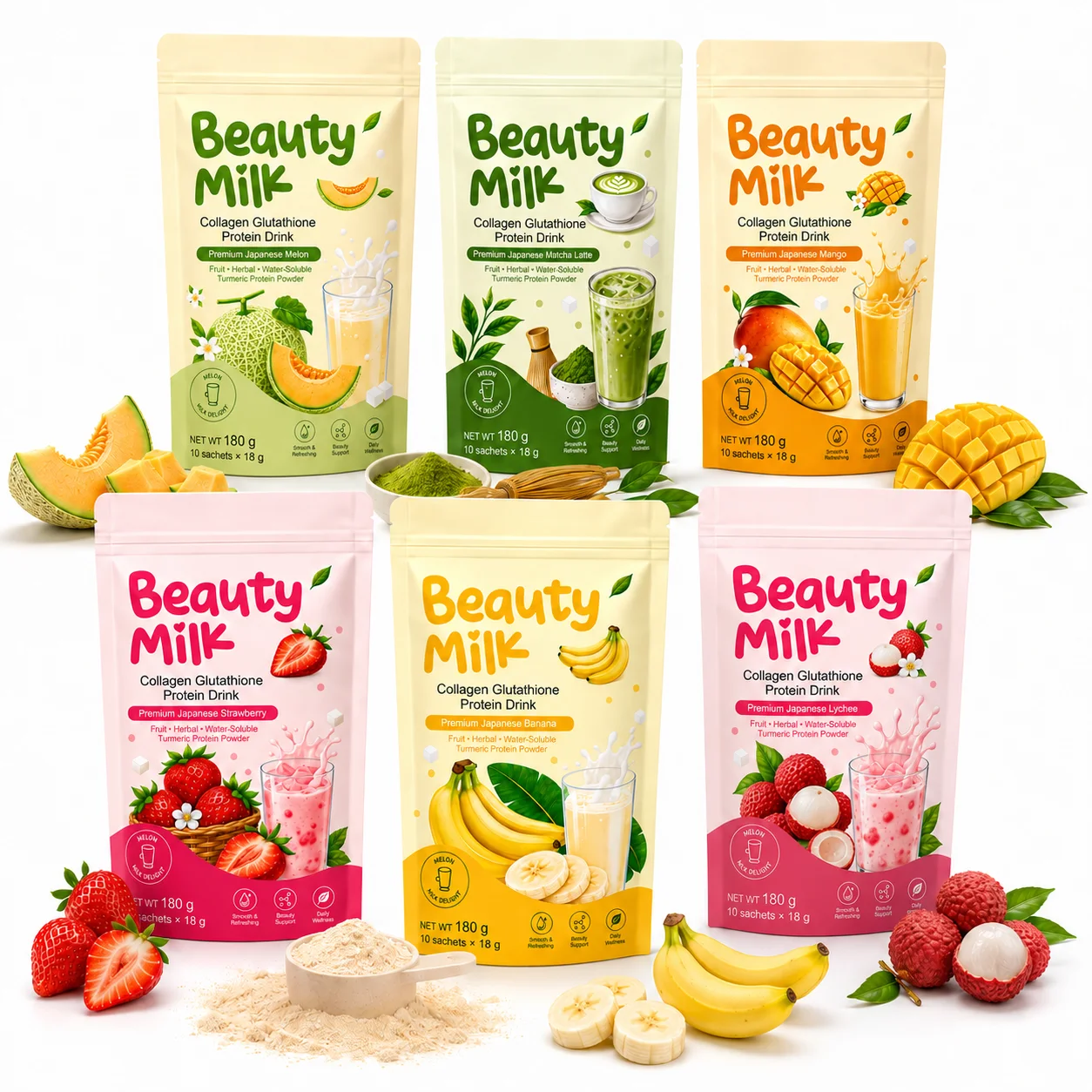
Beauty Milkshake Powder
Multi-Flavor Beauty Milkshake Powder offers a smooth and enjoyable milkshake experience for breakfast, afternoon refreshment, or everyday self-care routines.
View product →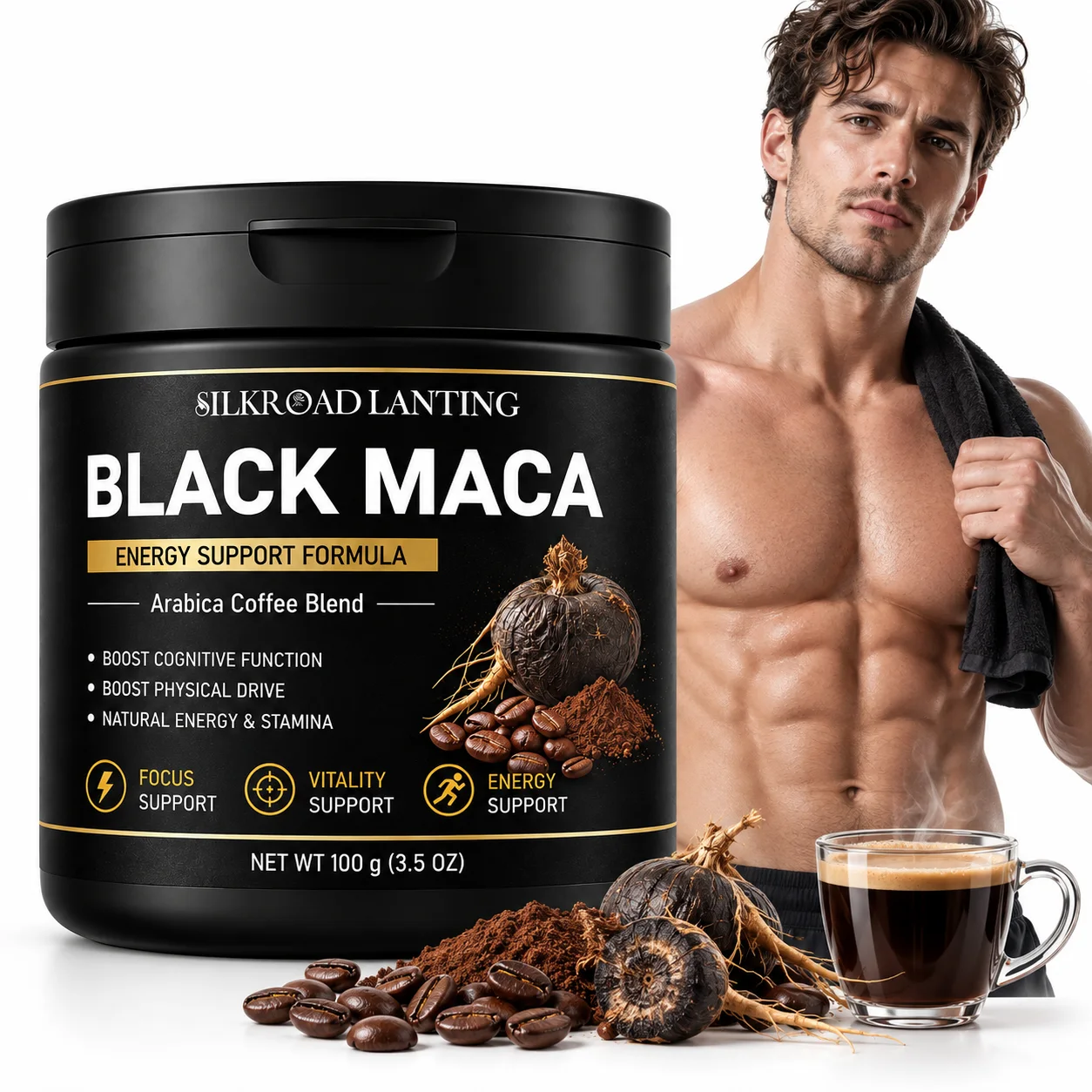
Black Maca Energy Coffee Powder
A functional coffee powder concept combining beverage positioning with botanicals.
View product →Request a sample and calculate your product cost.
Send the product name or reference, target market, estimated quantity and packaging idea. We can discuss a stock formula, formula adjustment or custom R&D route, then confirm sampling and manufacturing cost.