
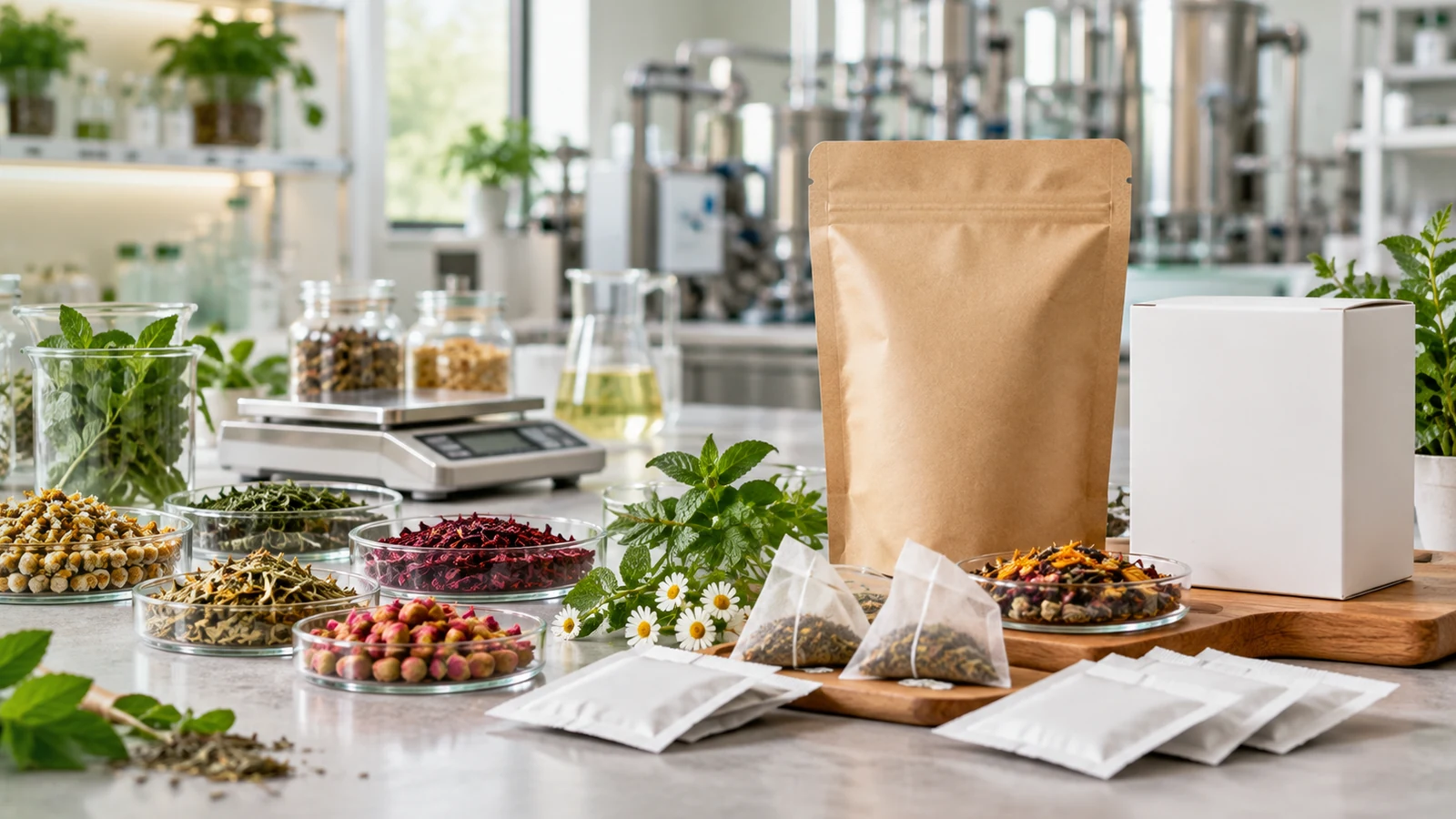
Packaging development connects the formula to the customer.
A technically correct supplement can still fail commercially if the bottle, pouch, label or carton is poorly planned.
Start with the dosage form
Packaging should fit the physical product.
Capsules and tablets need a count-based package. Powders need enough volume for the full net weight. Liquids need a compatible closure. Stick packs and sachets need film sized for the serving.
Packaging dimensions should not be finalized before the product format is clear.
Select the primary container
Common options include:
- HDPE/PET bottles
- Amber bottles
- Jars
- Pouches
- Sachets
- Stick packs
- Liquid bottles
- Tea boxes/tins
The selection should consider quantity, cost, appearance and shipping.
Label dimensions come from the real container
Artwork should be created around the actual dieline or label area.
A frequent mistake is designing the label first and choosing the package later.
This can create:
- Small text
- Poor alignment
- Distorted artwork
- Missing compliance space
The packaging specification should come before final artwork.
Carton or no carton?
A carton can create a premium retail presentation but adds cost and MOQ.
Use one when it supports:
- Retail shelf display
- Extra information
- Product protection
- Multi-unit presentation
For a first online launch, a bottle with a high-quality label may be enough.
MOQ and printed components
Custom printed components can create supplier minimums.
Before approving artwork, ask:
- Minimum print quantity
- Setup cost
- Lead time
- Color limitations
- Material
- Finish
This helps avoid designing packaging that is not economical for the first order.
Retail and marketplace presentation
Packaging should also be photographed and displayed online.
We sell selected products through Alibaba.com and Amazon, so we understand the importance of front-facing clarity, readable product naming and strong product images for online sales.
Compliance space
The label must leave enough space for required product information.
For U.S. dietary supplements, FDA provides a detailed labeling guide. FDA Dietary Supplement Labeling Guide
A designer should not use every millimeter for marketing.
Prototype before mass printing
A digital mockup or physical packaging sample can identify problems before larger printing.
Review:
- Label fit
- Cap clearance
- Text size
- Barcode position
- Carton fit
- Visual hierarchy
Cost two routes
For many projects, compare:
- Standard packaging + custom label
- Fully custom printed packaging
This makes the cost of customization visible.
What to send us
Send your product, pack size, quantity, reference image and target sales channel.
We can discuss practical packaging routes and how they affect MOQ and cost.
Contact Nina@siroad.net or WhatsApp.
Start from a real product, then customize if needed.
Our published catalog contains current products for sampling and private-label discussions. Open a product to review the dosage form, health direction and B2B options.
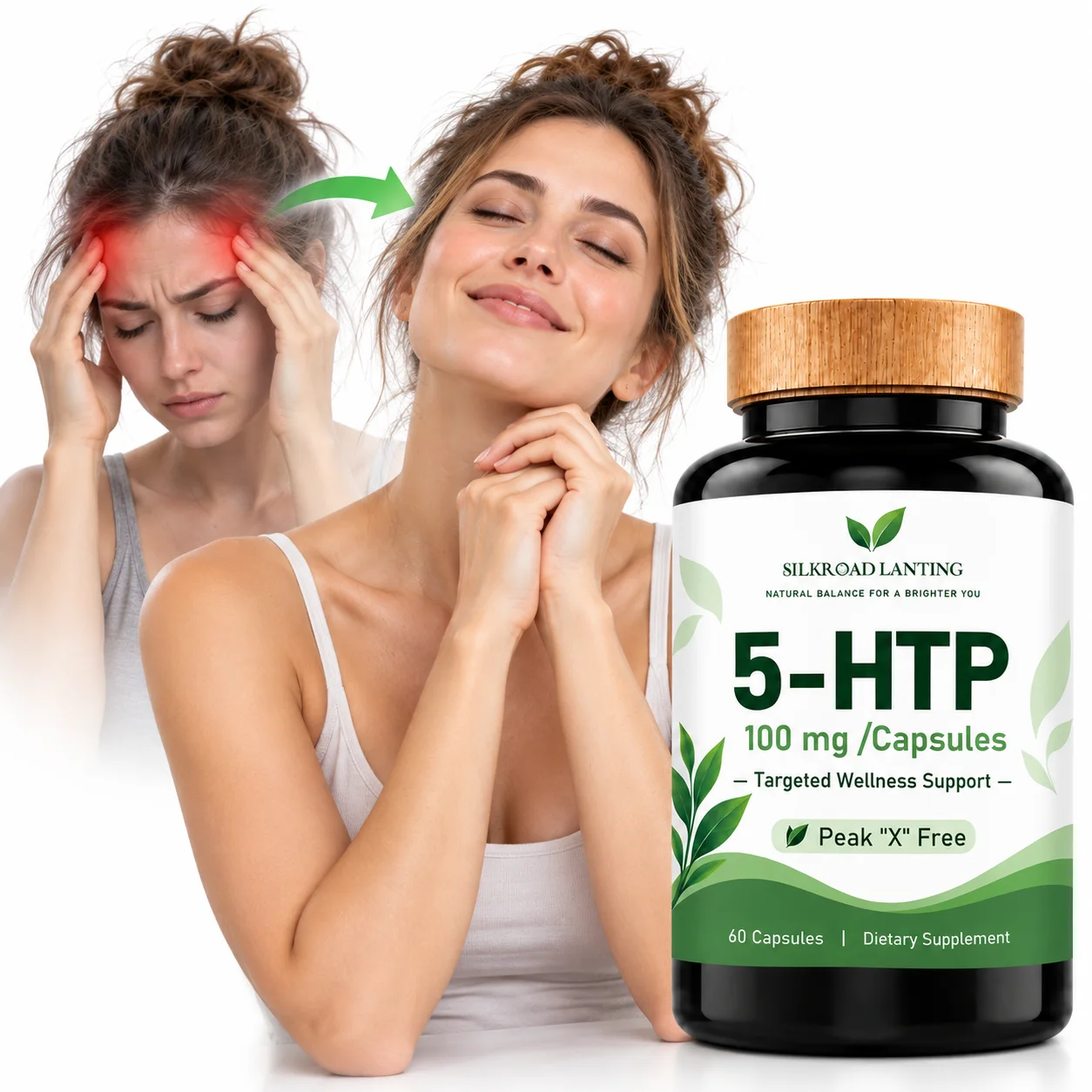
5-Hydroxytryptophan Capsules
5-HTP (5-Hydroxytryptophan) Capsules feature a plant-based formula labeled with 100 mg of 5-HTP per capsule, supporting everyday mood balance, relaxation, and sleep wellness.
View product →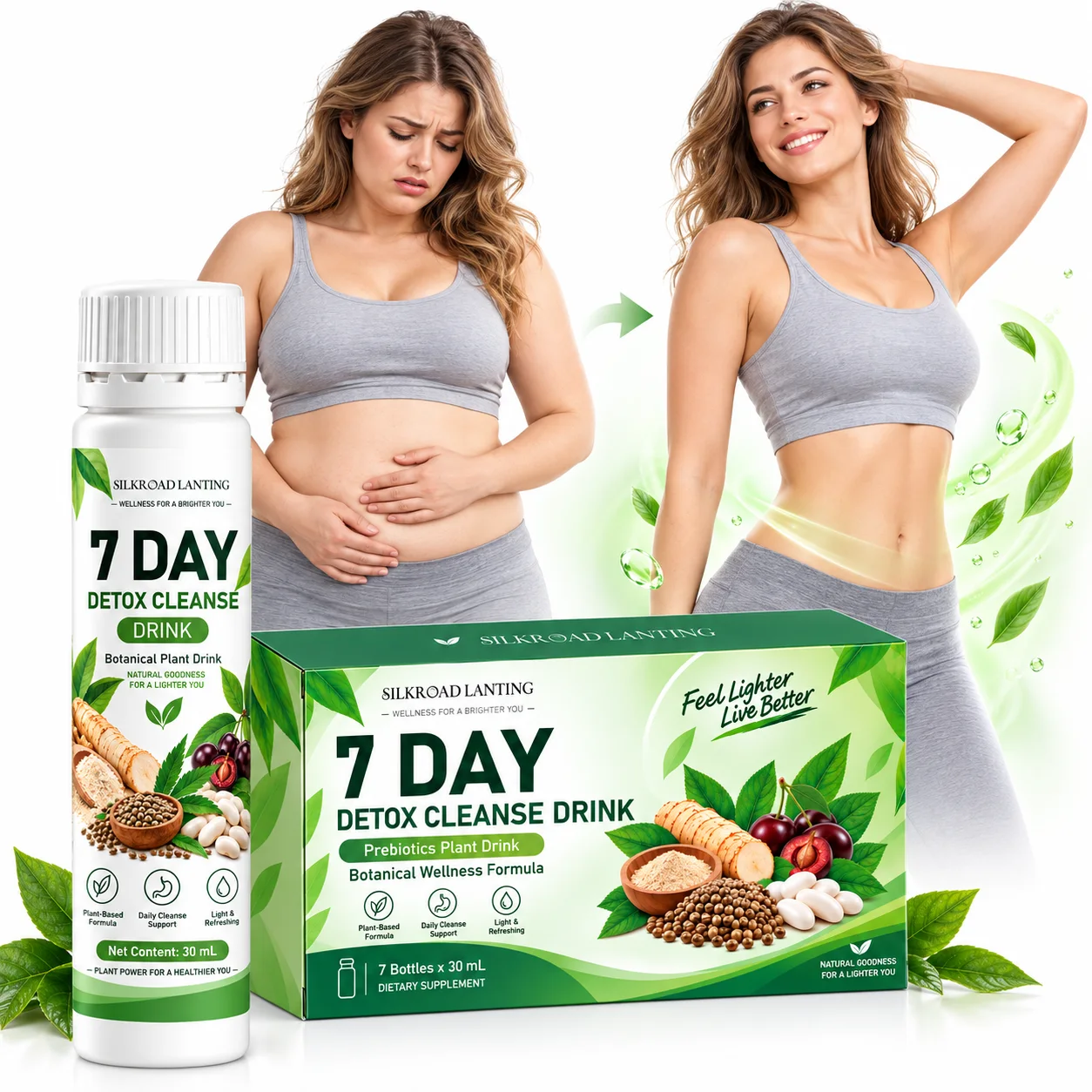
7-Day Botanical Wellness Drink
A multi-day botanical beverage concept for custom wellness projects.
View product →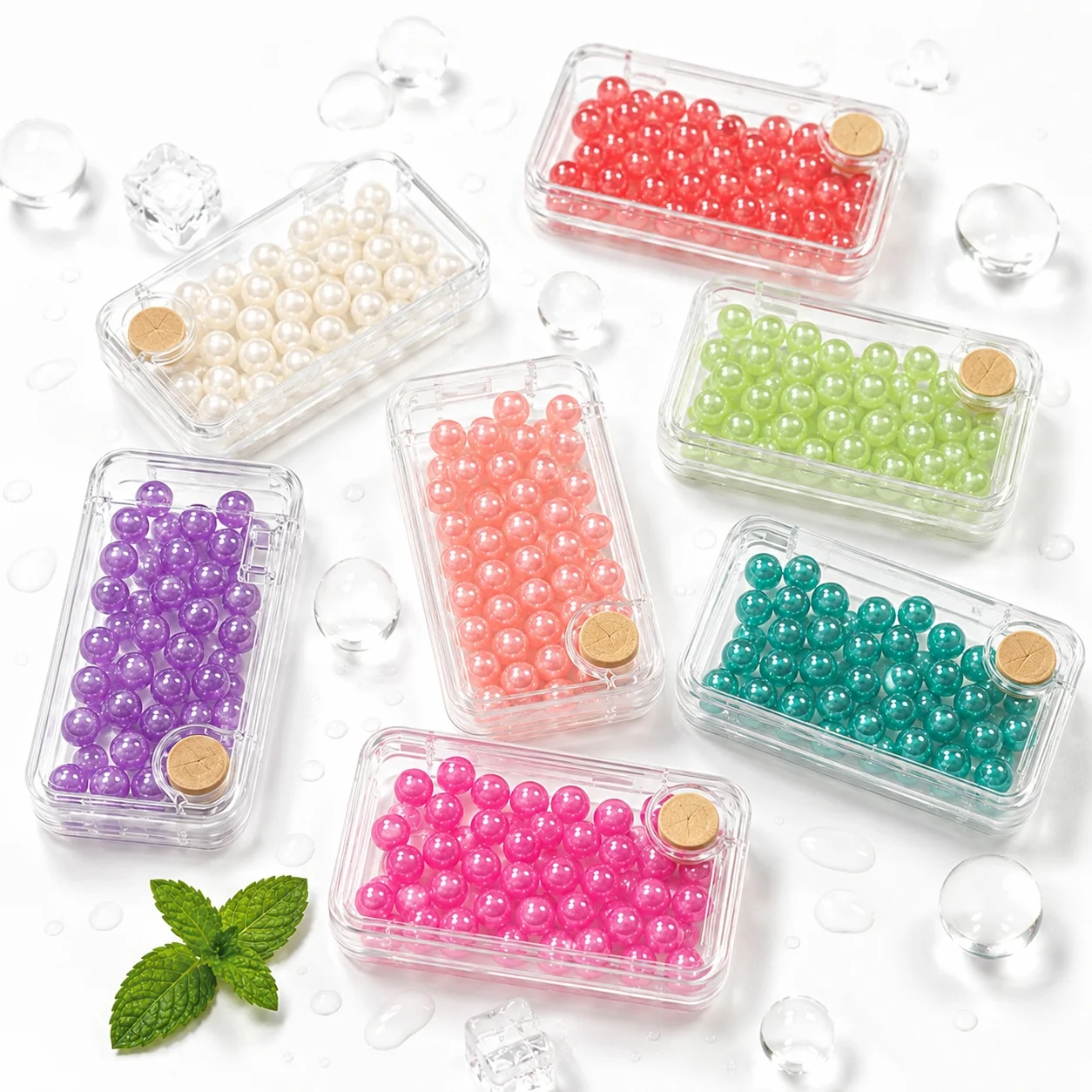
7-Flavor Burst Gum Collection
Enjoy a refreshing chew with a flavorful burst in every piece. With seven colorful varieties to explore, this portable gum collection adds fun to everyday moments.
View product →Request a sample and calculate your product cost.
Send the product name or reference, target market, estimated quantity and packaging idea. We can discuss a stock formula, formula adjustment or custom R&D route, then confirm sampling and manufacturing cost.