
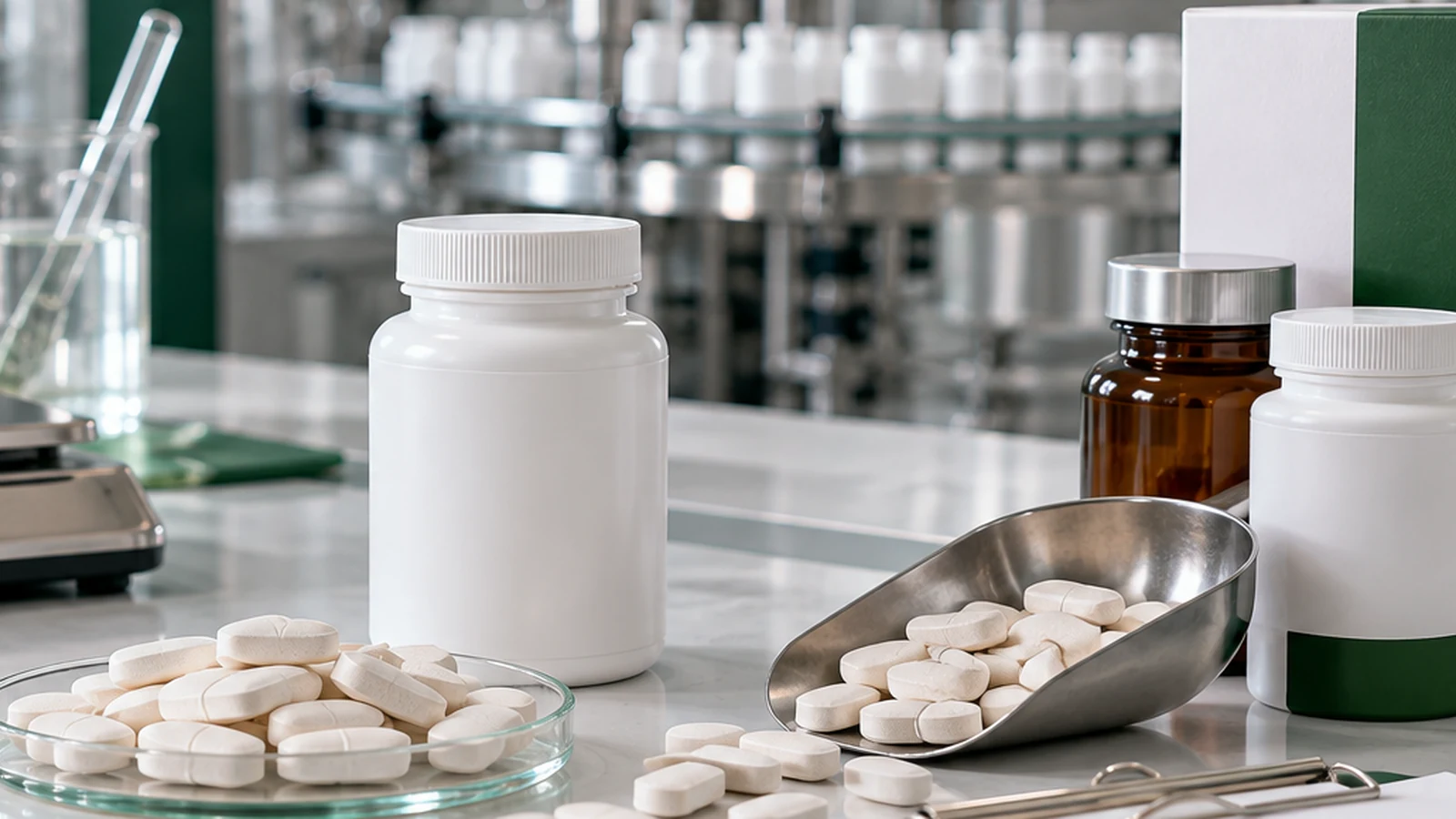
A supplement Certificate of Analysis, usually called a COA, is an important quality document, but buyers should understand what it actually represents. A COA is not automatically proof that every possible quality question has been answered, and not every COA contains the same test scope.
For B2B supplement buyers, the useful approach is to review the COA together with the product specification, lot information, testing plan and supplier documentation.
What is a supplement COA?
A COA normally records test results for a particular material or batch against defined specifications.
Depending on the material or product, the document may include:
- Product or material name
- Lot or batch number
- Manufacturing or test date
- Specification limits
- Test methods
- Actual results
- Pass/fail status
- Laboratory or quality approval information
The exact content depends on what is being tested and why.
Raw-material COA versus finished-product documentation
A raw-material COA and a finished-product test report answer different questions.
For example, a raw-material supplier may provide information about an ingredient specification, while a finished-product testing plan may address the completed product.
Buyers should avoid assuming that one document automatically covers the entire manufacturing and quality-control process.
Why supplier qualification matters
Under U.S. dietary-supplement CGMP rules, there are specific requirements around specifications, supplier qualification and reliance on a supplier’s certificate of analysis in relevant circumstances. FDA’s guidance explains that supplier reliability must be established and documented when relying on a supplier COA for certain component specifications. FDA dietary supplement CGMP guide
For B2B buyers, this is a useful reminder: do not look only for the letters “COA.” Look at what was tested, how the result is tied to the lot and how the document fits into the broader quality system.
What should a buyer check on a COA?
A practical review can include:
- Does the product/material name match the purchase specification?
- Is the lot or batch number clear?
- Are specification limits stated?
- Are actual results shown?
- Are test methods identified where relevant?
- Is the document linked to the correct production or material lot?
- Does the testing scope match the buyer’s needs?
- Is additional third-party testing required for the destination market or customer?
Identity, purity, strength and composition
FDA’s dietary-supplement CGMP framework includes requirements related to specifications for identity, purity, strength, composition and limits on certain types of contamination.
The exact testing and documentation route depends on the material, product and manufacturing process. A buyer should therefore review the scope rather than assuming that every product should have an identical COA format.
When third-party testing may be useful
Additional independent testing may be useful when:
- A buyer has a specific customer requirement
- A destination market requires additional documentation
- A retailer or marketplace asks for certain test reports
- The formula includes ingredients that require additional verification
- The buyer wants an independent result for a specific specification
SILKROAD LANTING can coordinate with independent third-party testing laboratories when the project scope requires additional testing.
We do not recommend adding tests only for appearance. The testing plan should have a clear purpose tied to the product, market or customer requirement.
COA should be discussed before the purchase order
Testing and documentation can affect:
- Project cost
- Production timing
- Release timing
- Sample quantity
- Required retained material
- Destination-market documentation
For this reason, buyers should communicate documentation requirements during quotation and sampling, not after the product has already been produced.
Our development workflow
For OEM/ODM and private-label projects, we can discuss:
- Formula direction
- Lab and R&D review
- Sample development
- Production specification
- Packaging
- Cost calculation
- Standard documentation
- Additional third-party testing when required
- Manufacturing and delivery
Free sample support is available for qualified B2B projects. Shipping, product type and project eligibility are confirmed before dispatch.
See our formulation, lab and sampling process.
Ask for the document you actually need
If your customer asks for a “COA,” send us the exact requirement if possible. We can review whether the request refers to a raw material, finished product, specific contaminant panel, assay, microbiological test or another document.
That makes the quotation and testing plan more accurate.
For a COA/documentation question, sample request or product cost calculation, contact Nina@siroad.net or WhatsApp +86 132 0185 2373.
Start from a real product, then customize if needed.
Our published catalog contains current products for sampling and private-label discussions. Open a product to review the dosage form, health direction and B2B options.
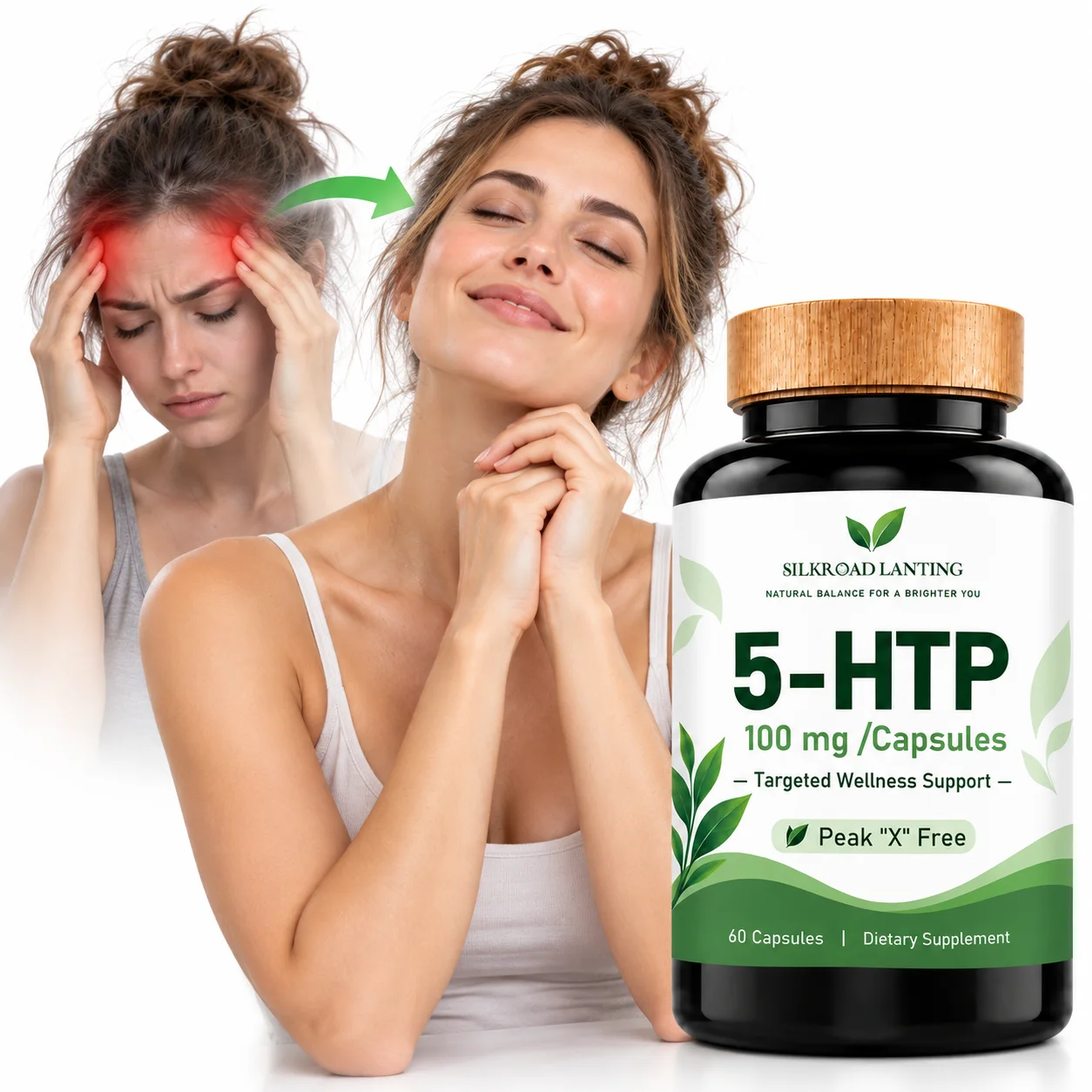
5-Hydroxytryptophan Capsules
5-HTP (5-Hydroxytryptophan) Capsules feature a plant-based formula labeled with 100 mg of 5-HTP per capsule, supporting everyday mood balance, relaxation, and sleep wellness.
View product →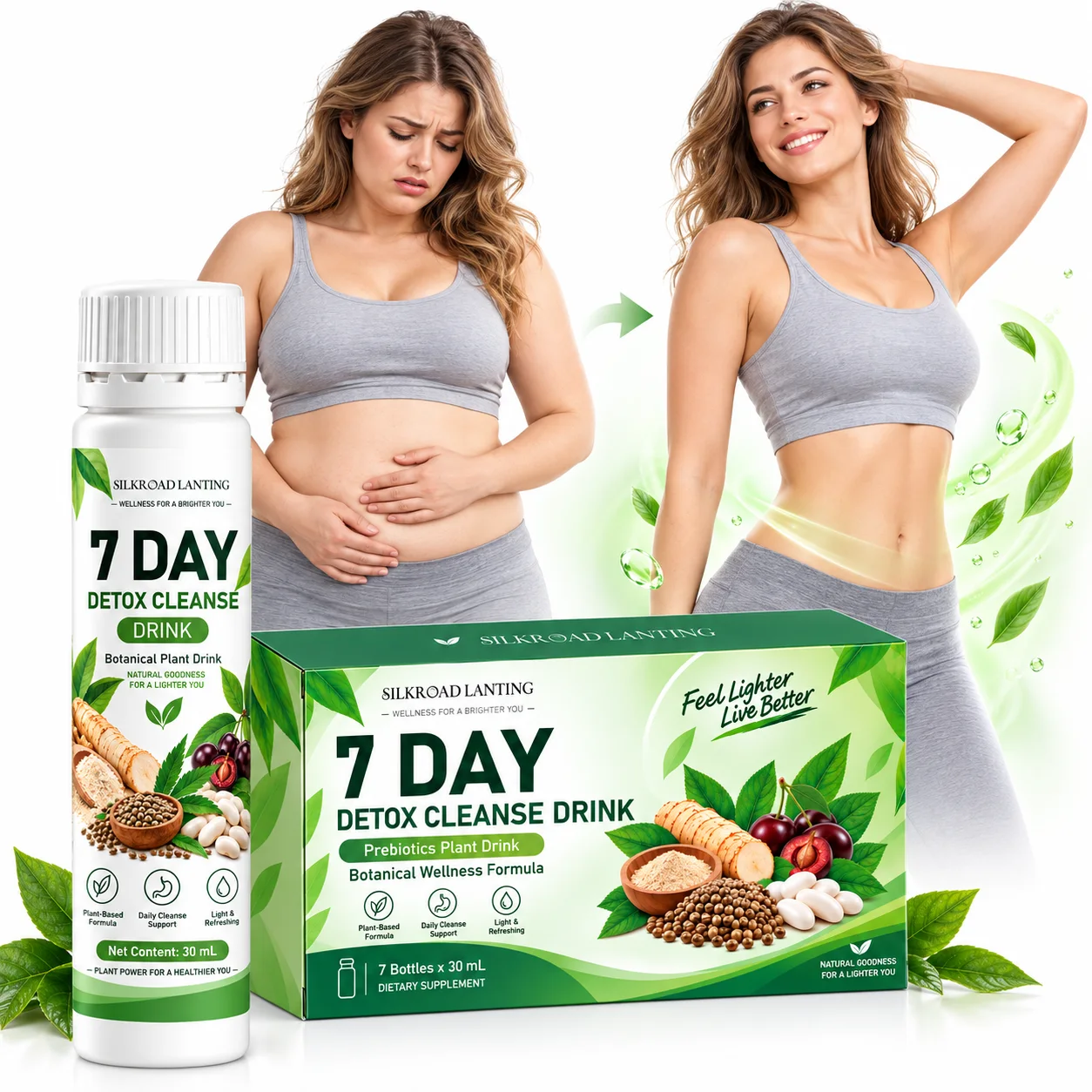
7-Day Botanical Wellness Drink
A multi-day botanical beverage concept for custom wellness projects.
View product →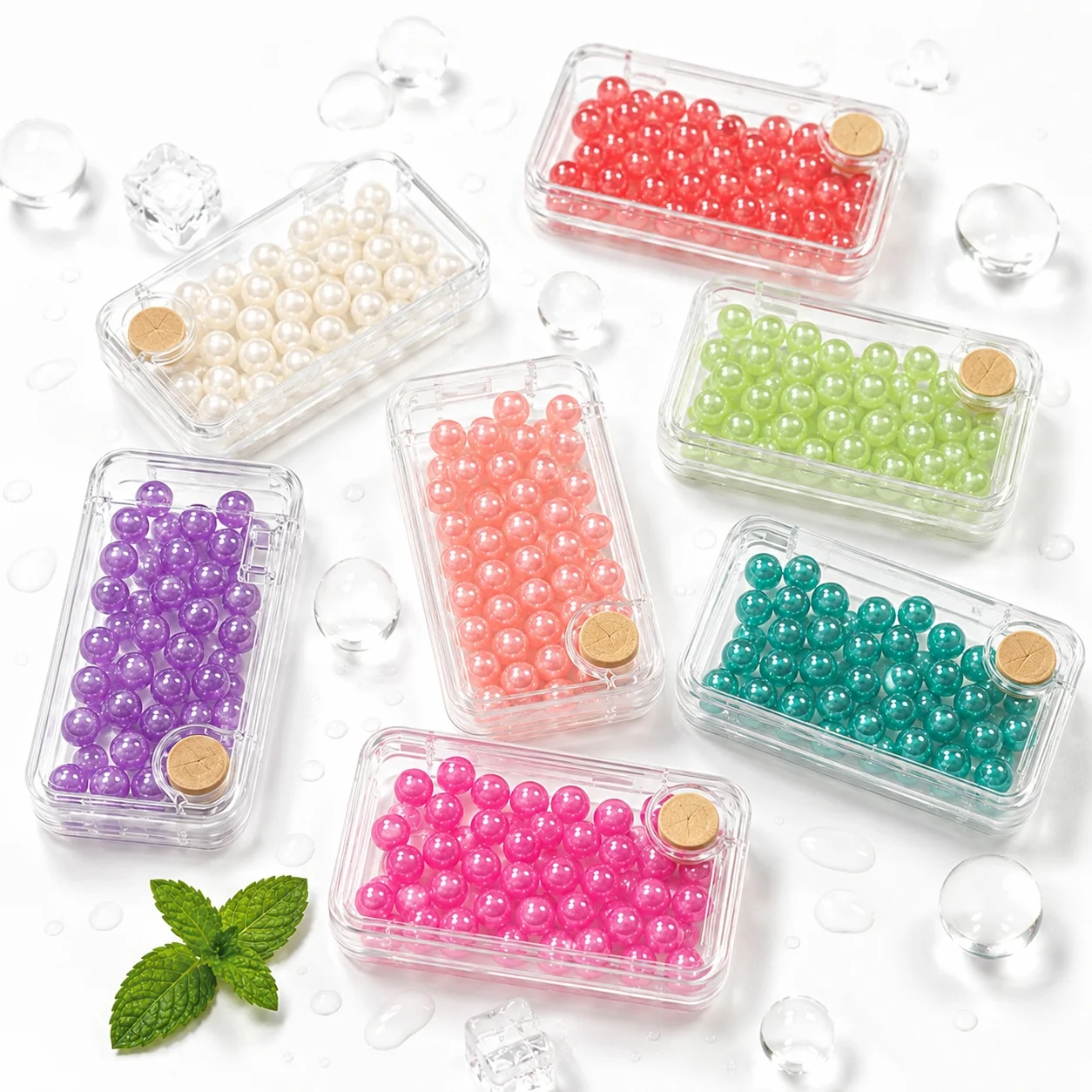
7-Flavor Burst Gum Collection
Enjoy a refreshing chew with a flavorful burst in every piece. With seven colorful varieties to explore, this portable gum collection adds fun to everyday moments.
View product →Request a sample and calculate your product cost.
Send the product name or reference, target market, estimated quantity and packaging idea. We can discuss a stock formula, formula adjustment or custom R&D route, then confirm sampling and manufacturing cost.