
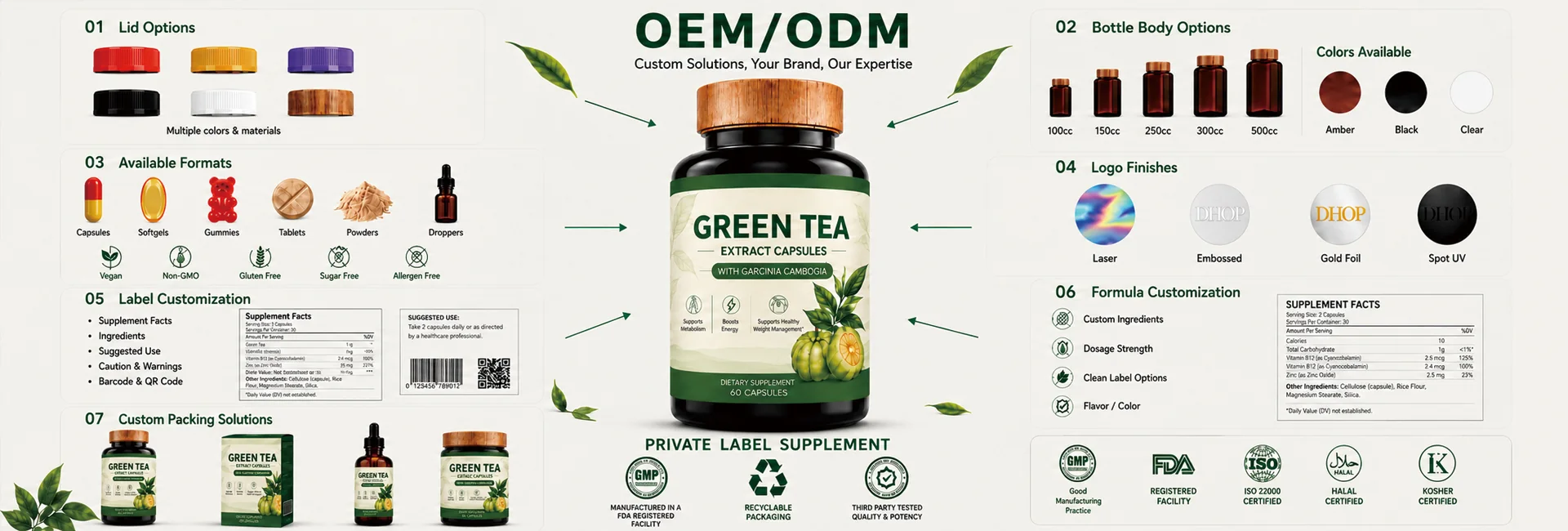
Dosage form is not a cosmetic choice. It changes formulation, serving size, consumer experience, packaging, MOQ and manufacturing route.
For B2B supplement development, the best format is the one that fits both the ingredient system and the commercial product.
Capsules
Capsules are one of the most flexible supplement formats. They work well for many vitamins, minerals, botanicals and multi-ingredient formulas.
Capsules may be a good starting point when a brand wants:
- Straightforward daily serving
- Flexible formula development
- Multiple bottle-count options
- A familiar private-label format
The main limitations are fill volume, number of capsules per serving and ingredients that are difficult to handle in dry fill.
Gummies
Gummies create a strong consumer experience because flavor, texture, color and shape become part of the product.
They are often considered for beauty, family nutrition and daily wellness concepts. However, gummy development requires more decisions than capsule development. Ingredient compatibility, taste, texture, sugar system and stability all matter.
For OEM/ODM projects, brands should decide whether the commercial advantage of a gummy justifies the additional development and production complexity.
Powders
Powders can support larger serving sizes and flexible ingredient systems. They are common in sports nutrition, protein, hydration, greens and wellness blends.
Powder development typically includes:
- Serving size
- Flavor system
- Sweetener direction
- Mixability
- Tub, pouch or single-serve packaging
Powders can also be a strong route for product systems where one serving contains more material than a capsule format can comfortably hold.
Softgels
Softgels are widely used for oils and selected lipid-soluble ingredients. The smooth format is familiar to consumers and can be appropriate for omega-3 and oil-based products.
The fill material, shell system, capsule size and bottle presentation should be considered together.
Tablets and chewables
Tablets can be efficient for compact doses and scalable programs. Chewable tablets can offer a more consumer-friendly experience when taste and convenience matter.
Effervescent tablets create another route by turning the serving into a beverage experience.
Liquids, drops and sprays
Liquid formats can support flexible serving and distinctive botanical or wellness positioning. Bottle, dropper and flavor become important parts of the product.
Oral sprays can be useful for compact specialty formats, but ingredient and dose suitability must be reviewed carefully.
Stick packs and sachets
Single-serve formats can improve portability and create a structured daily routine. They are commonly paired with powders or granules.
They can also support trial packs, travel use and multi-stage programs.
Oral dissolving strips and specialty formats
Innovative formats can help a brand differentiate, but novelty should not be the only reason to choose them. Ingredient compatibility, usable dose and manufacturing feasibility still come first.
Start with five questions
Before choosing a dosage form, ask:
- What ingredients and serving size are required?
- Who is the target consumer?
- What experience should the product create?
- What packaging fits the sales channel?
- What production volume is realistic for launch?
The best dosage form is the result of these decisions, not the starting assumption.
SILKROAD LANTING supports 19 development formats across solid dose, soft chewable, powders, single-serve, liquids, beverages and specialty products. The format can then be connected to private label, custom formula and OEM/ODM manufacturing.
Start from a real product, then customize if needed.
Our published catalog contains current products for sampling and private-label discussions. Open a product to review the dosage form, health direction and B2B options.
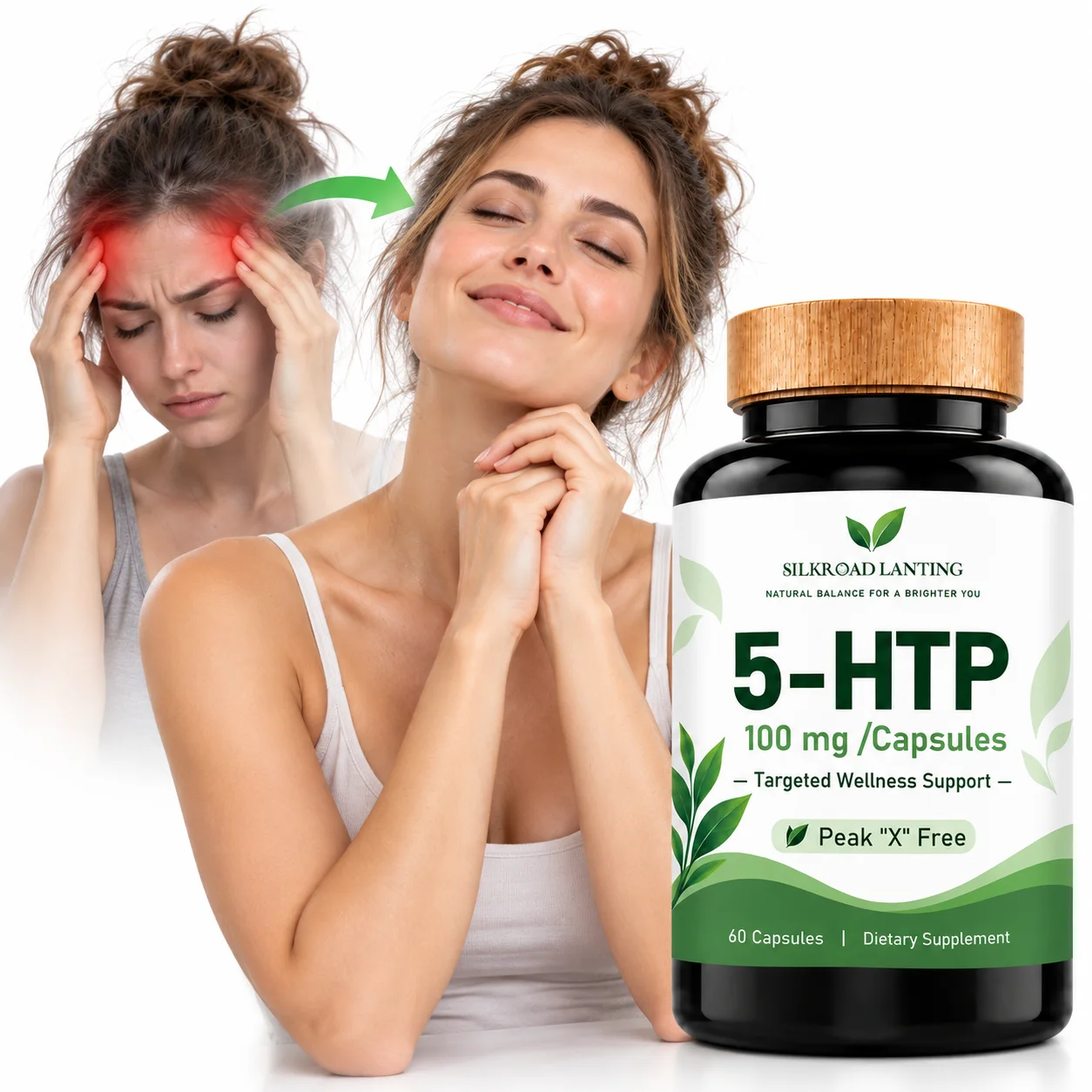
5-Hydroxytryptophan Capsules
5-HTP (5-Hydroxytryptophan) Capsules feature a plant-based formula labeled with 100 mg of 5-HTP per capsule, supporting everyday mood balance, relaxation, and sleep wellness.
View product →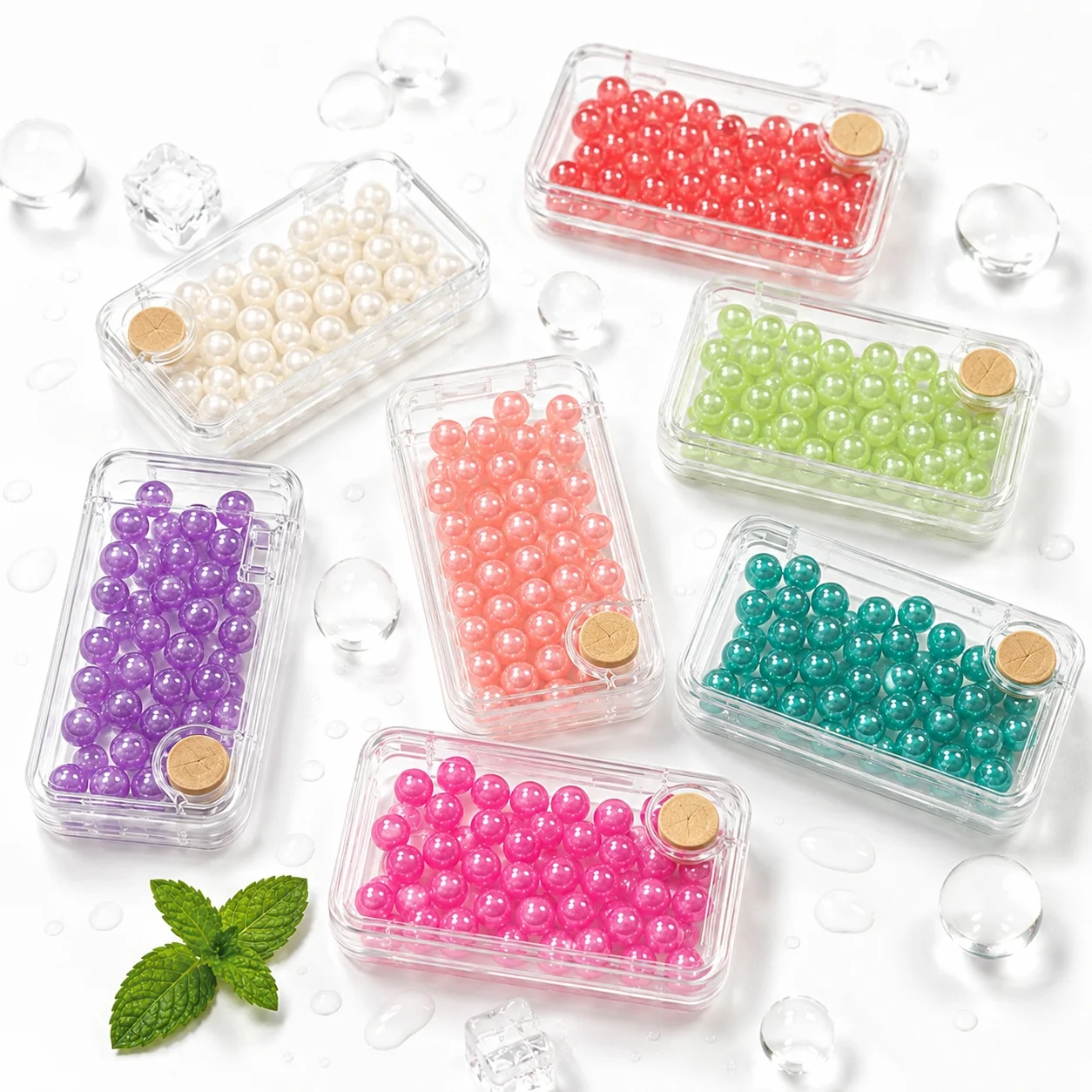
7-Flavor Burst Gum Collection
Enjoy a refreshing chew with a flavorful burst in every piece. With seven colorful varieties to explore, this portable gum collection adds fun to everyday moments.
View product →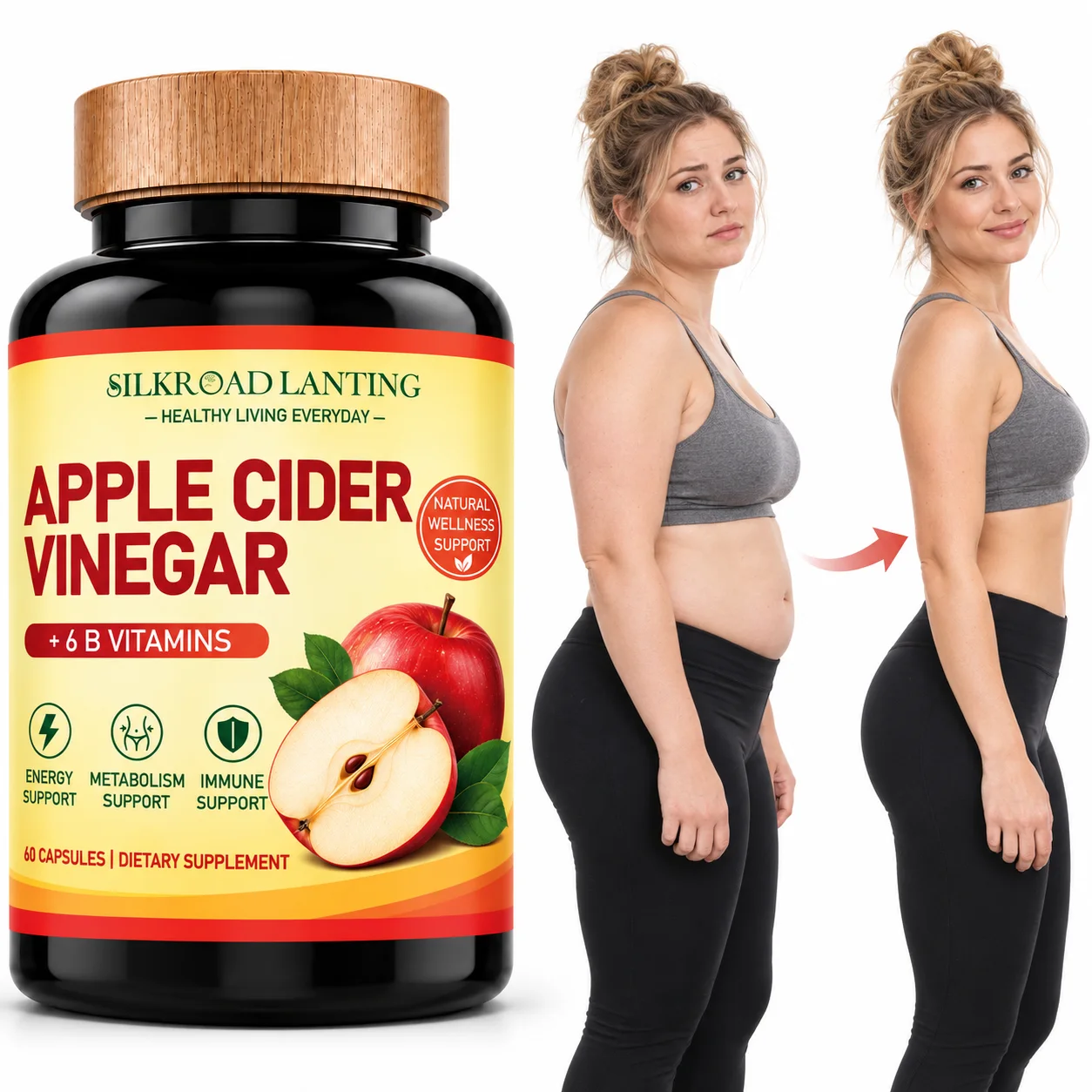
Apple Cider Vinegar Capsules
ACV capsules have the most credible support for **post-meal blood sugar smoothing** and **modest weight loss as part of a calorie-controlled diet**. Benefits are real but small, and capsule dosing may underdeliver vs. the liquid doses studied. If you have diabetes or take medication, consult your doctor before starting.
View product →Request a sample and calculate your product cost.
Send the product name or reference, target market, estimated quantity and packaging idea. We can discuss a stock formula, formula adjustment or custom R&D route, then confirm sampling and manufacturing cost.