
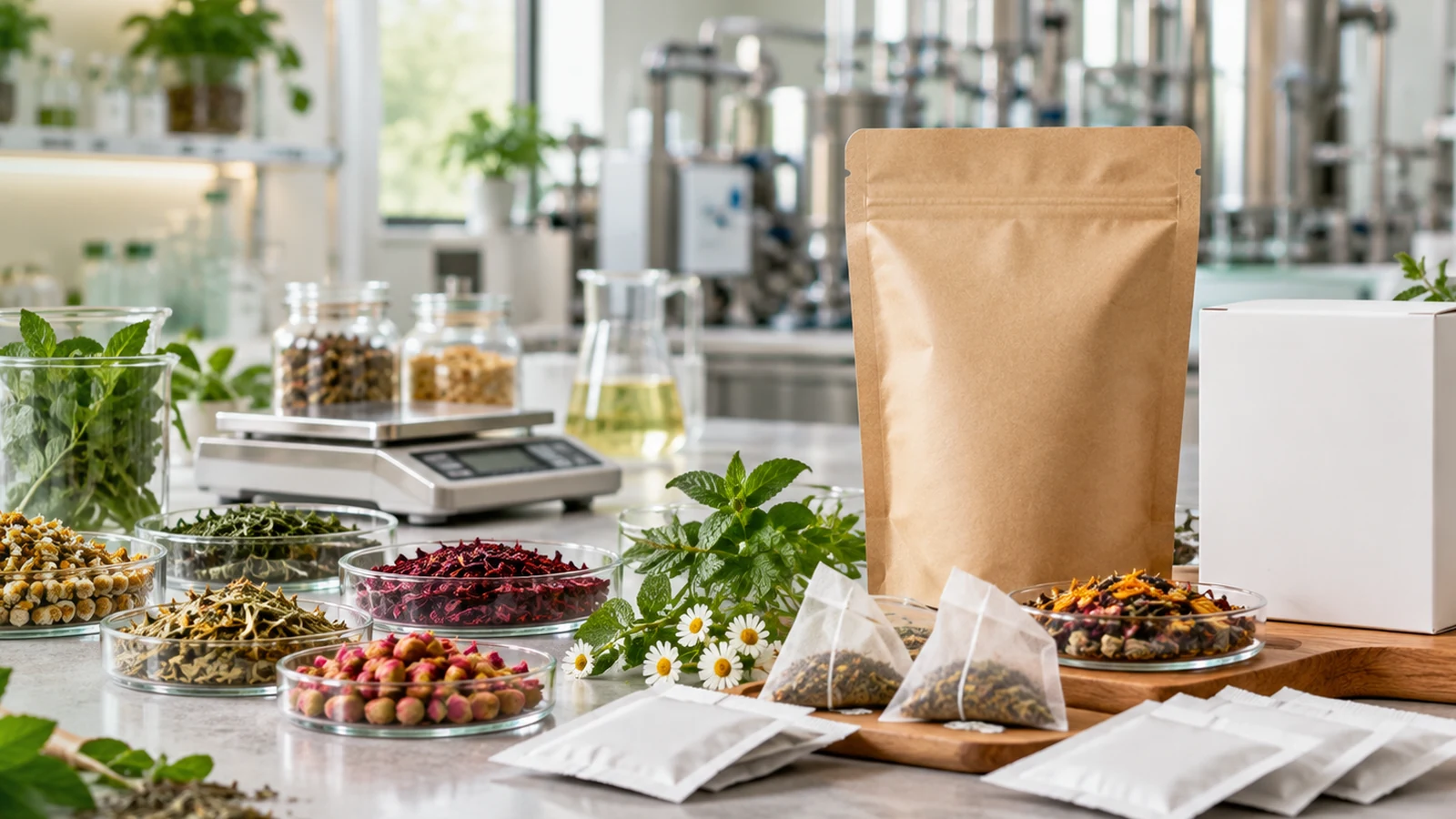
A supplement manufacturing estimate becomes useful only when the manufacturer understands what is actually being produced. Asking “How much is a bottle?” without a formula, serving size or packaging specification usually produces a rough number that may change later.
For buyers comparing factories, the goal should be a quote that can survive the next stages of the project.
Why early estimates change
A first quotation can change because the buyer later changes:
- Ingredient specification
- Active level
- Dosage form
- Serving size
- Units per serving
- Bottle or pouch size
- Printed packaging
- Testing scope
- Order quantity
These changes are normal, but they explain why a one-line price comparison can be misleading.
See our supplement manufacturing cost and estimate page.
1. Send the formula or a reference product
If you already have a formula, send it with ingredient amounts per serving.
If you do not have a formula, send a reference product or explain the target consumer and product direction. The R&D team can then discuss whether an existing formula, formula adjustment or custom development route is more appropriate.
2. Confirm dosage form before comparing cost
Capsules, tablets, gummies, powders, softgels, liquids, tea and oral strips use different production processes.
The same ingredient concept can produce very different economics in different dosage forms.
For example, changing a high-dose formula from capsules to powder may change:
- Units per serving
- Packaging
- Consumer experience
- Processing
- Freight weight
The dosage form is therefore part of the cost model.
3. Define serving size and pack count
A buyer should specify:
- Grams or units per serving
- Servings per day
- Servings per package
- Bottle count / pouch weight / sticks per box
A formula cannot be costed correctly if the manufacturer does not know how much product is inside each retail unit.
4. Packaging can change MOQ more than the formula
A simple bottle with a pressure-sensitive label may have a different commercial minimum from a fully printed pouch, carton or stick-pack film.
Ask for two routes when possible:
- Standard packaging + custom label
- Fully custom printed packaging
This shows how much customization is affecting the first-order budget.
5. Testing and documentation should be included early
Testing is not an optional afterthought when the buyer already knows what documentation is required for the destination market.
Define whether the project needs:
- Standard batch documentation
- COA
- Additional third-party testing
- Specific destination-market documents
The exact scope depends on the product and market.
6. Quantity changes unit economics
Small batches can reduce the buyer's total cash commitment, but setup and packaging costs are spread across fewer units.
A useful manufacturer estimate should therefore show the quantity being quoted, not only a unit price.
For startups, compare at least two practical quantities when possible.
7. Give the manufacturer a target cost if you have one
A target cost does not guarantee the formula can meet that number, but it helps the development team make better tradeoffs.
Possible cost-engineering decisions may include:
- Different serving architecture
- Existing formula instead of full custom development
- Simpler packaging
- Different dosage form
- Ingredient substitutions where technically and commercially appropriate
The goal is not always to make the cheapest product. It is to design a product that fits the intended retail price and margin.
A simple quote brief
Before asking for an estimate, prepare:
- Product or formula
- Dosage form
- Serving size
- Pack count
- Quantity
- Packaging
- Target market
- Testing requirements
- Target unit cost if known
This is enough to turn a vague price request into a serious manufacturing discussion.
Estimate first, then sample and confirm
An initial estimate helps decide whether the project is commercially realistic. Sampling then confirms the product direction. The final production quote should reflect the approved formula, packaging and quantity.
Request a supplement manufacturing estimate.
For a project-specific quote, contact Nina@siroad.net or WhatsApp.
Start from a real product, then customize if needed.
Our published catalog contains current products for sampling and private-label discussions. Open a product to review the dosage form, health direction and B2B options.
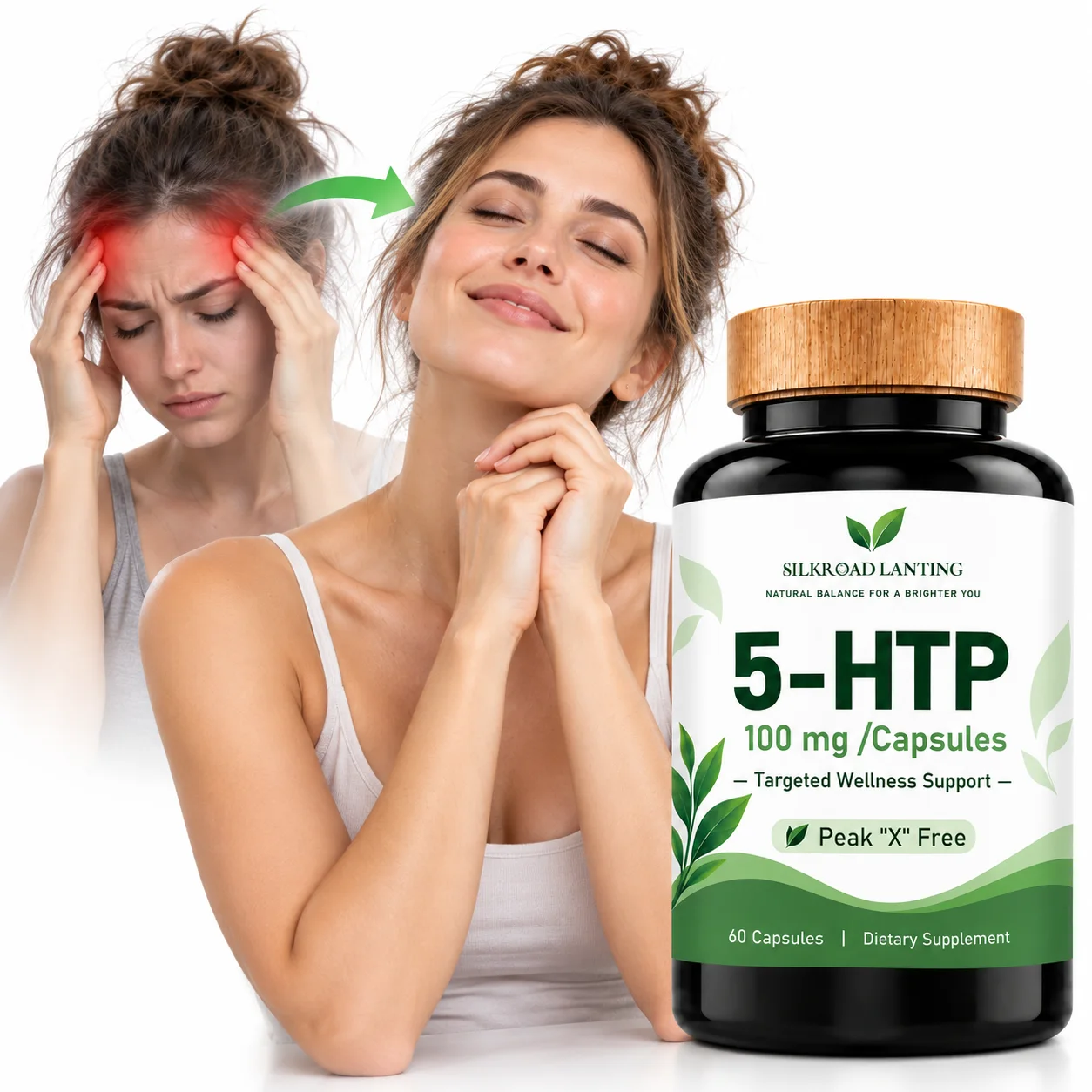
5-Hydroxytryptophan Capsules
5-HTP (5-Hydroxytryptophan) Capsules feature a plant-based formula labeled with 100 mg of 5-HTP per capsule, supporting everyday mood balance, relaxation, and sleep wellness.
View product →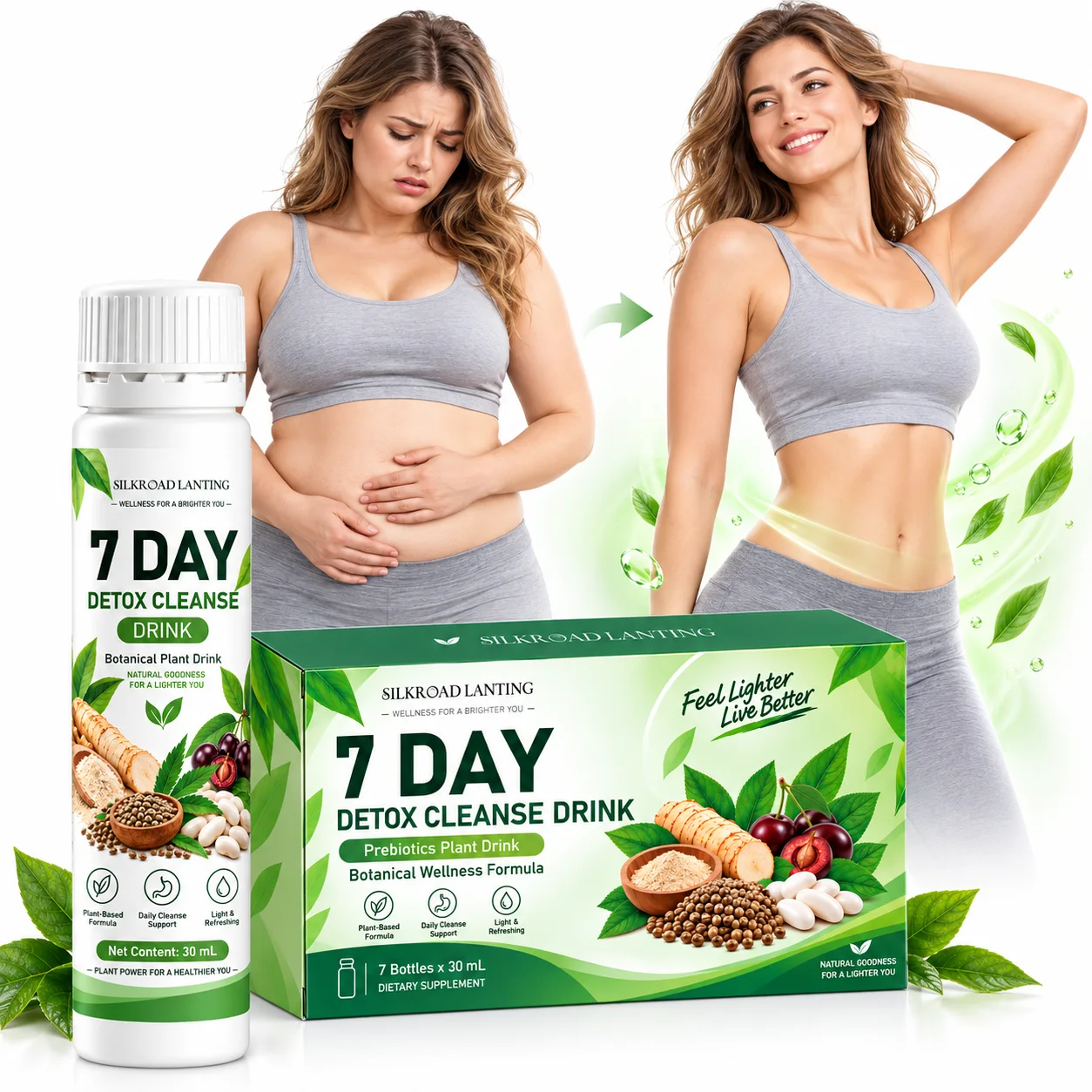
7-Day Botanical Wellness Drink
A multi-day botanical beverage concept for custom wellness projects.
View product →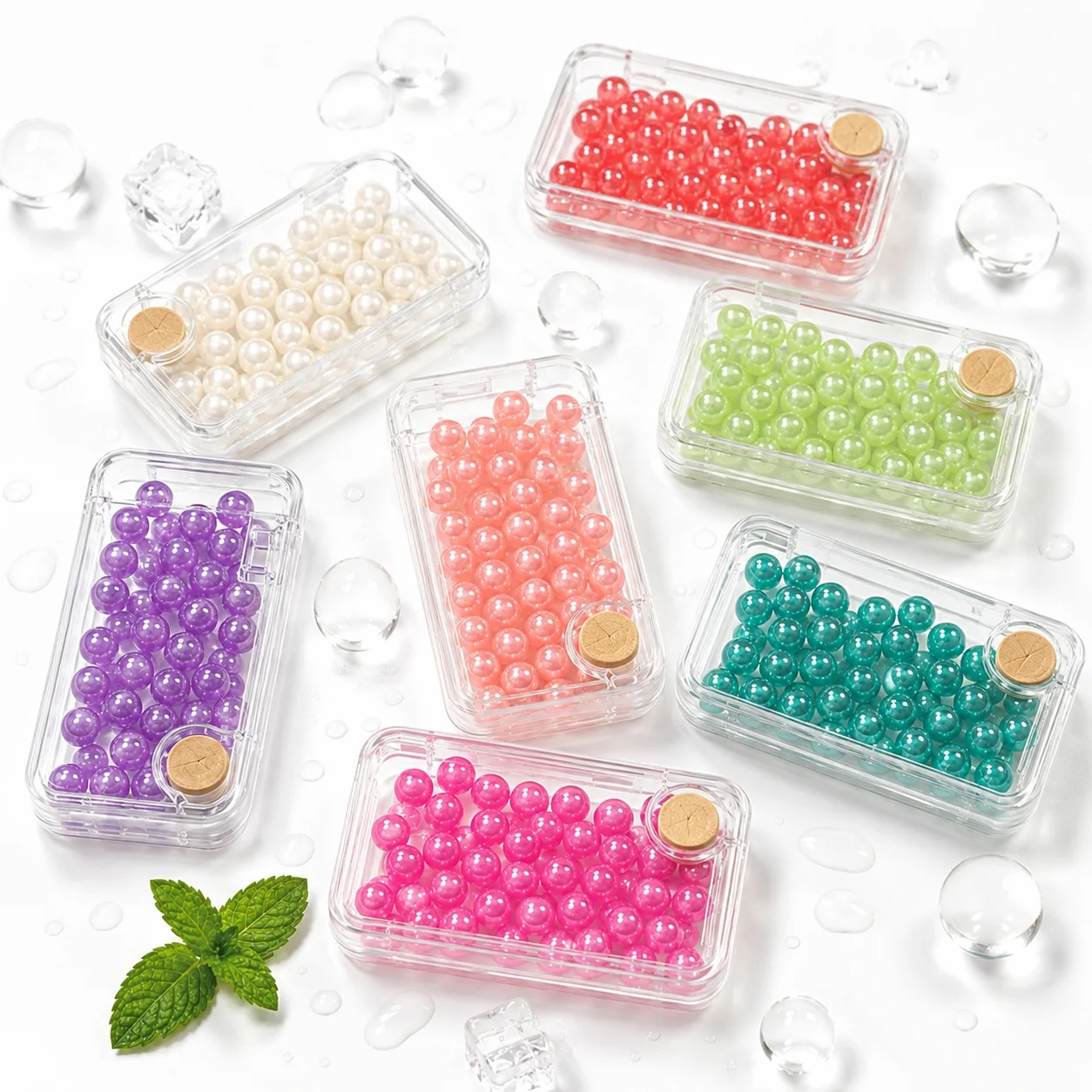
7-Flavor Burst Gum Collection
Enjoy a refreshing chew with a flavorful burst in every piece. With seven colorful varieties to explore, this portable gum collection adds fun to everyday moments.
View product →Request a sample and calculate your product cost.
Send the product name or reference, target market, estimated quantity and packaging idea. We can discuss a stock formula, formula adjustment or custom R&D route, then confirm sampling and manufacturing cost.