
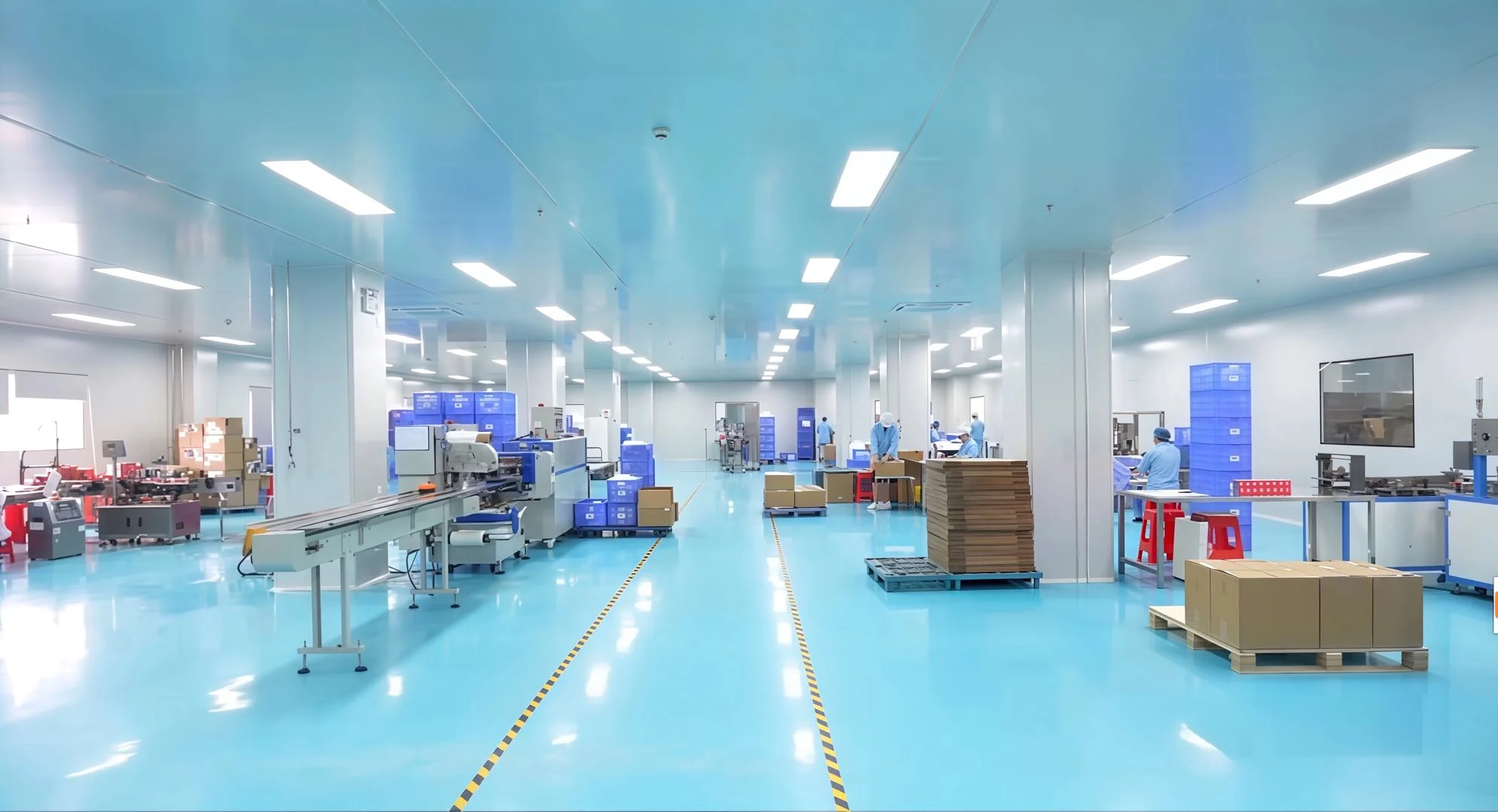
OEM/ODM supplement manufacturing is easiest to manage when every stage has a clear decision and owner. A project becomes difficult when formulation, packaging and production are discussed as separate tasks.
1. Product brief
The project should start with a short commercial brief, not a long technical document.
Include:
- Target market
- Target customer
- Health direction
- Dosage form
- Reference formula or product
- Estimated quantity
- Packaging preference
- Desired launch timing
This allows the development team to identify what is already defined and what still needs to be decided.
2. Choose the dosage form
Dosage form affects the entire project. Capsules, gummies, powders, softgels, liquids, oral strips and beverages have different formulation and packaging constraints.
A brand may begin with an ingredient idea but discover that another format creates a better consumer experience or a more practical first production run.
For this reason, dosage form should be selected before detailed packaging work.
3. Select the development route
Most projects fall into one of three routes:
- Private label: use an existing product or formula platform
- Formula adjustment: modify an existing direction for the brand
- Custom development: build the product around a new brief
The right route depends on differentiation, budget, launch timing and order size.
4. Formula review
The development team reviews ingredients, serving size, format compatibility and target-market considerations. Flavor, color and texture also matter for gummies, powders, liquids and beverages.
At this stage, claims should not drive the formula beyond what can be supported. For U.S. dietary supplements, structure/function claims must be substantiated and cannot cross into unapproved disease claims. FDA guidance on supplement claims
5. Packaging route
Packaging is chosen according to product format and commercial channel.
Common decisions include:
- Bottle size and count
- Pouch or sachet format
- Stick pack size
- Carton requirement
- Label or printed packaging
- Cap, dropper or closure style
For a new brand, standard components can often simplify the first production run.
6. Sampling and confirmation
Sampling is where the concept becomes tangible. Depending on the project, the sample may be used to review flavor, color, texture, capsule size, powder mixability, packaging fit or general presentation.
The goal is not only approval. It is also to identify changes before larger-scale production.
7. Production planning
Once the product specification is confirmed, the production route is scheduled around materials, packaging, line availability and quality requirements.
A professional handoff should confirm the final formula, packaging specification, quantity and artwork before the production run begins.
8. Quality control and documentation
Testing and documentation depend on product type and market. Buyers should confirm what is included in the standard project and what additional testing or documentation may be required for their destination market.
9. Packing and delivery
Final products are packed according to the approved configuration and prepared for delivery. Export projects also require careful coordination of cartons, shipping documents and destination requirements.
OEM/ODM is a project-management capability
Factories are important, but equipment alone does not create a successful OEM/ODM project. The real capability is connecting customer requirements, formulation, packaging, manufacturing and communication into one controlled process.
That is the role SILKROAD LANTING aims to provide for B2B supplement projects: a clear path from product idea to market-ready production.
Start from a real product, then customize if needed.
Our published catalog contains current products for sampling and private-label discussions. Open a product to review the dosage form, health direction and B2B options.
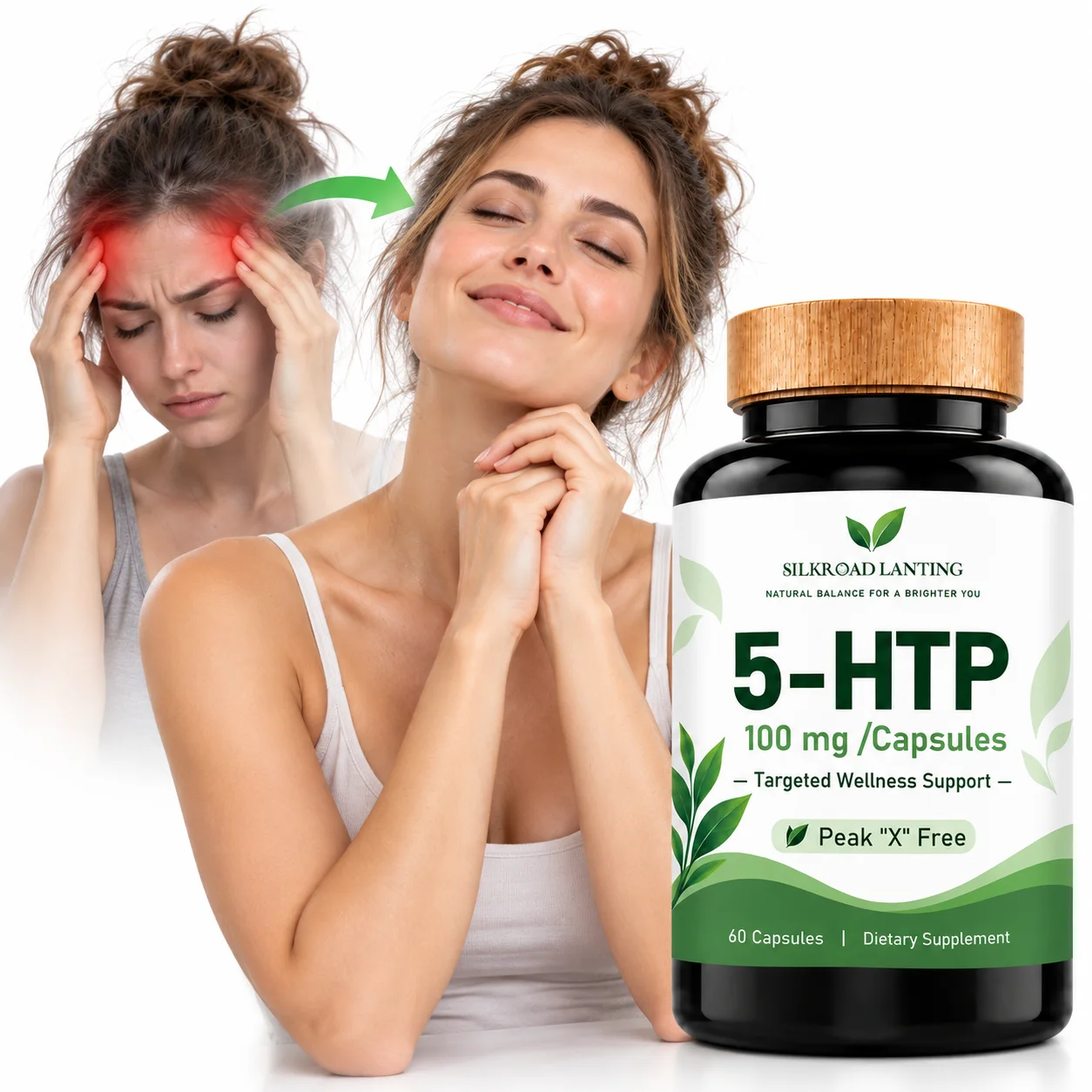
5-Hydroxytryptophan Capsules
5-HTP (5-Hydroxytryptophan) Capsules feature a plant-based formula labeled with 100 mg of 5-HTP per capsule, supporting everyday mood balance, relaxation, and sleep wellness.
View product →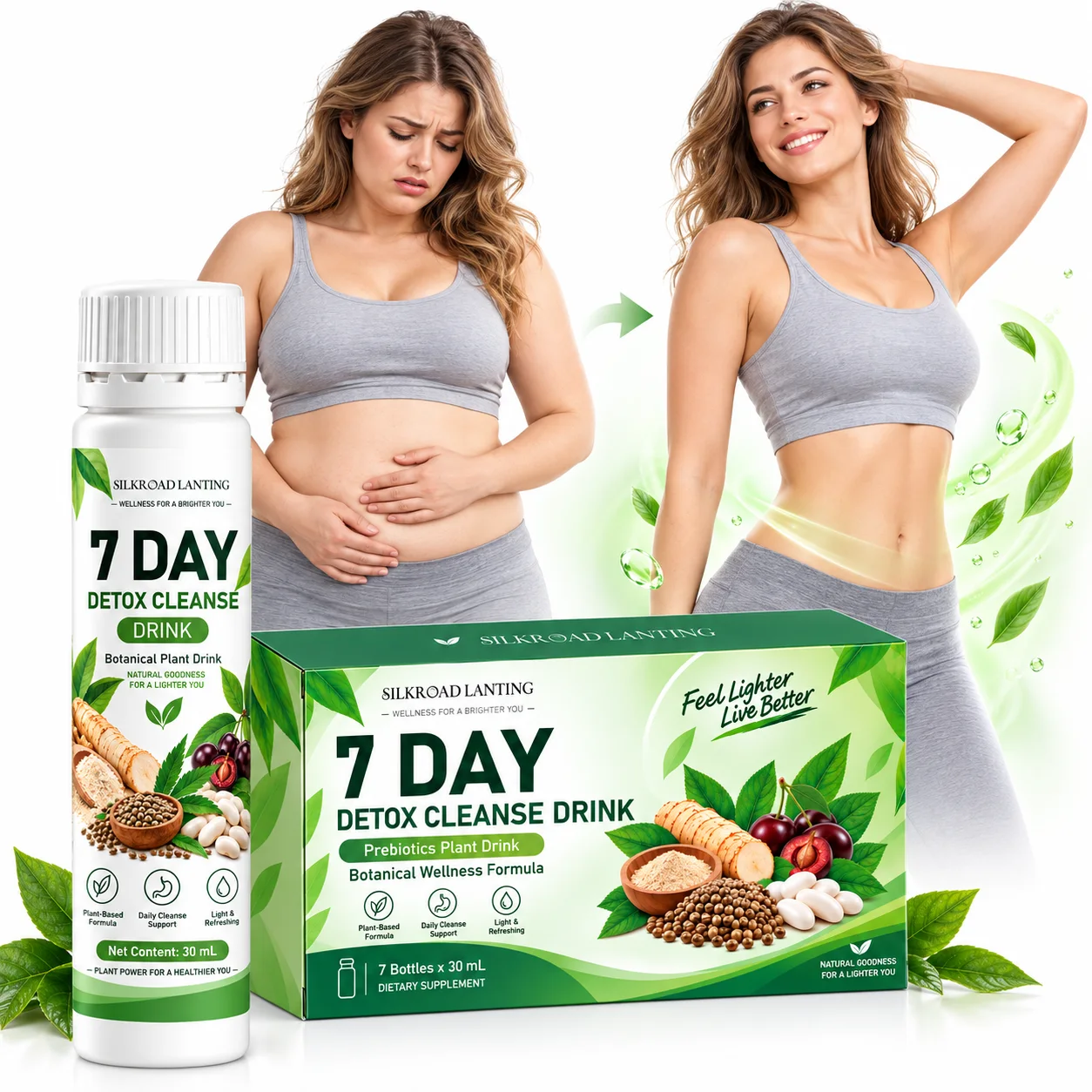
7-Day Botanical Wellness Drink
A multi-day botanical beverage concept for custom wellness projects.
View product →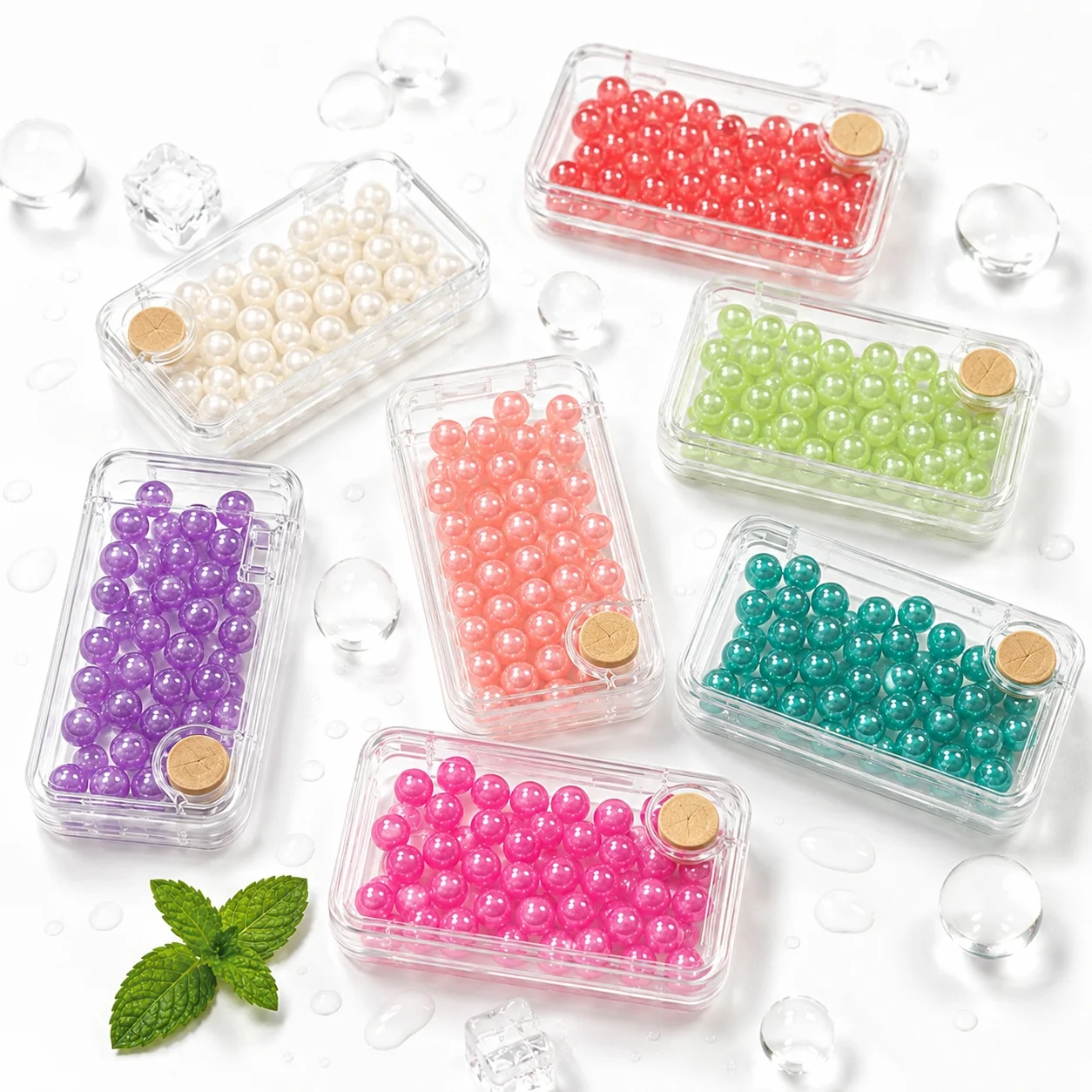
7-Flavor Burst Gum Collection
Enjoy a refreshing chew with a flavorful burst in every piece. With seven colorful varieties to explore, this portable gum collection adds fun to everyday moments.
View product →Request a sample and calculate your product cost.
Send the product name or reference, target market, estimated quantity and packaging idea. We can discuss a stock formula, formula adjustment or custom R&D route, then confirm sampling and manufacturing cost.