
Supplement buyers often use OEM, ODM and private label as if they mean exactly the same thing. In real projects, the boundaries can overlap.
The useful question is not which acronym sounds better. It is how much of the product is already defined and how much development support the buyer needs.
A practical OEM model
In an OEM-style project, the buyer usually brings more of the product specification.
That may include:
- Formula
- Ingredient targets
- Product specification
- Packaging requirement
- Artwork
- Testing requirement
The manufacturing partner focuses on turning that defined specification into a produced product.
This route can make sense when the buyer already has strong technical control.
A practical ODM model
In an ODM-style project, the supplier contributes more product-development input.
The manufacturer or development team may help with:
- Formula direction
- Existing product platforms
- Dosage form
- Sample development
- Packaging
- Cost engineering
- Manufacturing specification
This can be useful when the buyer has a market idea but not a complete formula.
Where private label fits
Private label is often the fastest route because it starts from an existing product or formula.
The brand may mainly customize:
- Label
- Packaging
- Count
- Flavor
- Market positioning
For a new brand, this can reduce time and development risk.
Which route is faster?
In general, the fewer technical decisions that must be created from zero, the faster the project can move.
A stock private-label formula with standard packaging is usually simpler than a new custom gummy formula with printed packaging.
However, speed still depends on materials, sampling, artwork and production scheduling.
Which route gives more differentiation?
Custom OEM/ODM development can create more differentiation, but it also requires more decisions.
Brands should ask whether the additional customization will improve the customer offer enough to justify the extra cost and time.
Differentiation can also come from:
- Product system design
- Packaging
- Serving format
- Target consumer
- Bundle strategy
- Brand story
A unique formula is only one option.
How MOQ changes
MOQ can increase when the project requires:
- New ingredient sourcing
- Custom printed components
- Special dosage forms
- New flavors
- More sample iterations
Private-label routes often have more flexible starting points because the base product already exists.
Who should choose OEM?
OEM-style manufacturing may fit buyers who already have:
- A technical formula
- Defined specifications
- Packaging ready
- Quality requirements
- Internal product-development capability
Who should choose ODM or development support?
ODM-style support may fit buyers who have:
- A product idea
- A competitor reference
- A target consumer
- A target price
- A packaging concept
but still need help turning those inputs into a manufacturable product.
Our approach is flexible
SILKROAD LANTING supports private label, formula adjustment and custom OEM/ODM development.
Our lab and R&D team can help when a project is not yet technically complete, while our manufacturing side can execute a confirmed specification.
This allows the project route to match the buyer rather than forcing every buyer into one model.
How to choose
Ask yourself:
- Do I already have a finished formula?
- Do I need samples before production?
- How much differentiation do I need?
- What is my launch timing?
- What is my first-order budget?
- How much packaging customization is necessary?
Send us those answers and a reference product. We can recommend a practical development route.
Contact Nina@siroad.net or WhatsApp.
Start from a real product, then customize if needed.
Our published catalog contains current products for sampling and private-label discussions. Open a product to review the dosage form, health direction and B2B options.
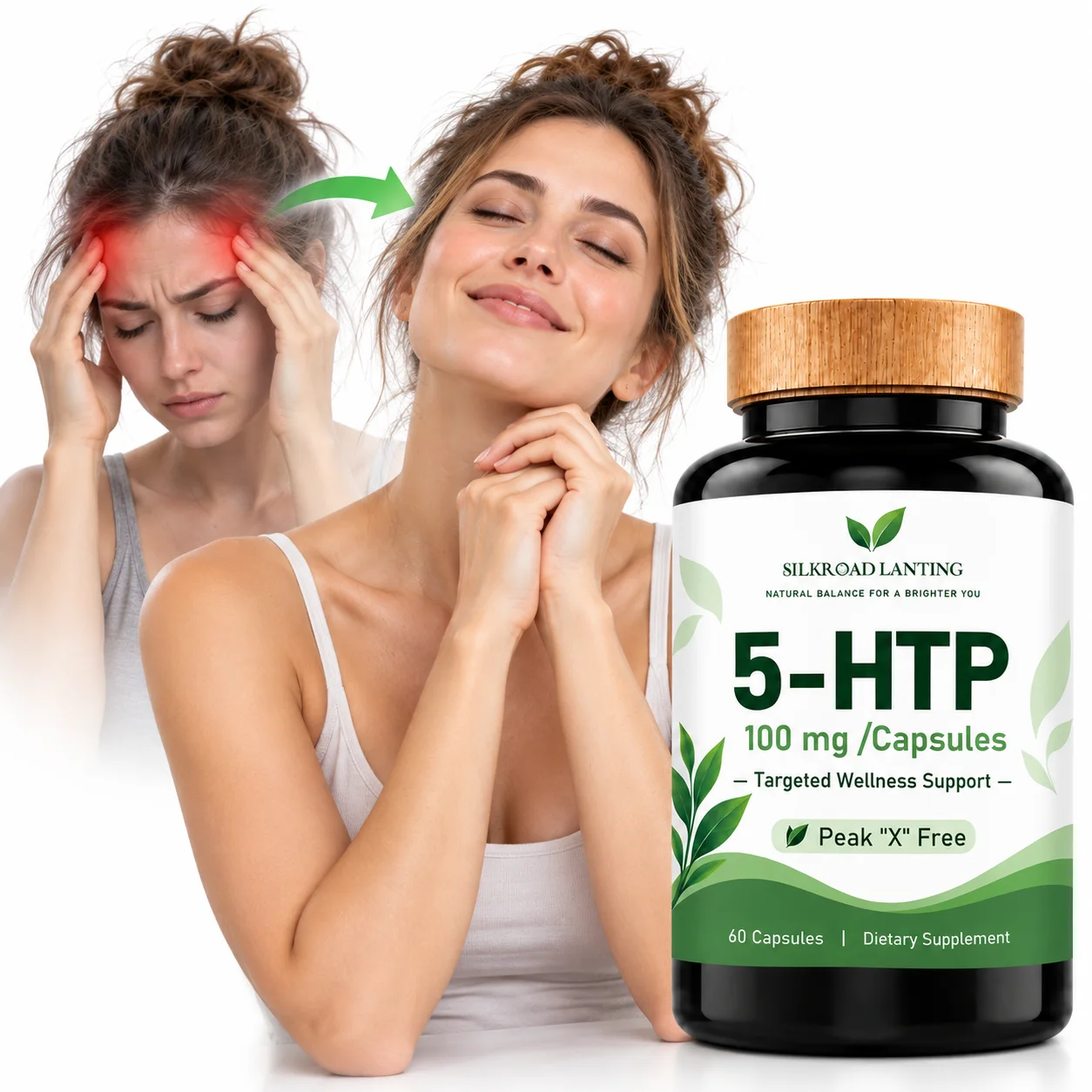
5-Hydroxytryptophan Capsules
5-HTP (5-Hydroxytryptophan) Capsules feature a plant-based formula labeled with 100 mg of 5-HTP per capsule, supporting everyday mood balance, relaxation, and sleep wellness.
View product →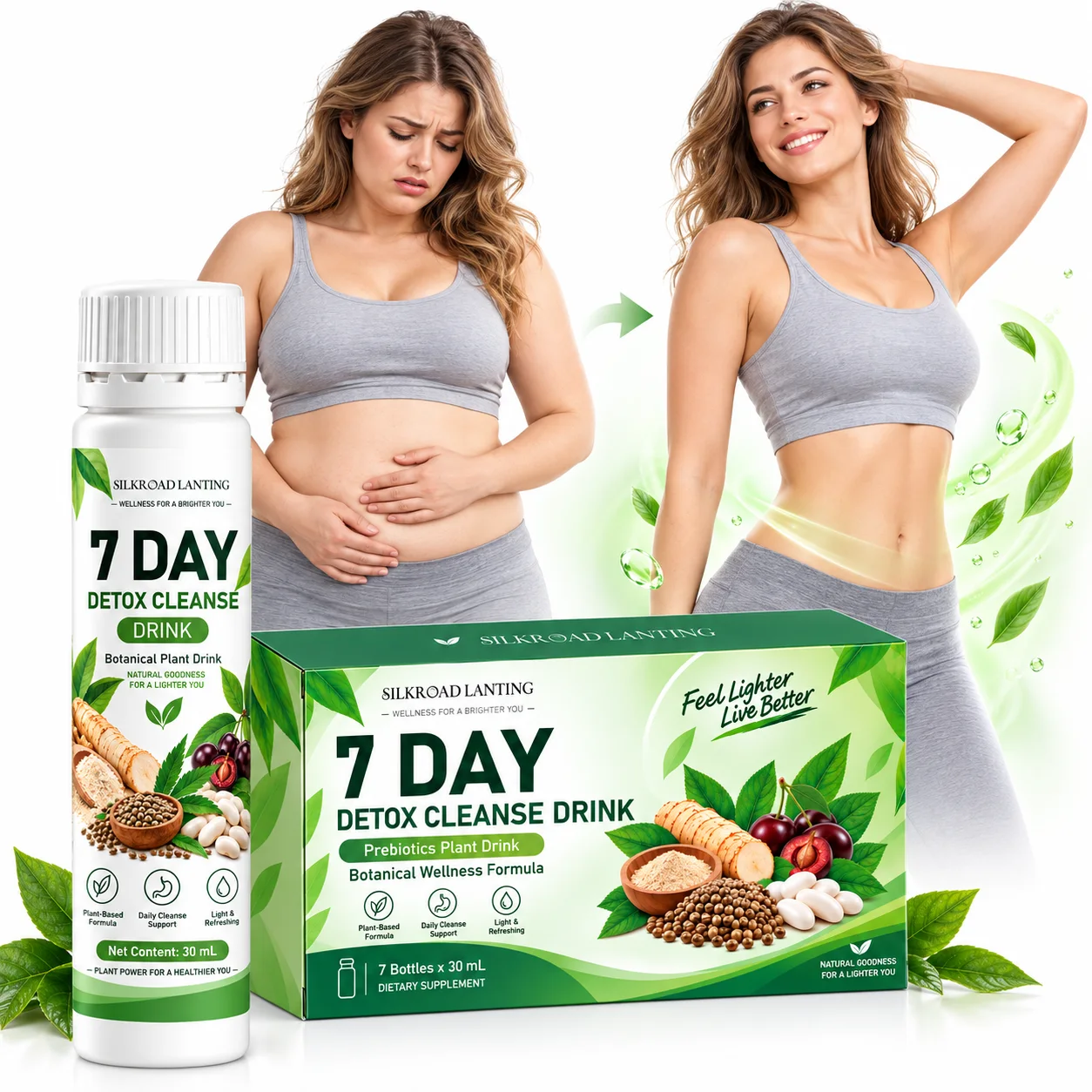
7-Day Botanical Wellness Drink
A multi-day botanical beverage concept for custom wellness projects.
View product →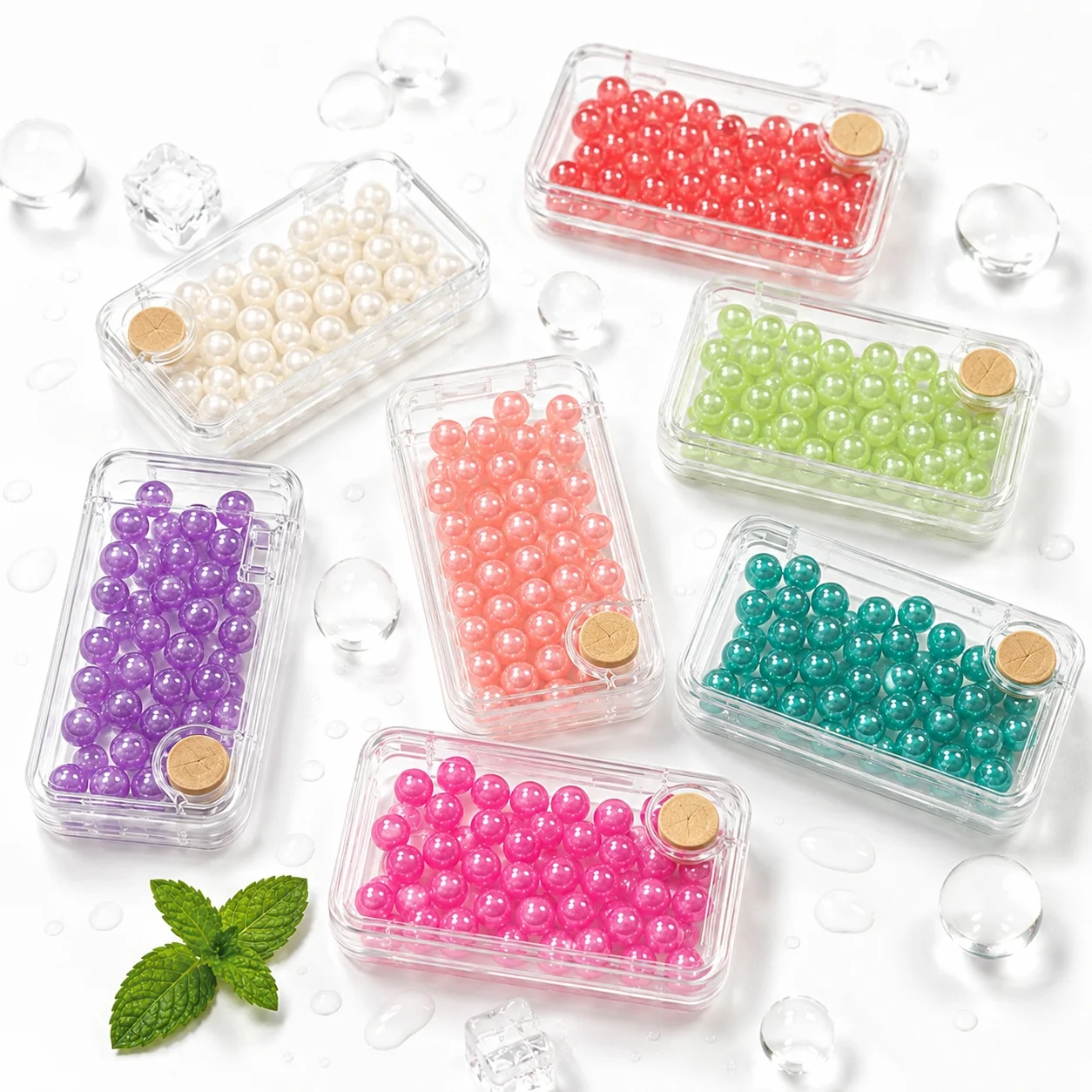
7-Flavor Burst Gum Collection
Enjoy a refreshing chew with a flavorful burst in every piece. With seven colorful varieties to explore, this portable gum collection adds fun to everyday moments.
View product →Request a sample and calculate your product cost.
Send the product name or reference, target market, estimated quantity and packaging idea. We can discuss a stock formula, formula adjustment or custom R&D route, then confirm sampling and manufacturing cost.