
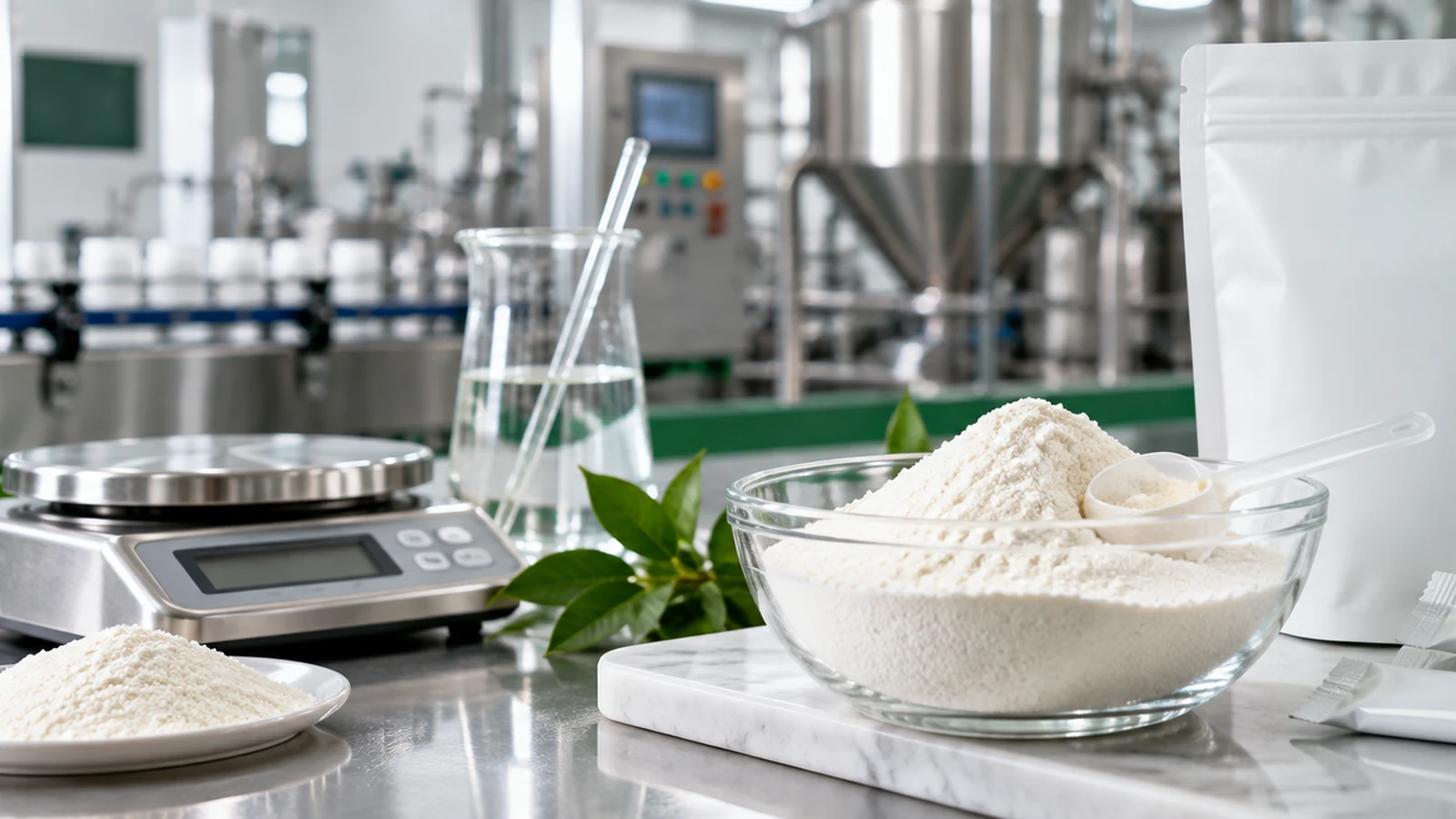
Sampling is one of the most valuable stages in supplement development because it allows problems to be discovered before they become production problems.
The purpose of a sample is not only to “see the product.” It is to make decisions.
Different samples answer different questions
Stock sample
Used to review an existing product or formula.
Development sample
Used to review a new or adjusted formula.
Packaging sample
Used to review bottle, pouch, carton or label presentation.
Pre-production confirmation
Used when the final specification needs one last review before the production run.
Not every project requires every sample type.
What can a sample validate?
Depending on dosage form, a sample can help review:
- Flavor
- Aroma
- Color
- Texture
- Capsule/tablet size
- Gummy chew
- Powder mixability
- Liquid taste
- Serving presentation
- Packaging fit
The buyer should define what needs approval before the sample is sent.
What a sample cannot prove by itself
A sample is not a substitute for every quality or stability requirement.
A visually acceptable sample does not automatically confirm:
- Full shelf life
- Every specification
- Market compliance
- Final packaging performance
- All test results
Those questions may require additional documentation or testing.
Give structured feedback
Feedback such as “I don’t like it” is difficult to act on.
Useful feedback sounds like:
- Reduce sweetness
- Increase lemon flavor
- Capsule is too large
- Powder color should be lighter
- Tea aroma is too weak
- Gummy texture is too firm
- Bottle should be smaller
This makes the next iteration faster.
How many sample rounds?
There is no fixed number.
A private-label stock product may require no formula revision. A custom gummy or flavored powder may need multiple iterations.
The best way to reduce rounds is to provide a clear target before the first sample.
Free sample support
Qualified B2B projects can discuss free sample support with SILKROAD LANTING. Product type, development scope, shipping and eligibility are confirmed before dispatch.
This helps serious buyers evaluate the product direction before committing to larger production.
Sample and cost should be connected
A sample decision can affect cost.
For example:
- More flavor may change formula cost
- Smaller capsule may increase units per serving
- Different packaging may change MOQ
- A larger serving may require a larger pouch
For this reason, final quotation should reflect the approved product direction.
What to send before requesting a sample
Send:
- Product/reference
- Target market
- Formula direction
- Dosage form
- Packaging idea
- Quantity
- Target price if known
The development team can then recommend the right sample type.
After sample approval
The next steps are usually:
Formula/specification confirmation → packaging → testing/documentation → cost confirmation → production.
See our R&D and sampling workflow.
To request a sample, contact Nina@siroad.net or WhatsApp.
Start from a real product, then customize if needed.
Our published catalog contains current products for sampling and private-label discussions. Open a product to review the dosage form, health direction and B2B options.
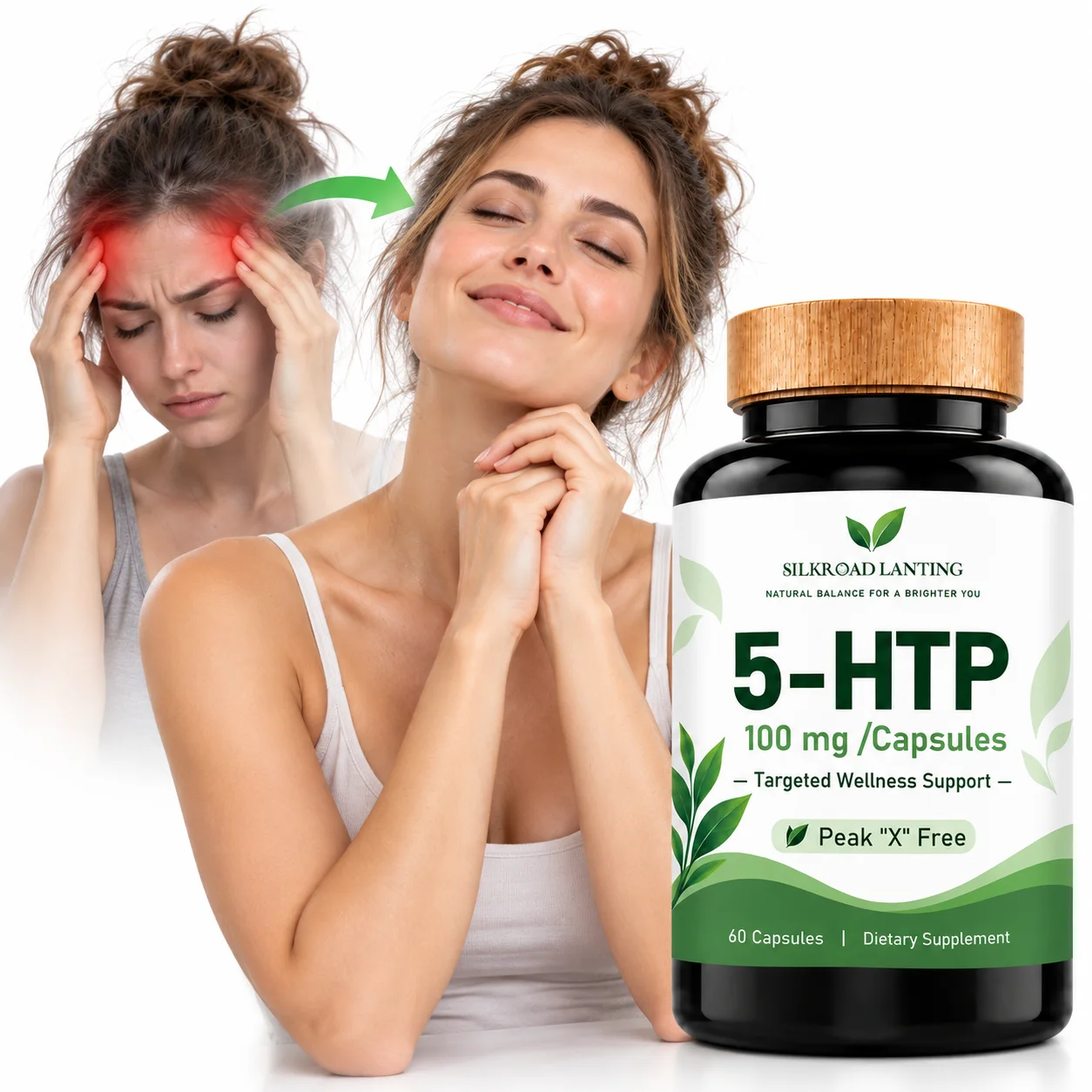
5-Hydroxytryptophan Capsules
5-HTP (5-Hydroxytryptophan) Capsules feature a plant-based formula labeled with 100 mg of 5-HTP per capsule, supporting everyday mood balance, relaxation, and sleep wellness.
View product →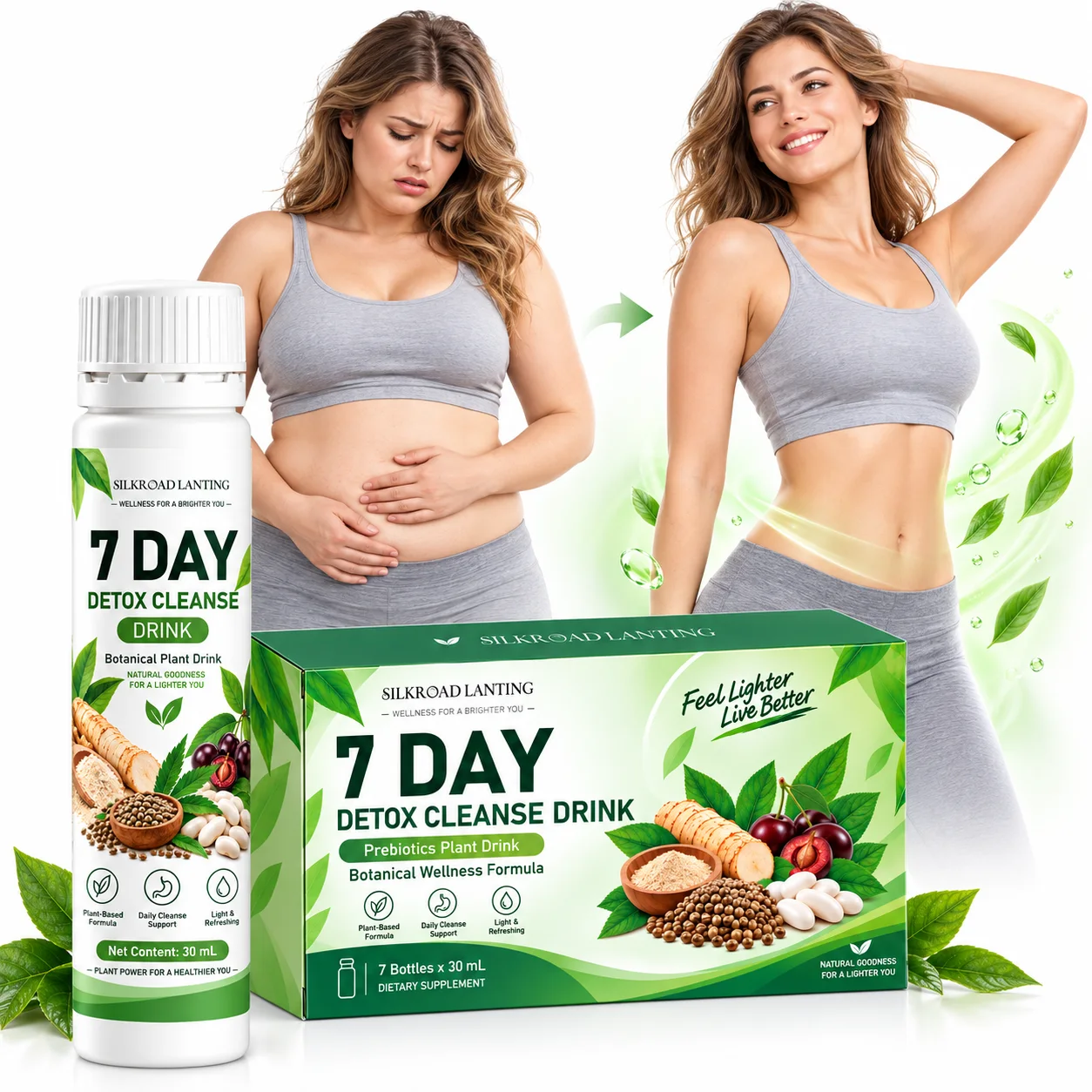
7-Day Botanical Wellness Drink
A multi-day botanical beverage concept for custom wellness projects.
View product →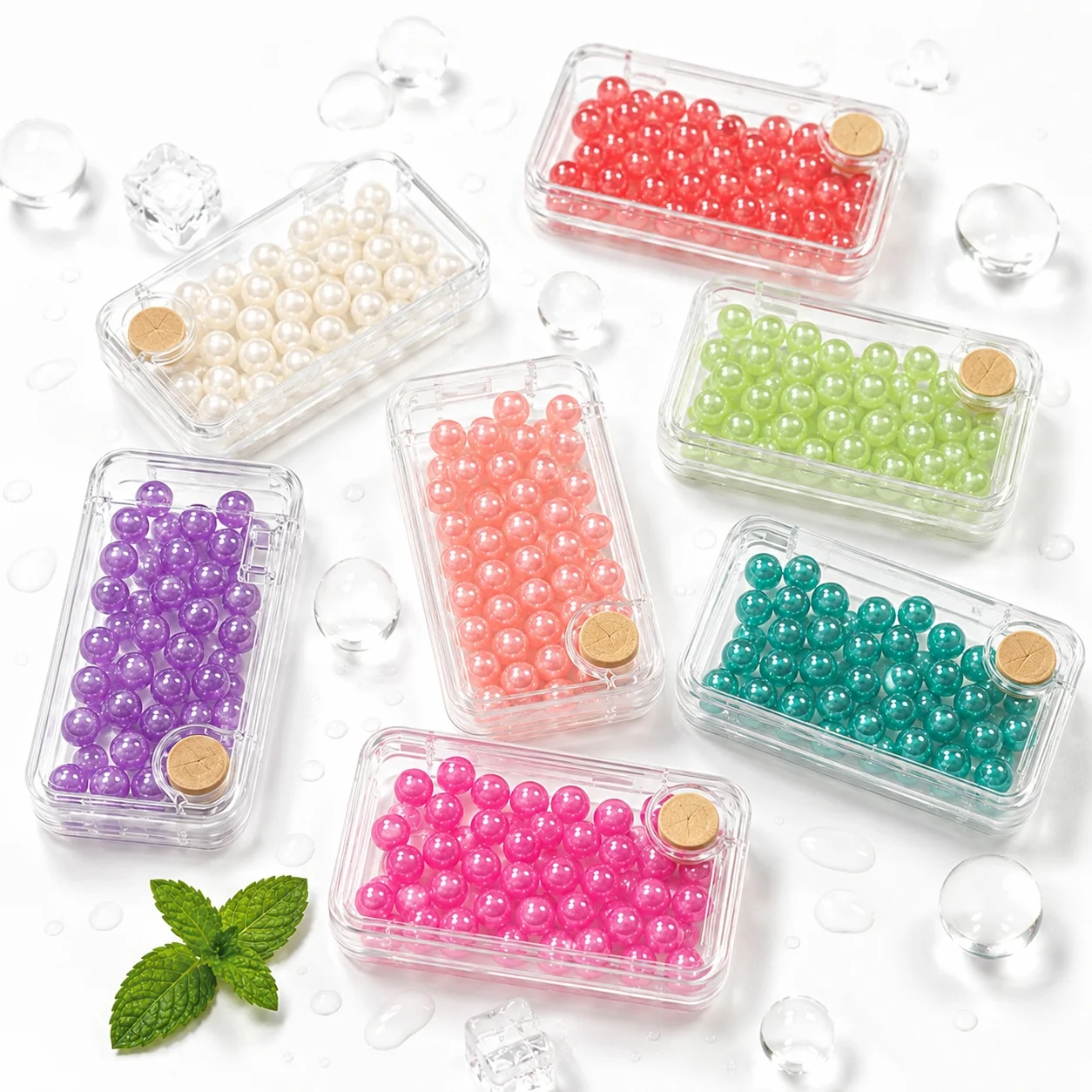
7-Flavor Burst Gum Collection
Enjoy a refreshing chew with a flavorful burst in every piece. With seven colorful varieties to explore, this portable gum collection adds fun to everyday moments.
View product →Request a sample and calculate your product cost.
Send the product name or reference, target market, estimated quantity and packaging idea. We can discuss a stock formula, formula adjustment or custom R&D route, then confirm sampling and manufacturing cost.