
Whey protein remains one of the best-known ingredients in sports nutrition. For supplement brands, distributors, importers and cross-border sellers, developing a whey protein product involves much more than choosing a protein ingredient. Buyers also need to define the target protein content, flavor, serving size, packaging, quality requirements and destination market.
Choosing a suitable whey protein manufacturer is therefore a product-development decision as well as a sourcing decision.
1. Understand the main whey protein ingredients
Whey is a milk-derived protein ingredient. Different processing routes create ingredients with different protein concentrations and functional properties.
Whey Protein Concentrate (WPC)
Whey protein concentrate is commonly used in mainstream protein powders. Different grades are available; WPC80 is a familiar commercial specification, but the actual protein content and analytical basis must be checked against the supplier's current specification.
WPC may be considered when a brand wants a conventional whey protein profile and a balance between ingredient cost, taste and formulation requirements.
Whey Protein Isolate (WPI)
Whey protein isolate receives additional processing to increase protein concentration and reduce some non-protein components, including lactose and fat in many specifications.
WPI is often selected for products targeting a higher protein percentage. Buyers should not assume every WPI ingredient is completely lactose-free; request the actual lactose specification.
Hydrolyzed Whey Protein
Hydrolyzed whey protein is produced through enzymatic hydrolysis, which breaks some proteins into smaller peptides. Its taste and peptide profile depend on the ingredient and process. Some hydrolysates can have a bitter note and may require more careful flavor development.
2. Define the product before requesting a quotation
A manufacturer can provide a more useful quotation when the buyer supplies a clear product brief. Include:
- Protein source: WPC, WPI, hydrolyzed whey or a blend
- Target protein grams per serving
- Serving size and net weight
- Flavor direction
- Sweetener preference
- Packaging type: tub, pouch or sachet
- Target country and sales channel
- Estimated first order quantity
The target protein amount per serving is not the same as the protein percentage of the raw material. The finished formula must be calculated and verified separately.
3. Consider taste, texture and mixability
Protein ingredients have different natural flavor and texture characteristics. A finished formula may need a suitable flavor system, sweetener, cocoa or other ingredients.
During sample review, assess:
- Aroma and overall taste
- Sweetness and aftertaste
- Powder dispersibility
- Foam formation
- Mouthfeel and thickness
- Performance in water or milk, as relevant
Evaluate samples using the preparation instructions intended for the final product.
4. Choose packaging for the sales channel
Plastic tubs are familiar in sports nutrition retail and can accommodate a scoop. Resealable pouches can be lighter and space-efficient. Sachets can support trial packs, travel formats or single servings.
Packaging decisions should cover net weight, material, barrier properties, closure, inner seal, label, scoop and shipping protection.
5. Review quality documentation
Before placing an order, request the documents relevant to the actual ingredient and finished product. These may include raw material specifications, batch COA, allergen information, microbiological results and other risk-based testing documents.
Confirm whether each document refers to the raw ingredient or the finished product. They are not interchangeable.
6. Understand OEM and ODM cooperation
OEM projects generally start from customer-provided specifications or a confirmed formula. ODM projects may involve more supplier support with ingredient selection, formulation, flavor development and packaging planning. The exact scope, formula ownership and responsibilities should be agreed in writing.
7. Questions to ask a whey protein manufacturer
- Which WPC and WPI grades can be sourced for this project?
- What is the ingredient specification and protein test basis?
- What finished-product protein target is technically feasible?
- Can the team develop and evaluate flavor samples?
- What tub, pouch and sachet options are available?
- What are the MOQ, sample fee and estimated lead time?
- Which quality documents can be supplied for the batch?
Discuss your whey protein project
Silkroad Lanting Biotech supports supplement product development, OEM/ODM cooperation and customized packaging discussions for overseas brands and B2B buyers.
Explore our Private Label Whey Protein Powder service or send your product brief through our project inquiry page.
Share your protein source, target protein per serving, flavor, packaging and estimated quantity so the project requirements can be reviewed.
*Final formulas, production arrangements, specifications and claims must be confirmed for the specific project and destination market.*
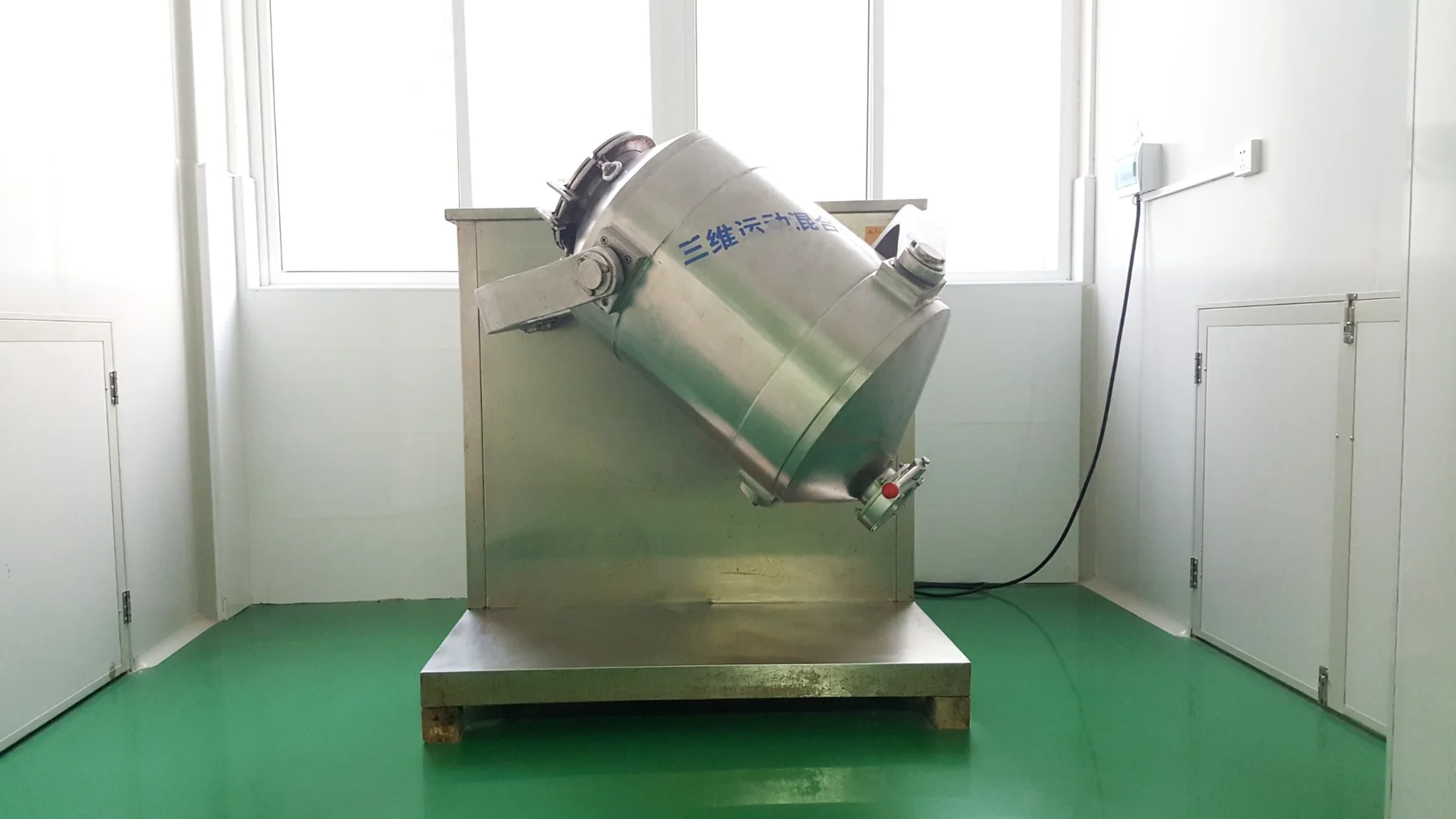
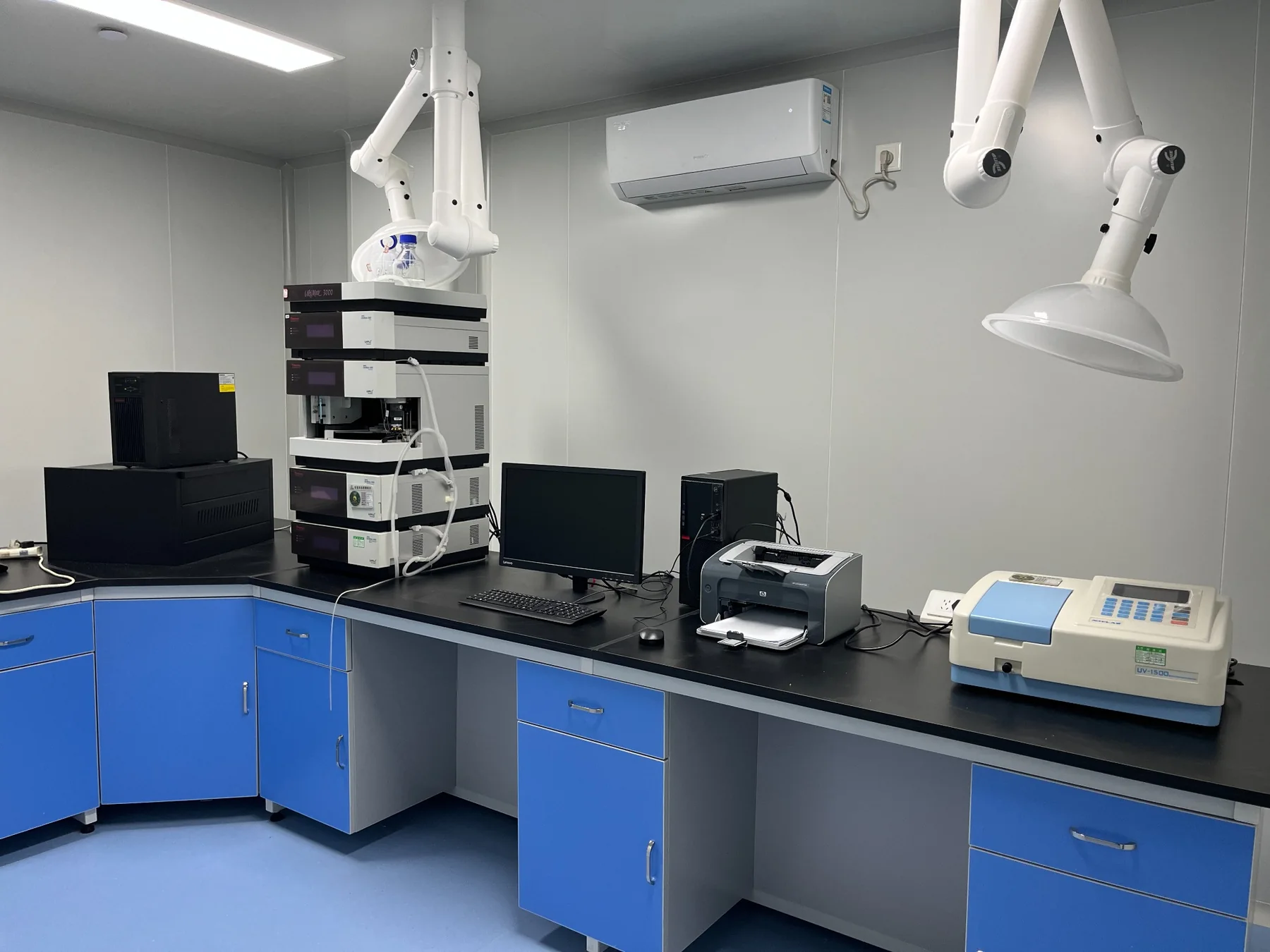
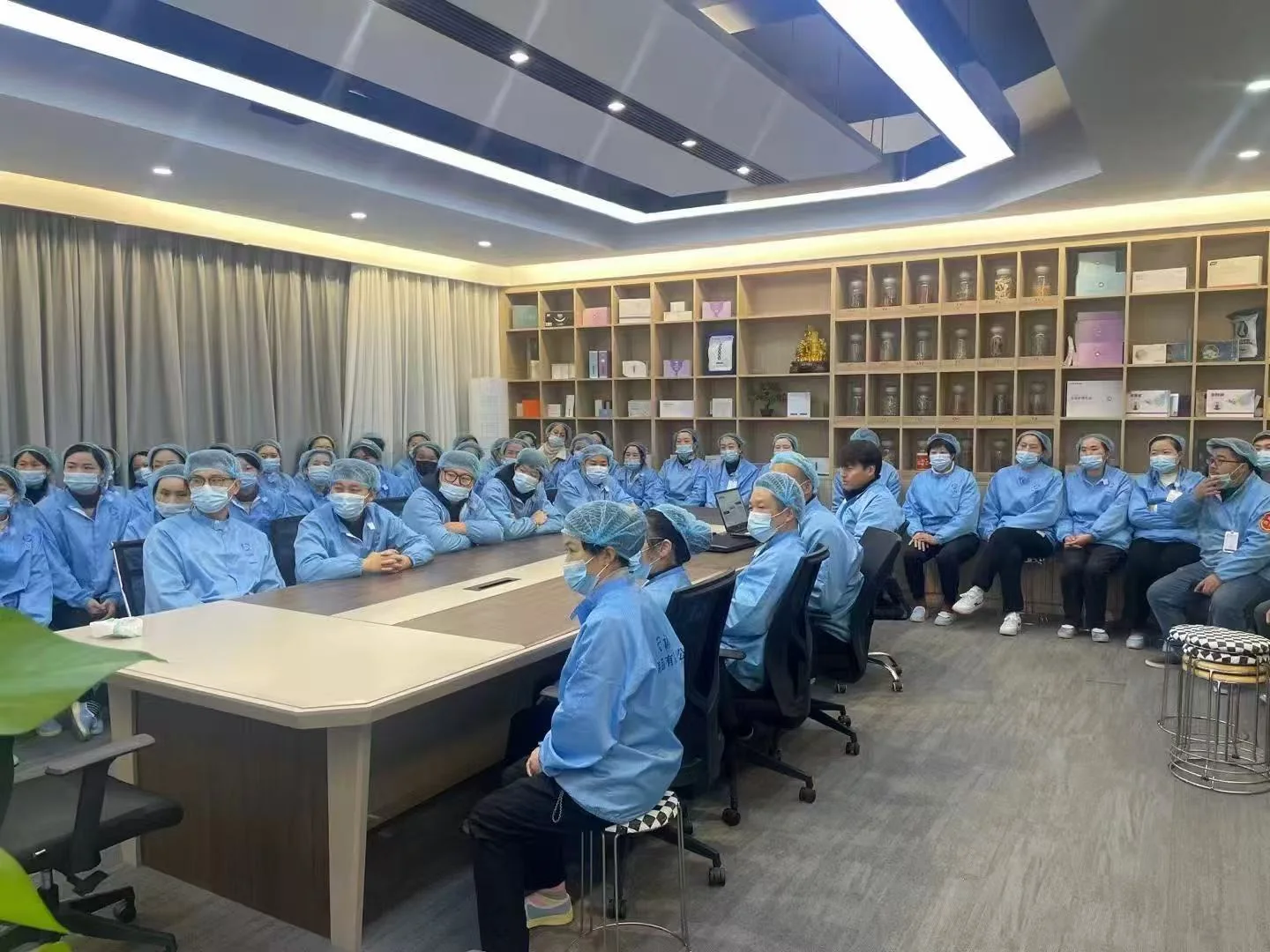
Manufacturing backed by a real production team.
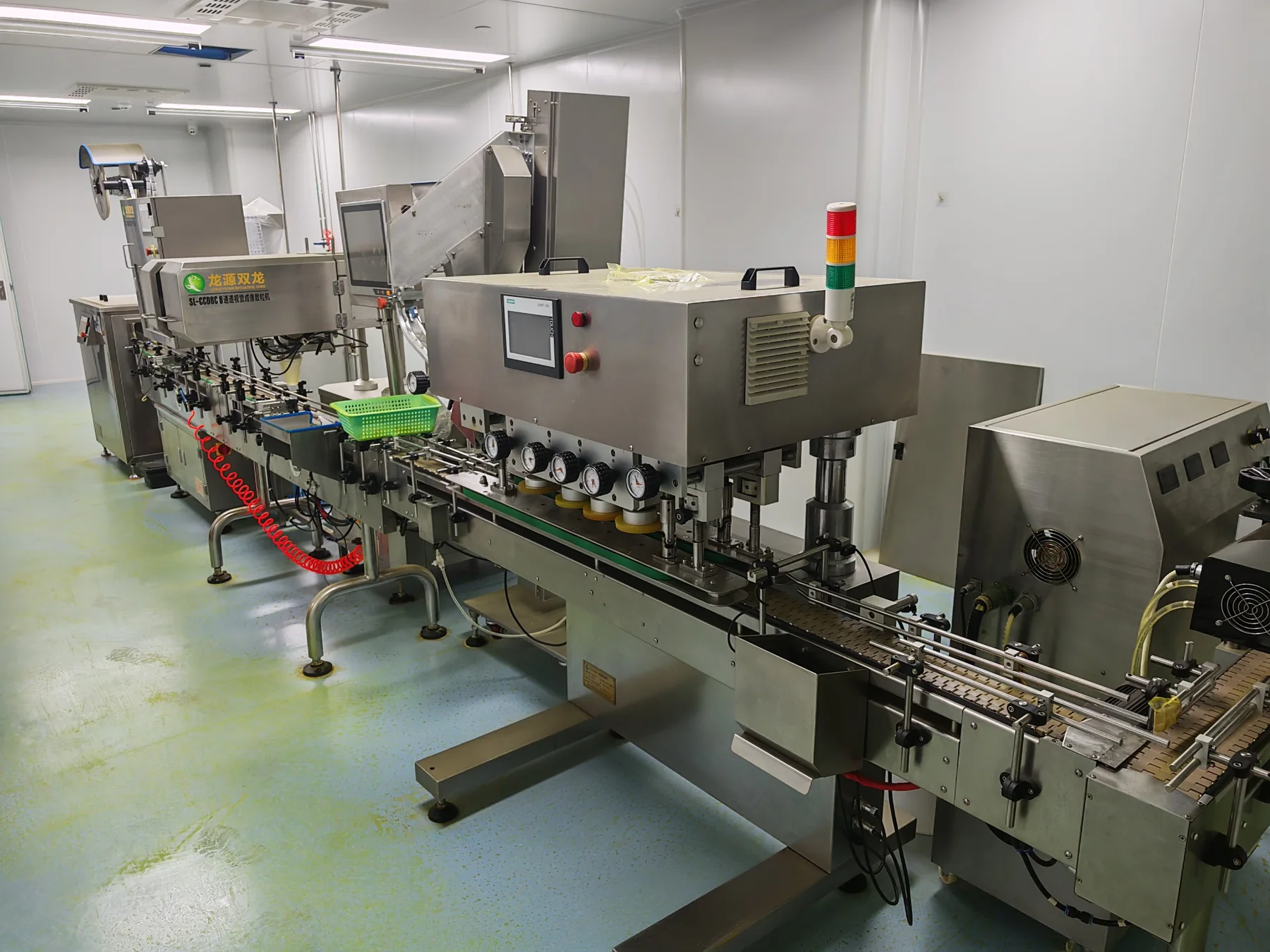
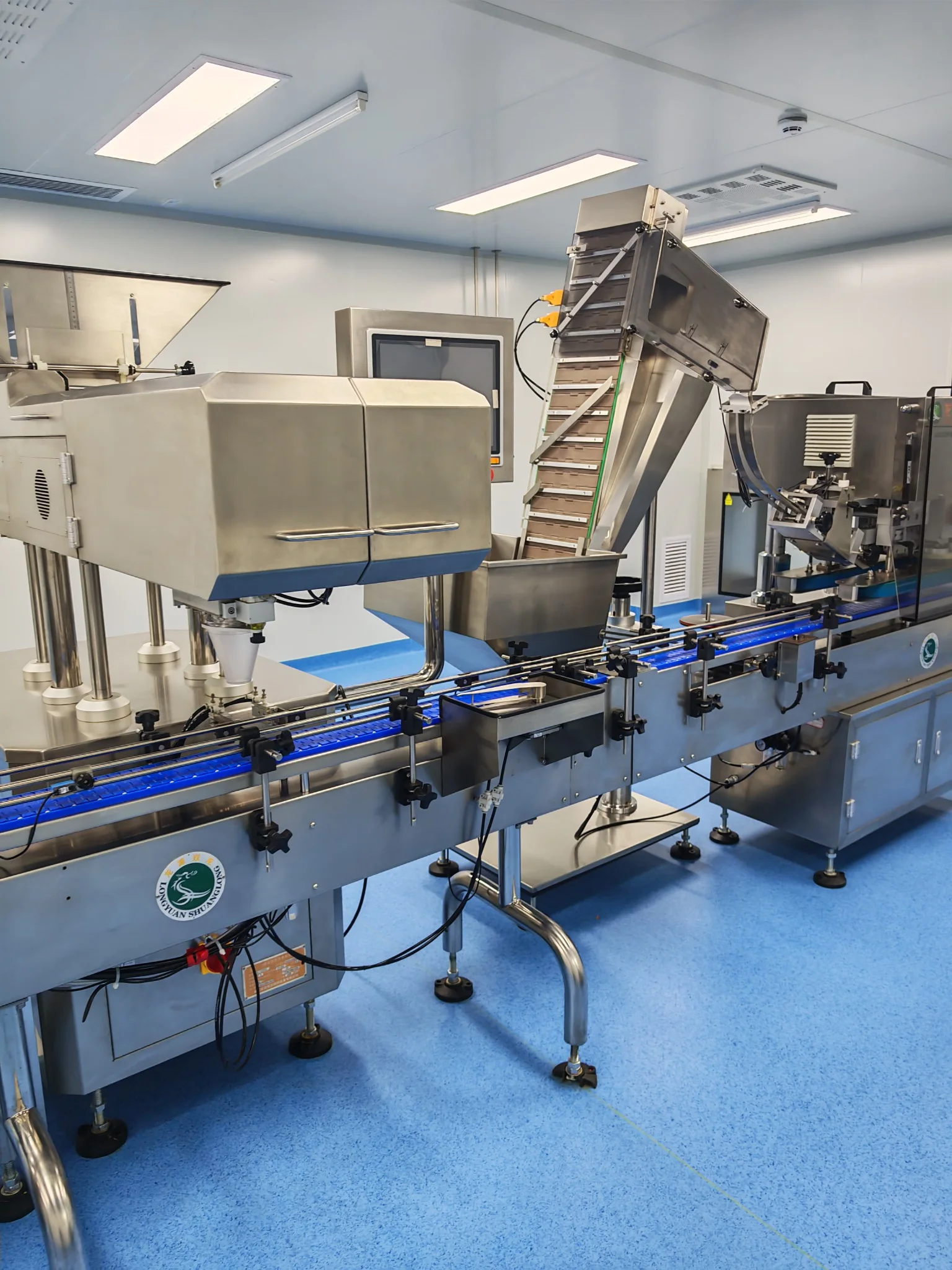
These photos were supplied by SILKROAD LANTING and show our real factory environment. We use real facility evidence so buyers can verify the manufacturing team behind the product-development discussion.
Start from a real product, then customize if needed.
Our published catalog contains current products for sampling and private-label discussions. Open a product to review the dosage form, health direction and B2B options.
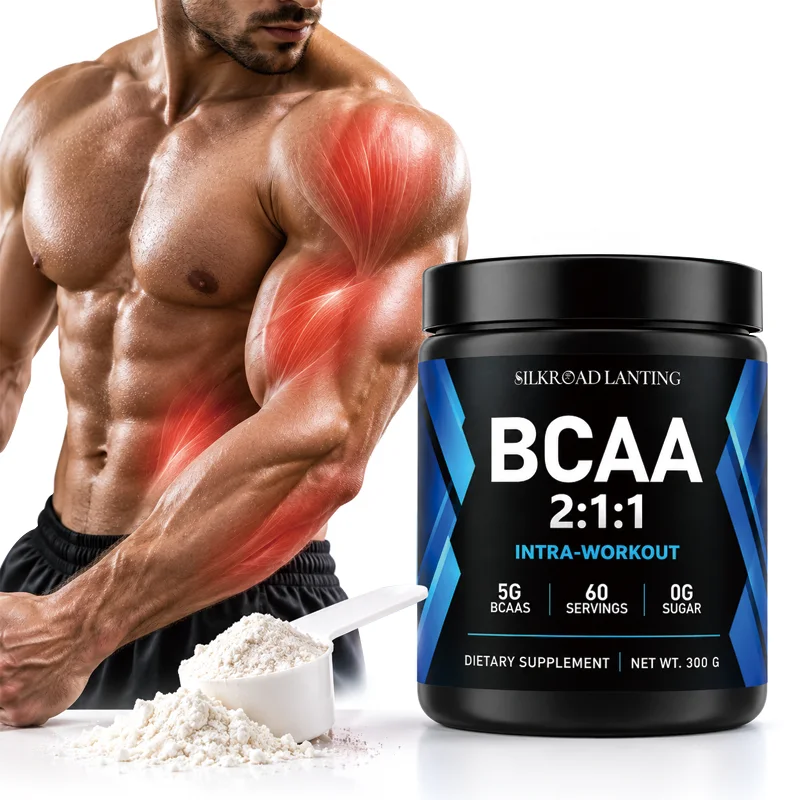
BCAA 2:1:1 Intra-Workout
View product →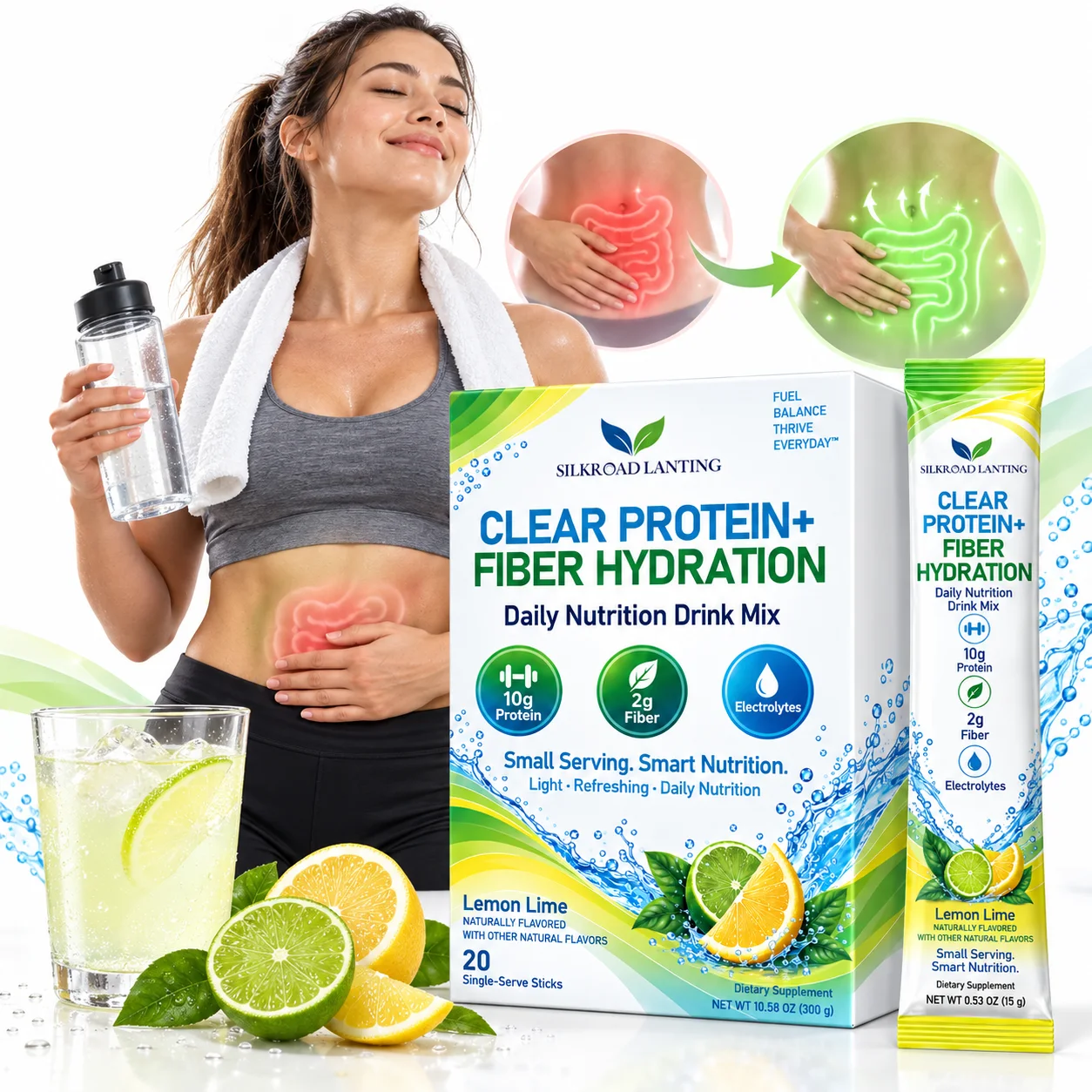
Clear Protein & Fiber Drink Mix
Clear Protein & Fiber Drink Mix features a refreshing citrus flavor and provides a convenient way to add protein and dietary fiber to your daily routine. Ideal for workouts, workdays, travel, and everyday wellness.
View product →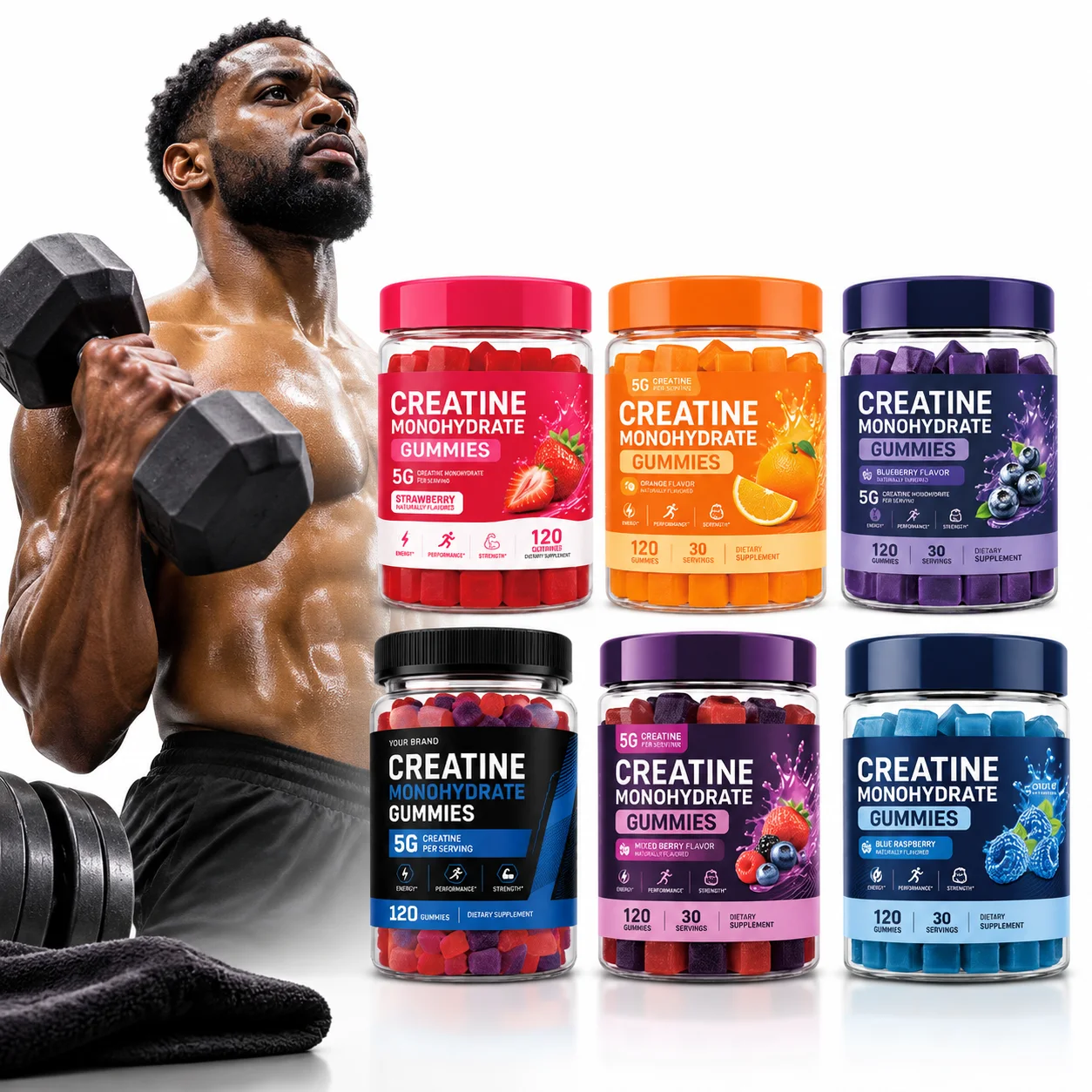
Creatine Gummies
View product →Request a sample and calculate your product cost.
Send the product name or reference, target market, estimated quantity and packaging idea. We can discuss a stock formula, formula adjustment or custom R&D route, then confirm sampling and manufacturing cost.