
Whey protein is widely used in sports nutrition, but the term covers several ingredient types. The three categories buyers most often compare are whey protein concentrate (WPC), whey protein isolate (WPI) and hydrolyzed whey protein.
Understanding the differences helps brands select ingredients that match their nutrition target, sensory requirements and budget.
1. What is whey protein?
Whey is the liquid fraction separated from milk during cheese production. It contains proteins and other naturally occurring milk components. Filtration and additional processing produce whey ingredients with different compositions and functional properties.
2. Whey protein concentrate (WPC)
Whey protein concentrate is made by concentrating whey proteins while retaining varying amounts of lactose, fat and minerals.
WPC is available in different grades. WPC80 is a common commercial grade name, but the exact protein percentage and analytical basis must be confirmed in the supplier's specification.
WPC may be used in mainstream protein powders and sports nutrition blends where its flavor, functionality and cost fit the product brief.
3. Whey protein isolate (WPI)
Whey protein isolate receives additional processing to increase protein concentration and reduce some non-protein components. Many WPI specifications have lower lactose and fat than comparable WPC ingredients.
WPI is often selected for products with a higher protein-per-serving target. However, buyers should review the actual lactose specification rather than assuming that all WPI is lactose-free.
4. Hydrolyzed whey protein
Hydrolyzed whey is treated with enzymes to break some proteins into smaller peptides. The degree of hydrolysis and peptide profile depend on the ingredient and manufacturing process.
Hydrolyzed whey may have a different taste profile and can be bitter. It may require additional sensory evaluation and flavor balancing.
5. Compare the ingredient categories
WPC
- Processing: concentration of whey proteins
- Protein level: grade-dependent
- Lactose and fat: generally more than many WPI grades
- Application: mainstream protein powders and blends
- Key check: exact grade specification and cost
WPI
- Processing: additional purification and concentration
- Protein level: generally higher than many WPC grades
- Lactose and fat: generally lower, but verify the actual values
- Application: higher-protein-concentration concepts
- Key check: protein, lactose and mineral specifications
Hydrolyzed whey
- Processing: enzymatic hydrolysis
- Protein level: depends on starting material and grade
- Taste: may have bitterness
- Application: specialized formulations
- Key check: degree of hydrolysis, peptide profile and sensory properties
6. How to select an ingredient
Consider these factors before choosing:
- Finished-product protein target: calculate the target per serving and per 100 g.
- Taste and texture: evaluate the ingredient in the complete formula.
- Lactose requirement: obtain the actual lactose result and do not rely only on ingredient naming.
- Mixability: test dispersibility, foam and mouthfeel.
- Cost: compare the full formula cost, not just the price per kilogram of protein ingredient.
- Documentation: review specifications, COA, allergen information and origin documents.
7. Why sampling matters
A raw material specification cannot fully predict the sensory performance of a finished product. Flavor ingredients, sweeteners, cocoa, emulsifiers and other components influence the result.
A practical sample review should use the intended serving size and preparation method. Record taste, aroma, sweetness, aftertaste, texture and mixing performance.
Develop a whey protein formula
Silkroad Lanting Biotech welcomes B2B discussions about whey protein ingredient selection, custom formulation, flavor sampling and packaging.
See our Private Label Whey Protein Powder service or send your product requirements.
*Ingredient names and grades do not replace the supplier's current specification or finished-product testing.*
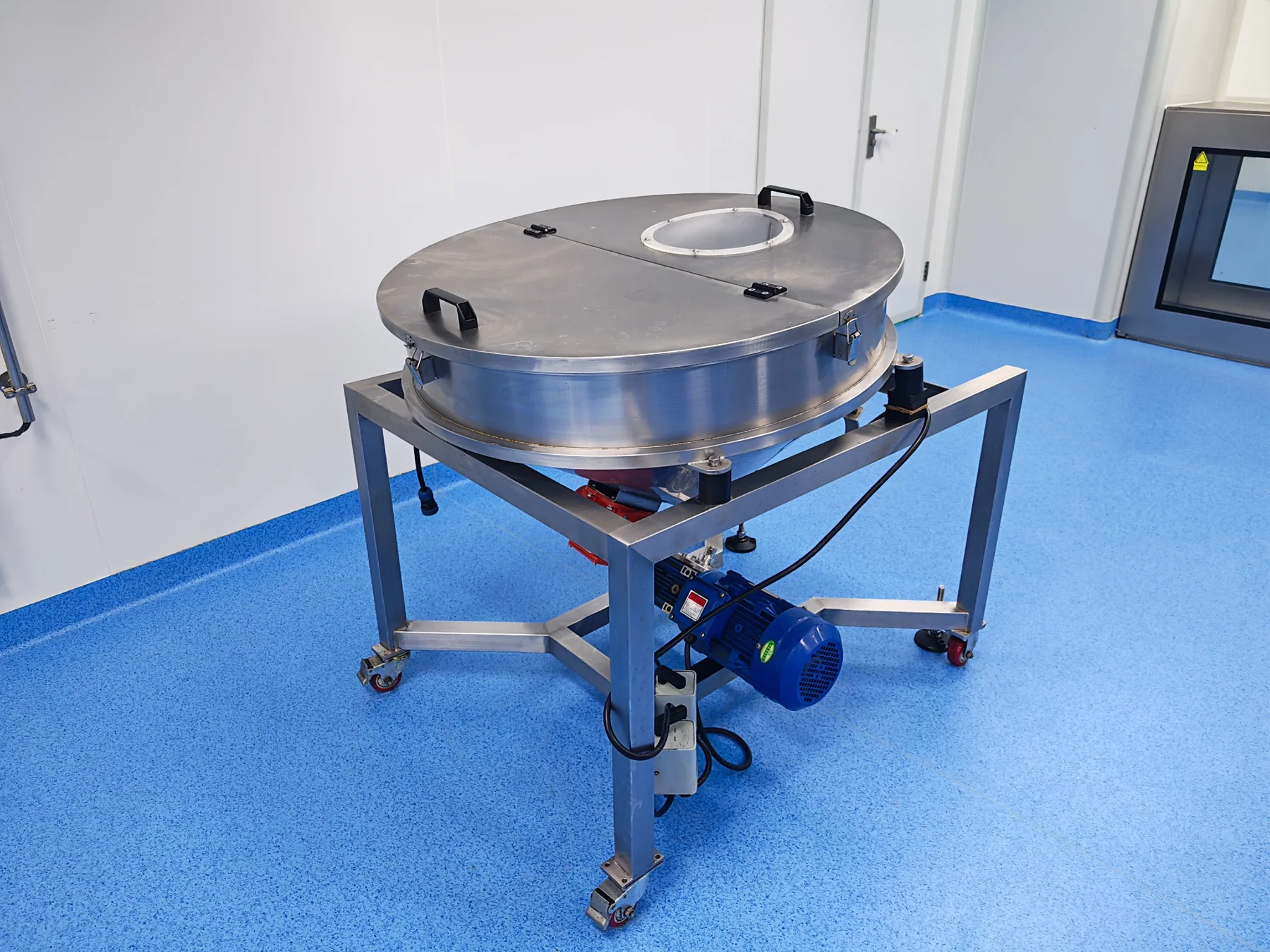
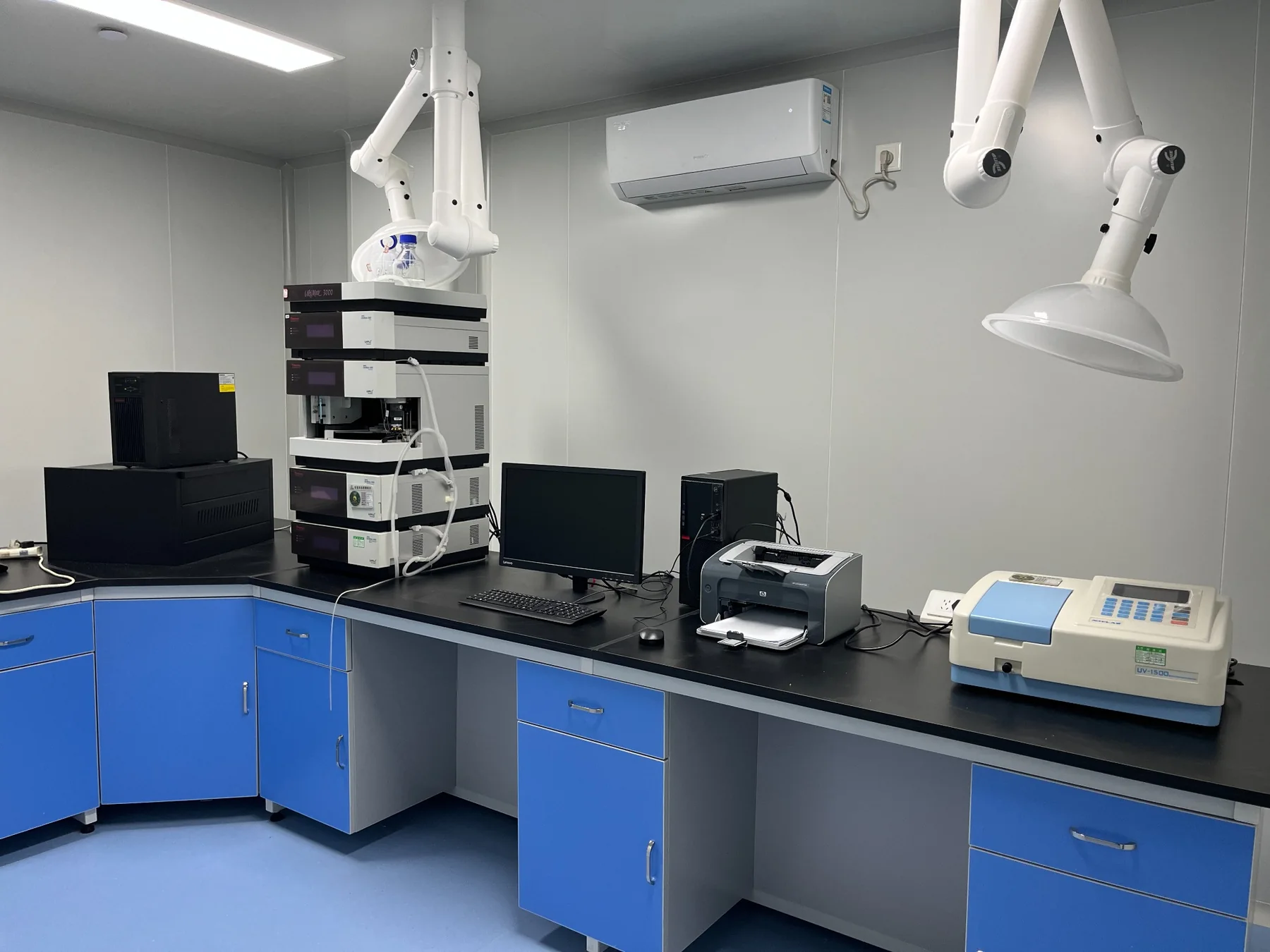
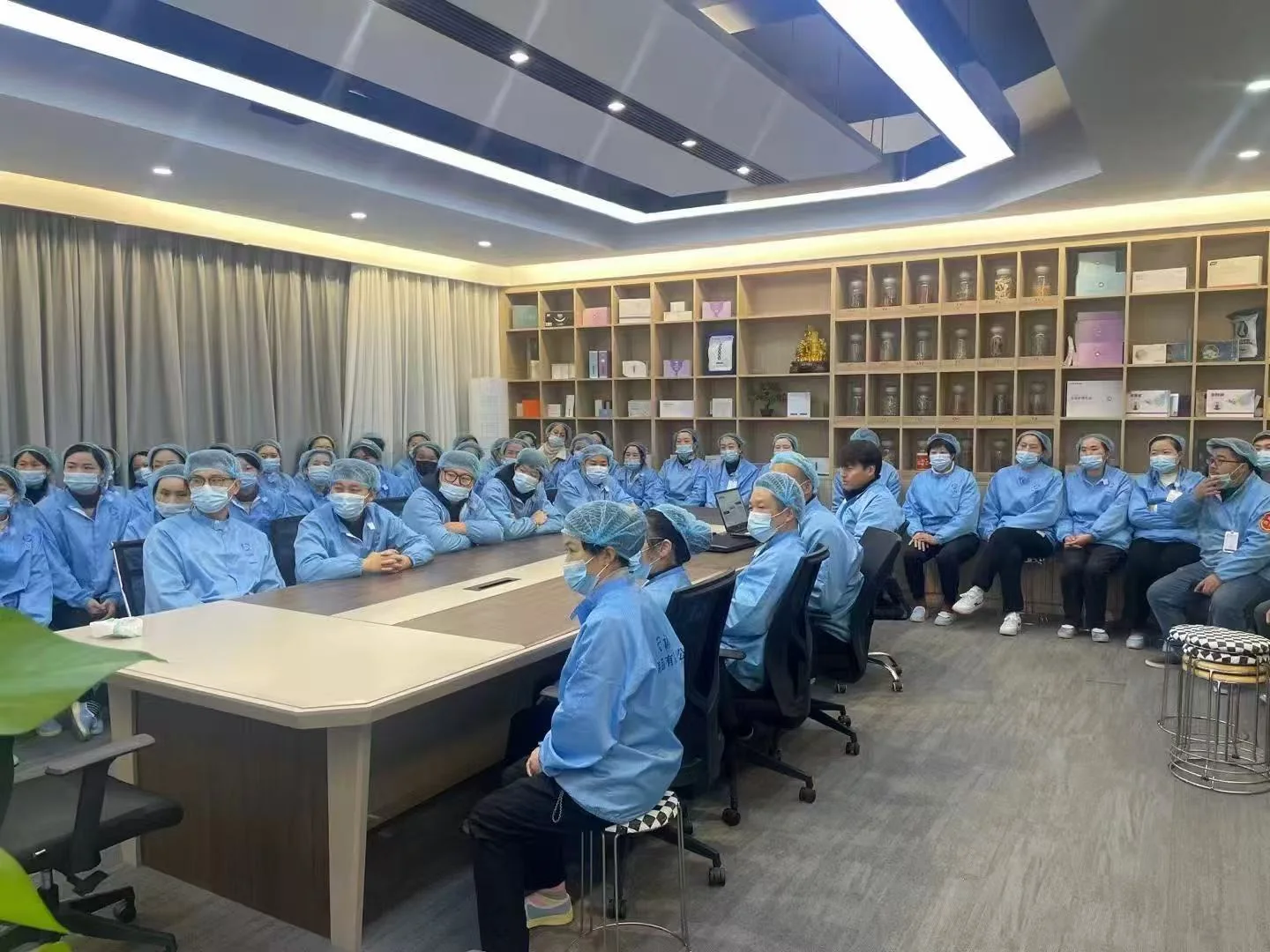
Manufacturing backed by a real production team.
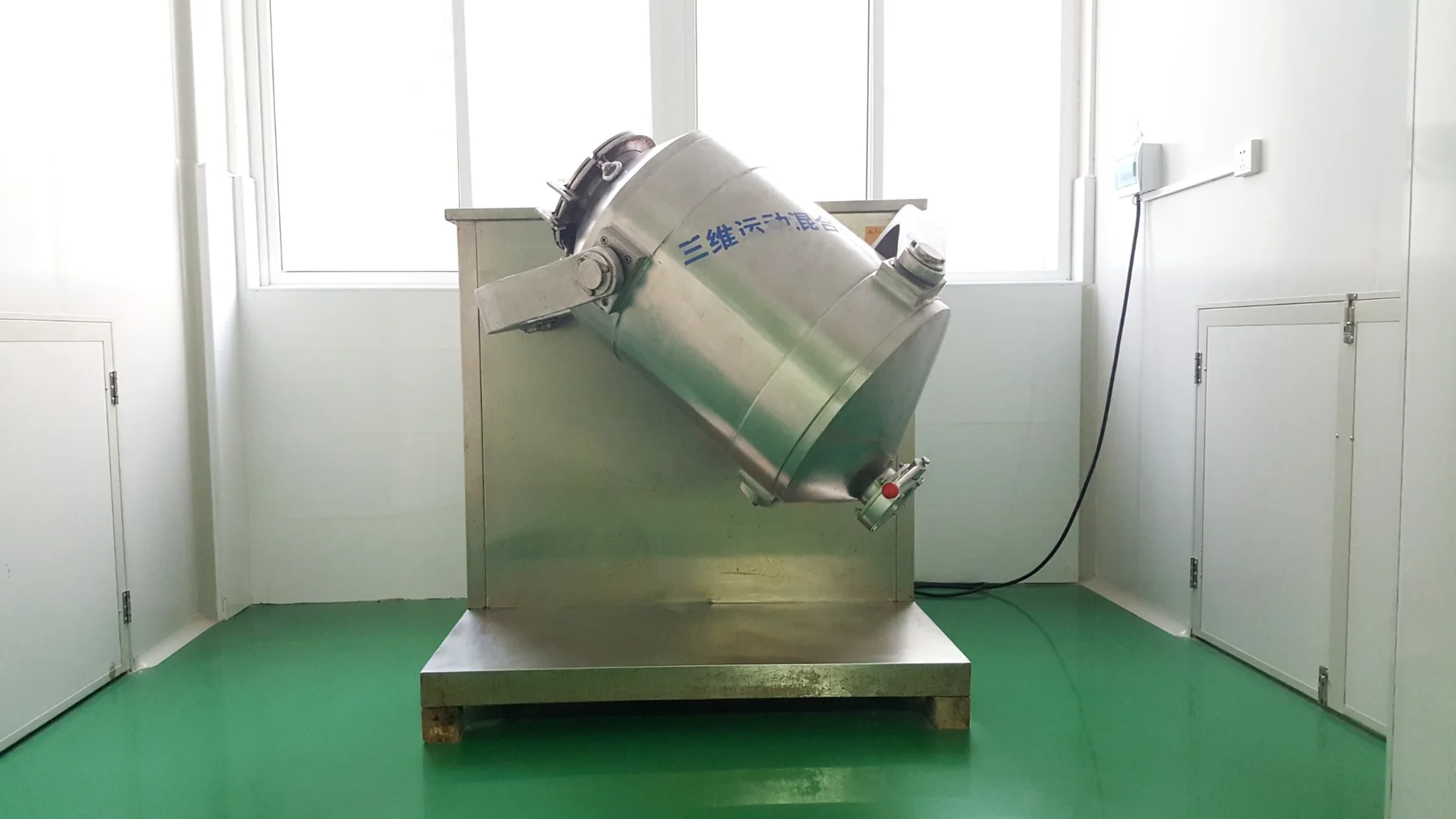
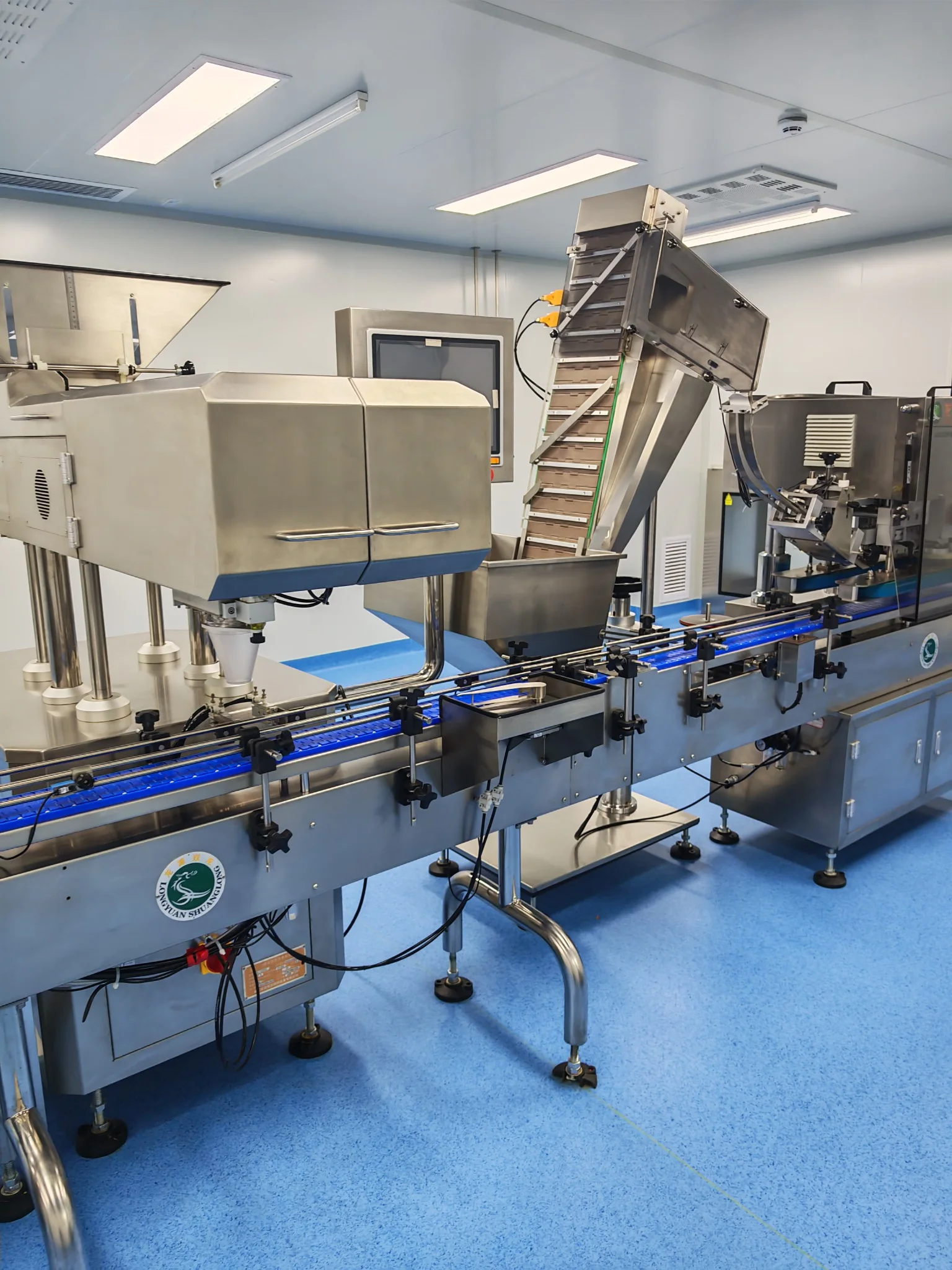
These photos were supplied by SILKROAD LANTING and show our real factory environment. We use real facility evidence so buyers can verify the manufacturing team behind the product-development discussion.
Start from a real product, then customize if needed.
Our published catalog contains current products for sampling and private-label discussions. Open a product to review the dosage form, health direction and B2B options.
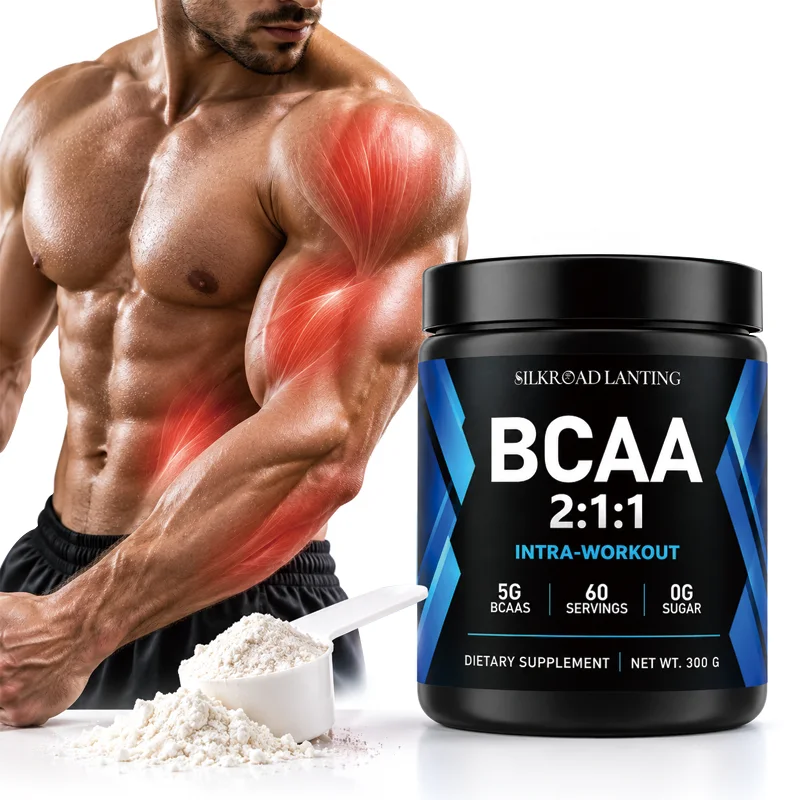
BCAA 2:1:1 Intra-Workout
View product →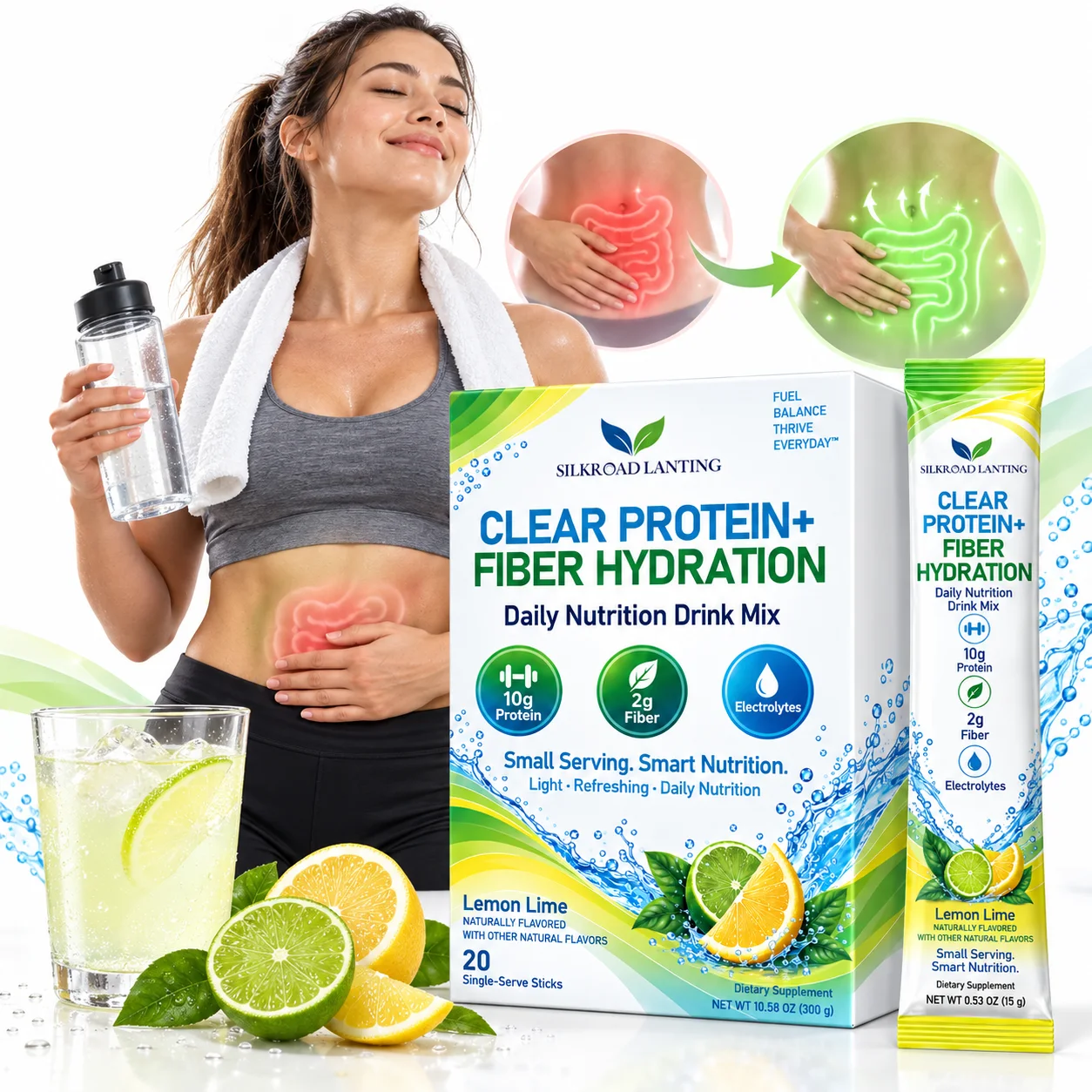
Clear Protein & Fiber Drink Mix
Clear Protein & Fiber Drink Mix features a refreshing citrus flavor and provides a convenient way to add protein and dietary fiber to your daily routine. Ideal for workouts, workdays, travel, and everyday wellness.
View product →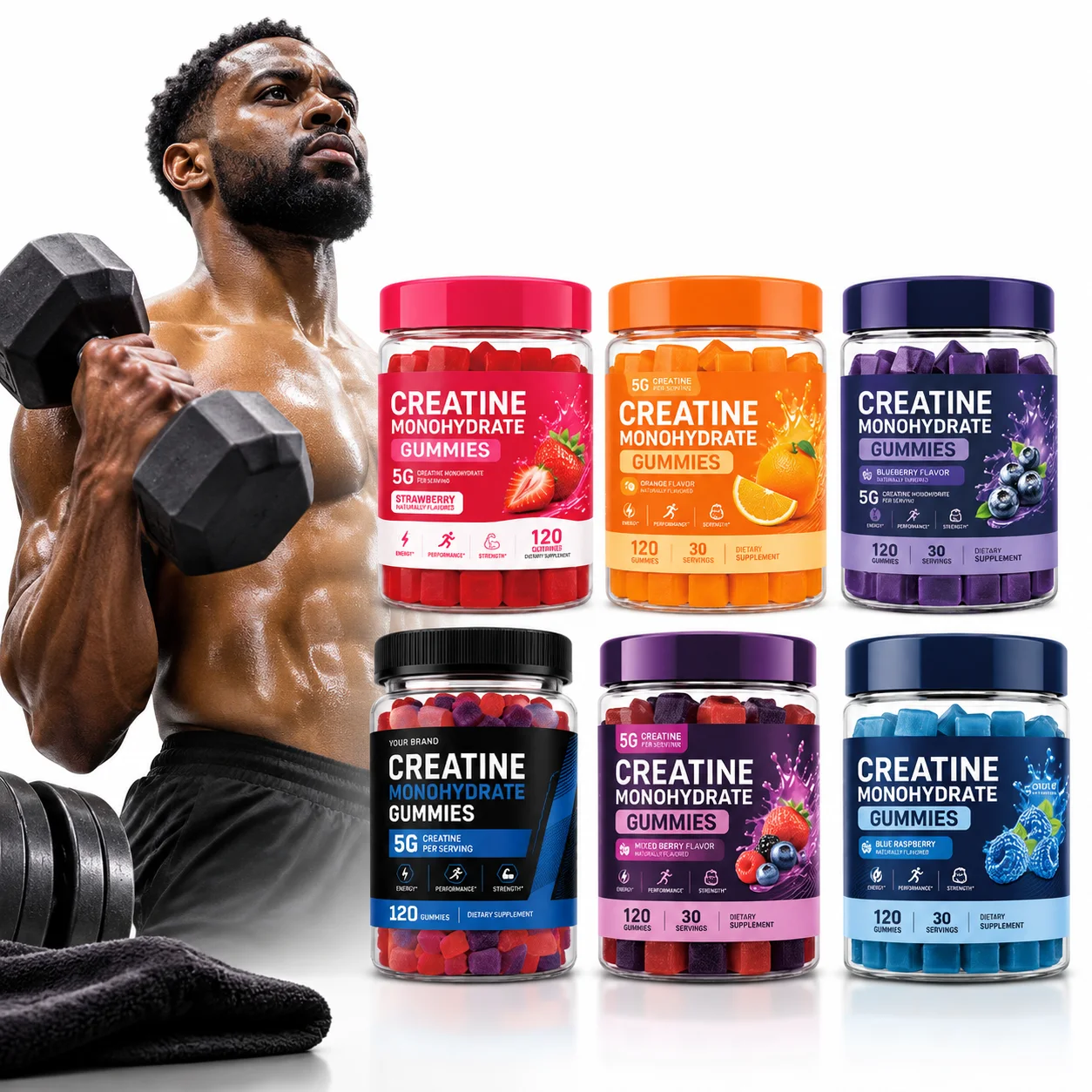
Creatine Gummies
View product →Request a sample and calculate your product cost.
Send the product name or reference, target market, estimated quantity and packaging idea. We can discuss a stock formula, formula adjustment or custom R&D route, then confirm sampling and manufacturing cost.